
After Dark in Uganda: The Magic of Night Safaris and How to Photograph the Wild in Low Light
When the sun drops below the horizon in Uganda, the landscape doesn’t go quiet, it simply changes character entirely. The heat of the day gives way to cooler air, the sounds of insects rise, and the savannah begins to feel unfamiliar in the best possible way. A night safari here is not just an extension of a daytime game drive; it is a completely different window into the behaviour of wildlife that is rarely seen in daylight.
Why Go on a Night Safari?
Night safaris open up an entirely different ecological world. Many species in Uganda are crepuscular (mainly active at dusk and dawn) or nocturnal (most active after dark). This is when predators begin to move with purpose and stealth, and when prey species adjust their behaviour to avoid detection.
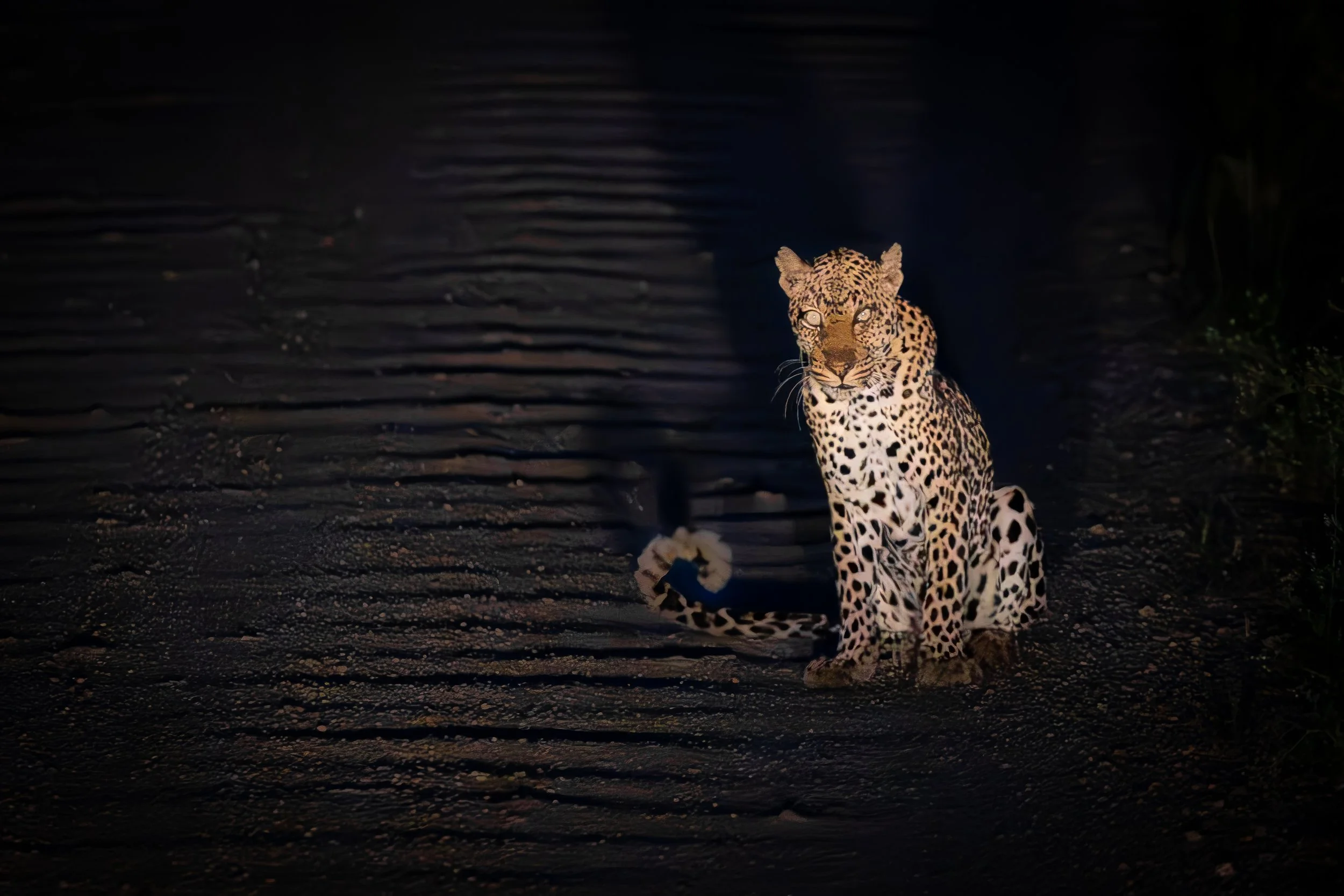
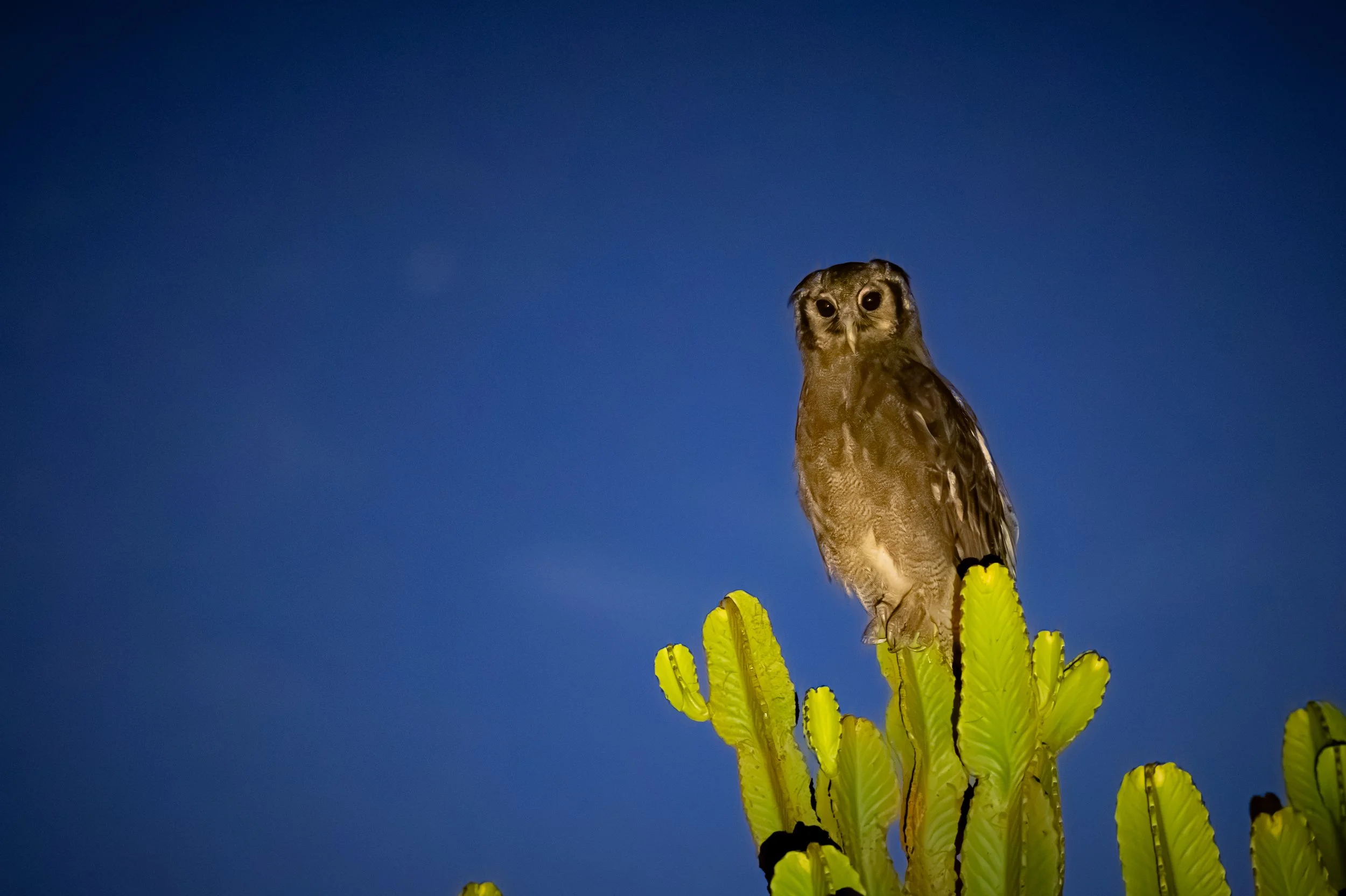
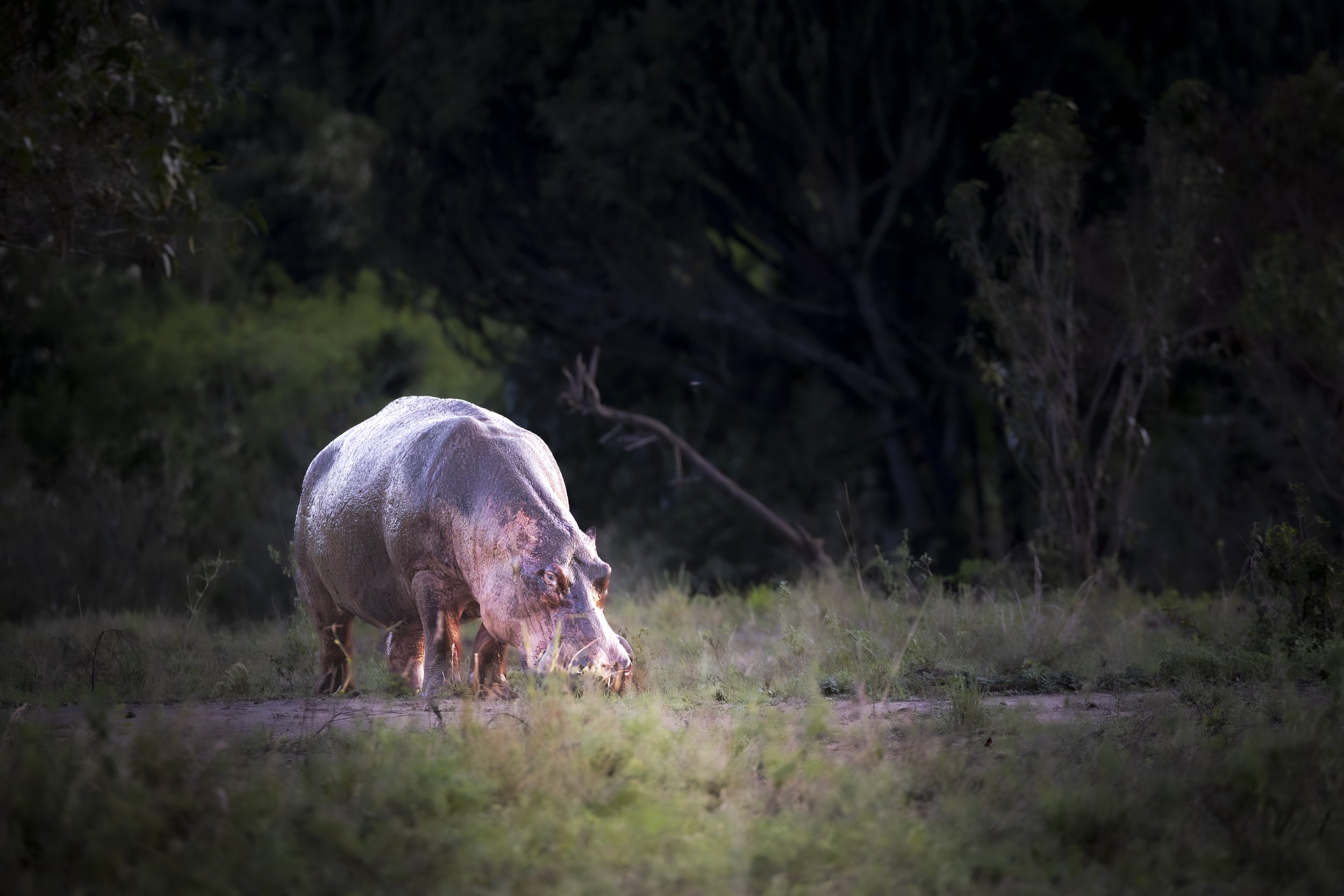
With a spotlight sweeping across the grasslands or forest edge, you might encounter creatures that are almost impossible to see during the day. Leopards emerging from cover to hunt, owls perched obvious in trees, and hippos grazing away from water are all part of the experience. All sorts of species, big and small, become more active during the cool temperatures of the evening,
The advantage of a night safari is not just what you see, but how you see it. Behavioural moments are often more natural and less influenced by vehicles or human presence, offering a raw and unfiltered glimpse into the rhythm of the wild.
What You Might Encounter
Uganda’s protected areas offer a rich diversity of nocturnal wildlife. In savannah environments like Queen Elizabeth National Park or Murchison Falls, spotlighting can reveal predators on the move, grazing herbivores, and the glowing eyes of animals reflecting back through the dark.
In forested areas, the experience becomes more subtle. The sounds of rustling leaves, distant calls, and sudden movements in the canopy create an atmosphere of anticipation. Small mammals, nocturnal primates, and even night birds may appear briefly and disappear just as quickly.
The unpredictability is part of what makes night safaris so compelling. No two drives are ever the same.
Photography in the Dark: Working with Limitations
Night photography on safari is challenging, and it is important to approach it with realistic expectations. Light is limited, subjects are often moving, and conditions are rarely ideal. But with the right approach, it is still possible to capture compelling images.
A few useful tools and settings include:
A camera with strong high-ISO performance - typically between 1600–12800 depending on conditions
A fast lens (ideally f/2.8 or wider) - wide apertures let in as much light as possible
Shutter speeds balanced between freezing motion and managing blur
Focusing can also be difficult in low light. Using continuous autofocus and focusing on high-contrast areas (such as eyes or reflective surfaces) can help improve success rates.
That said, technical perfection is not always the goal.
Knowing When to Put the Camera Down
One of the most important lessons in night photography is understanding when not to shoot. There are moments when the light is too low, the action too fast, or the encounter too rare to focus on settings and screens.
Sometimes the best decision is to lower the camera, stop thinking about exposure, and simply experience what is unfolding. The sound of a leopard moving through grass or the sudden appearance of glowing eyes in a spotlight is often more powerful when it is not mediated through a viewfinder.
Night safaris are as much about patience as they are about technique. The most rewarding experiences often come when you allow the night to unfold without expectation, being ready, but not rigid. Photography becomes a way to complement the experience rather than define it.
Explore With wildsight expeditions
Join our Ultimate Uganda Safari and experience the country's incredible wildlife from dawn until well after sunset. By exploring at different times of day (including early morning game drives, daytime wildlife viewing, and evening safaris) we maximize every opportunity for memorable encounters, giving you the best possible chance to witness Uganda's rich diversity of animals and behaviours in some of Africa's most spectacular landscapes.