
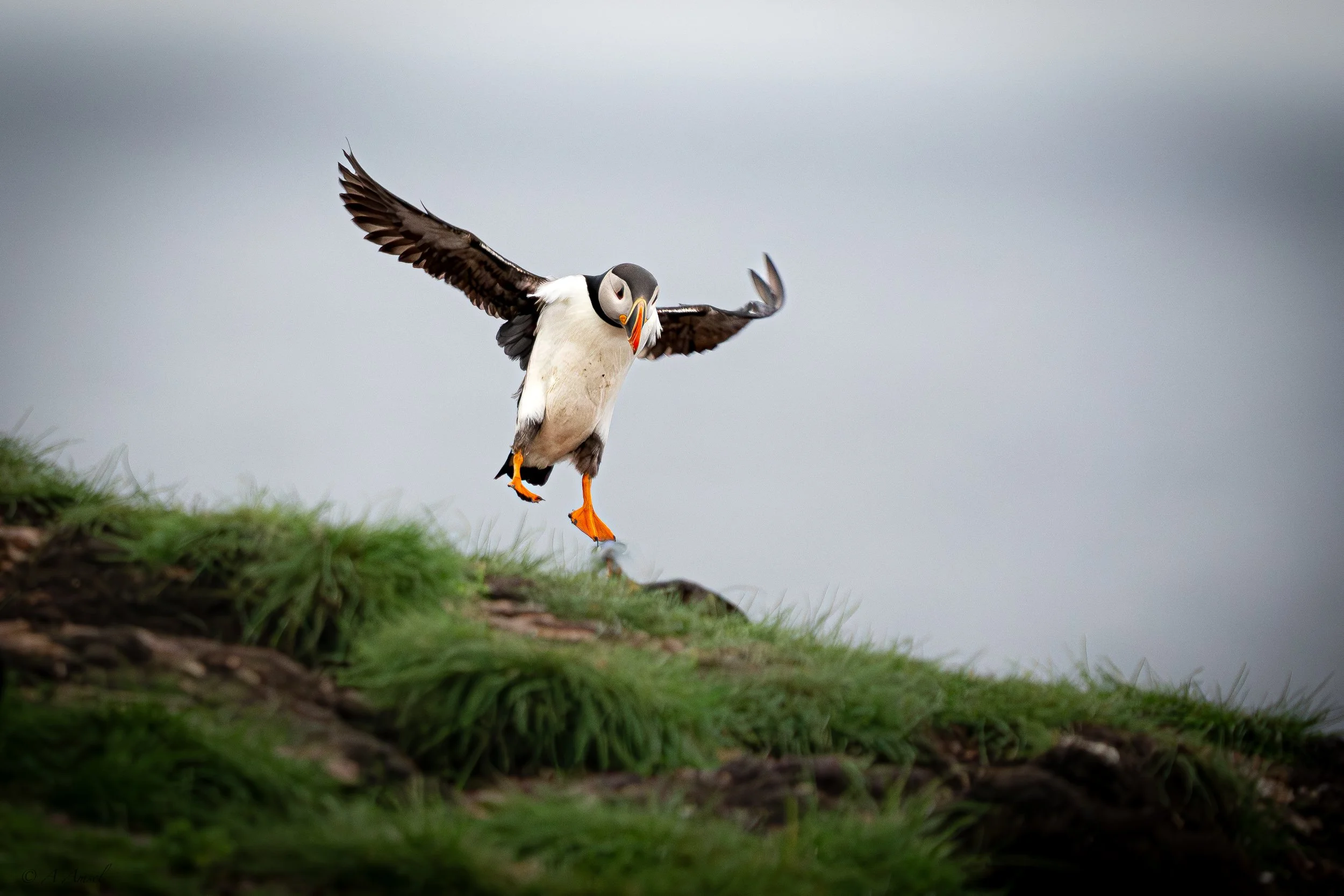
How to Photograph Birds in Flight: Five Tips for Sharper, More Dynamic Images
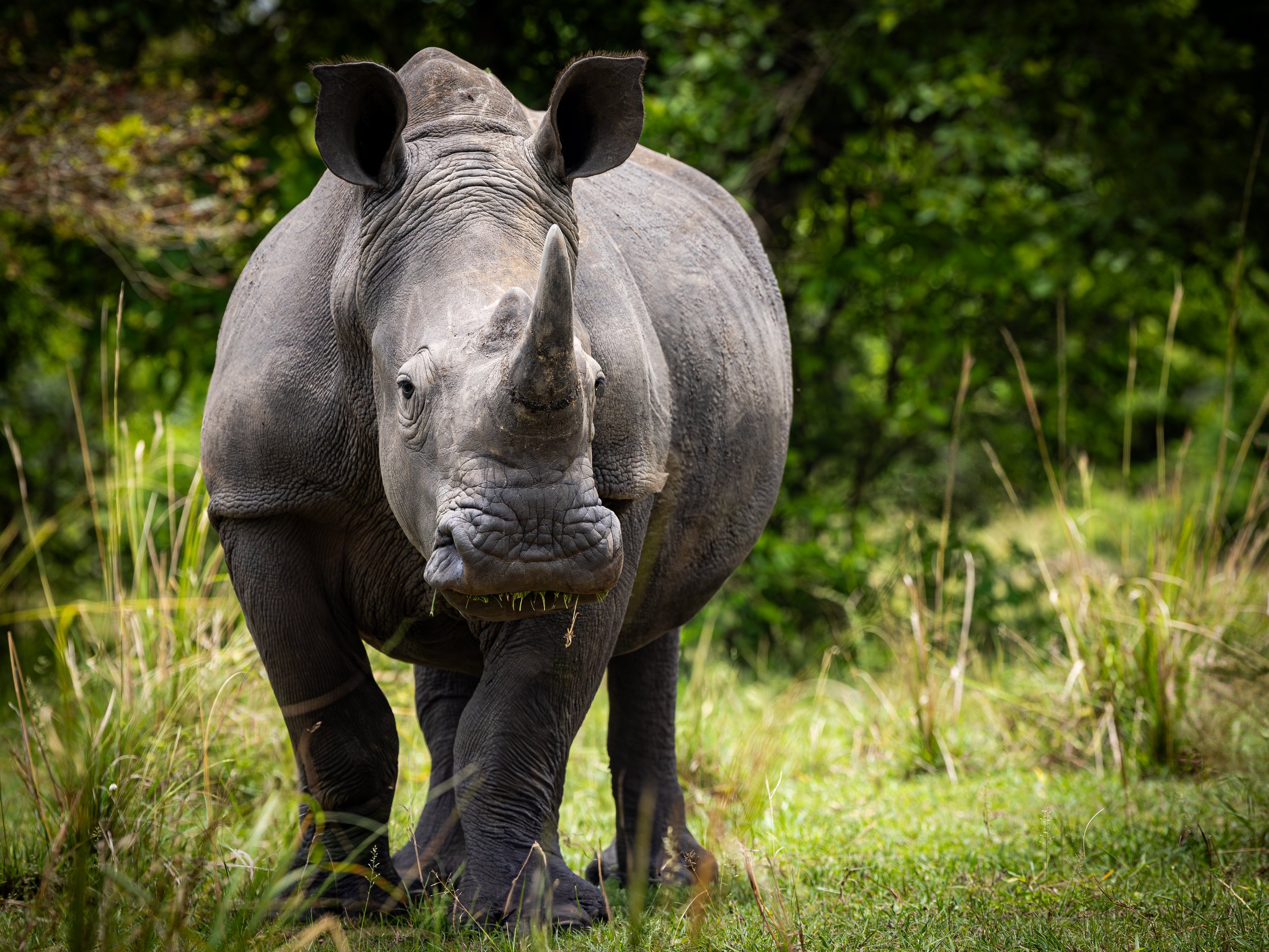
From Six Rhinos to a New Beginning: The Conservation Story of Ziwa Rhino Sanctuary
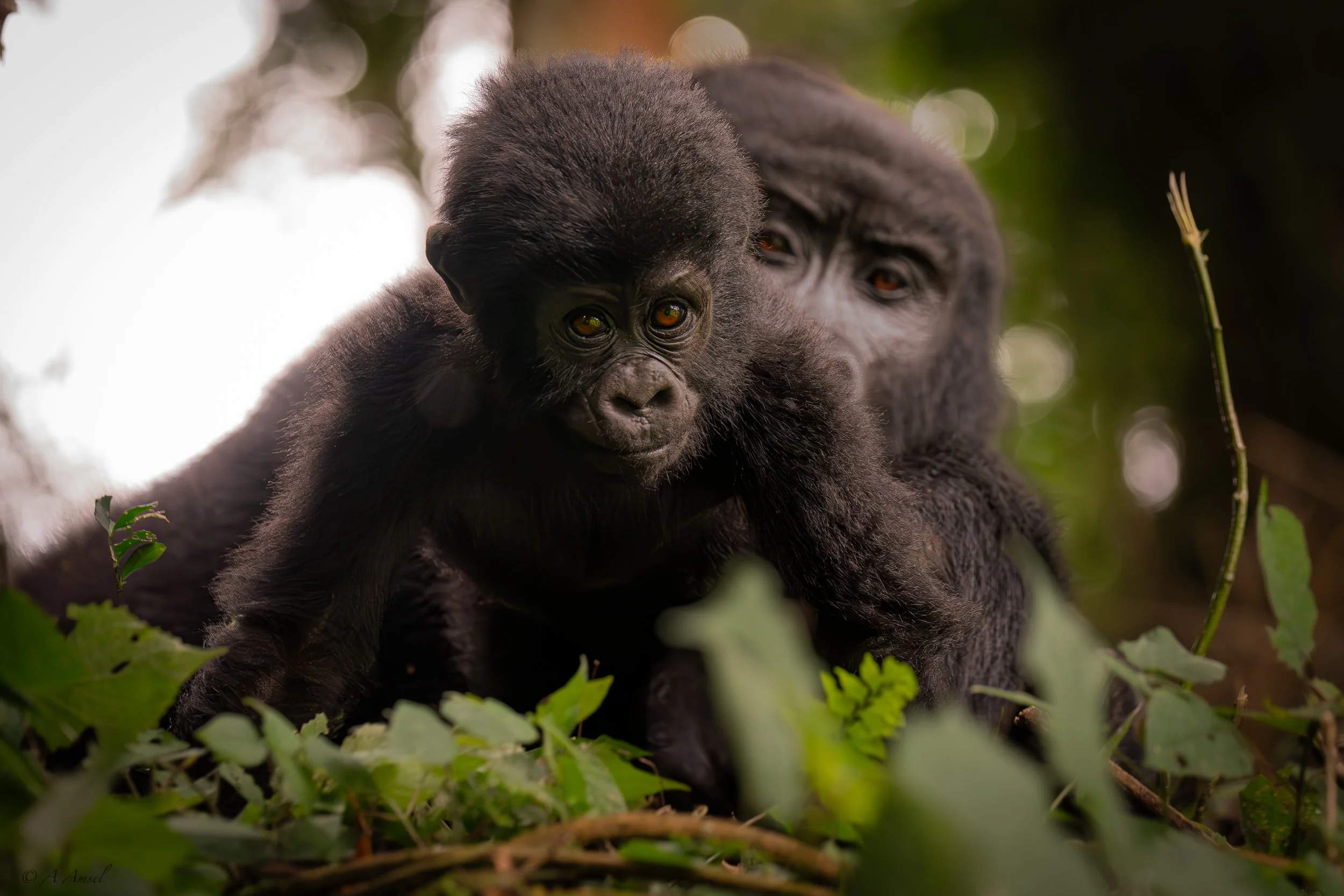
Every Photo Tells a Story: How to Create More Meaningful Wildlife Images
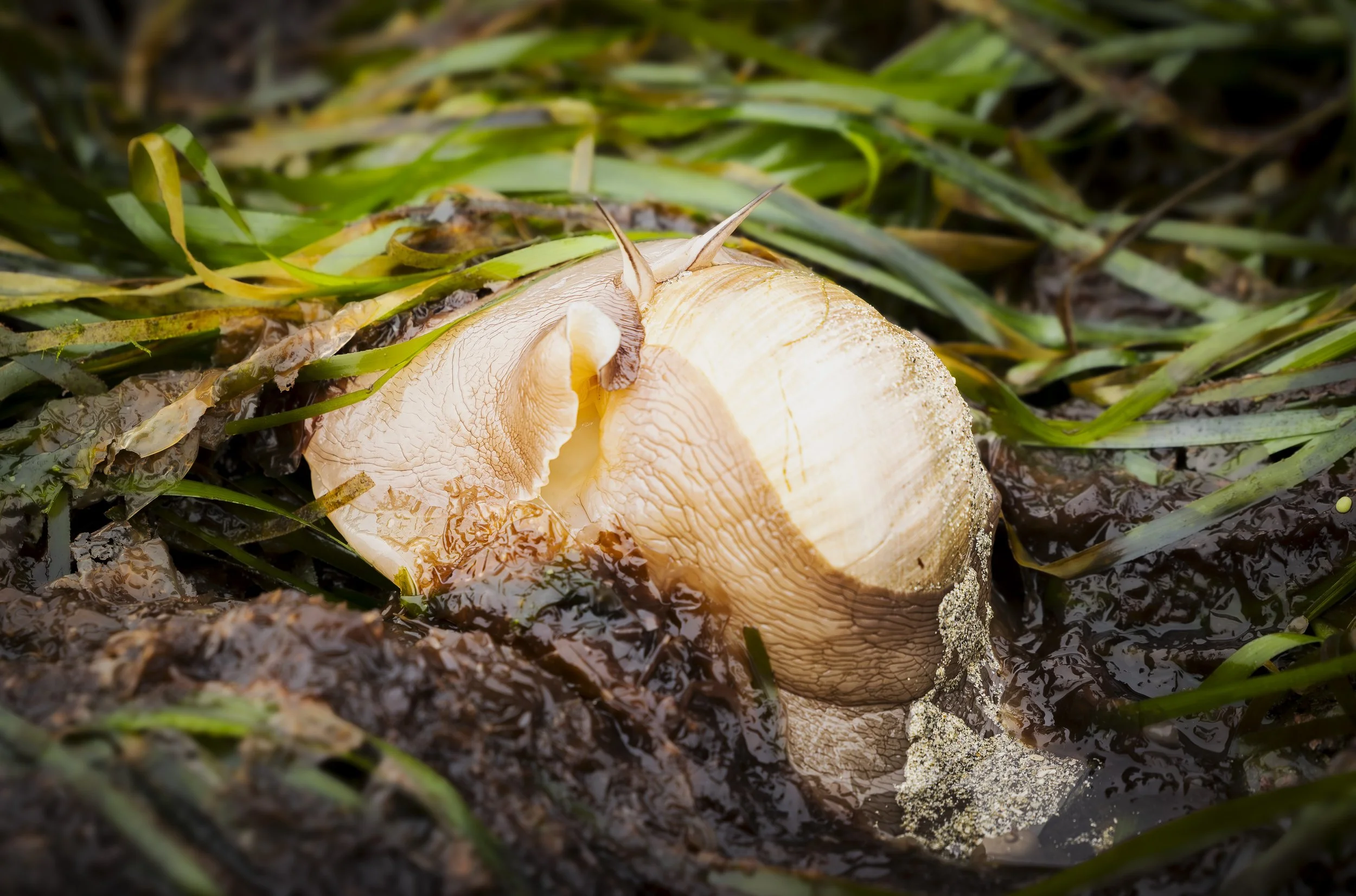
Hidden Worlds at Low Tide: Exploring the Intertidal Zone of British Columbia
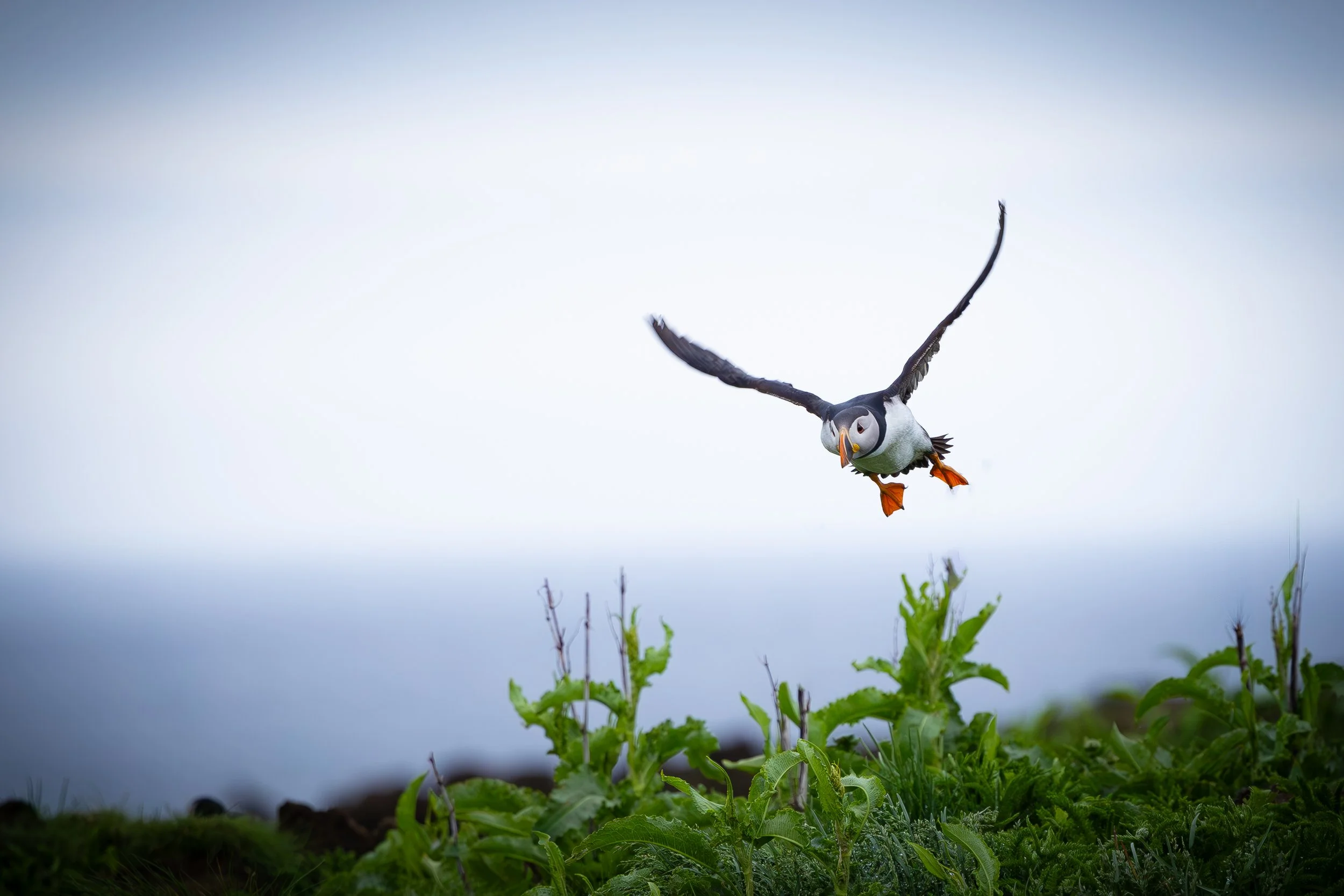
Atlantic Puffins of Newfoundland: A Seabird Spectacle
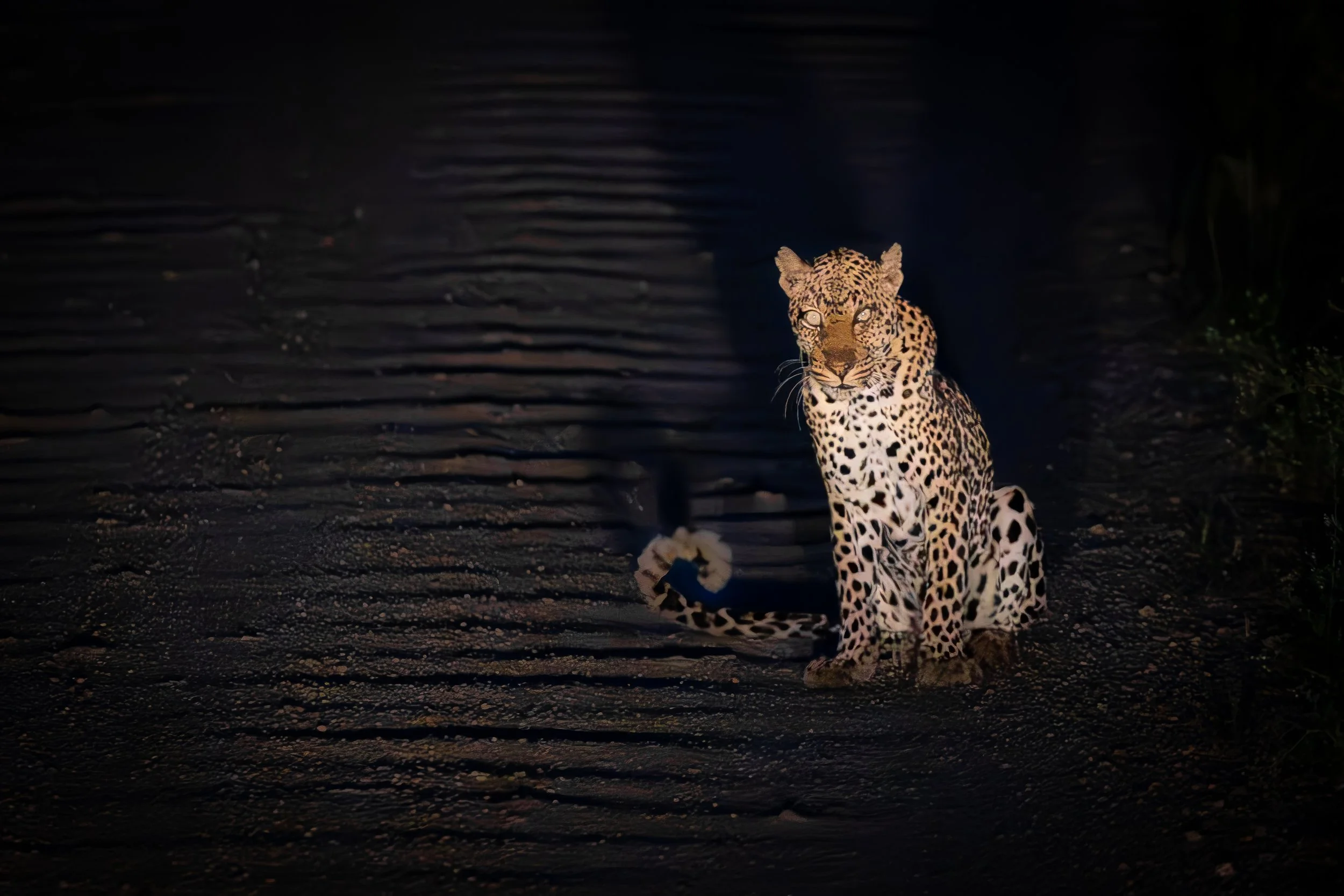
After Dark in Uganda: The Magic of Night Safaris and How to Photograph the Wild in Low Light
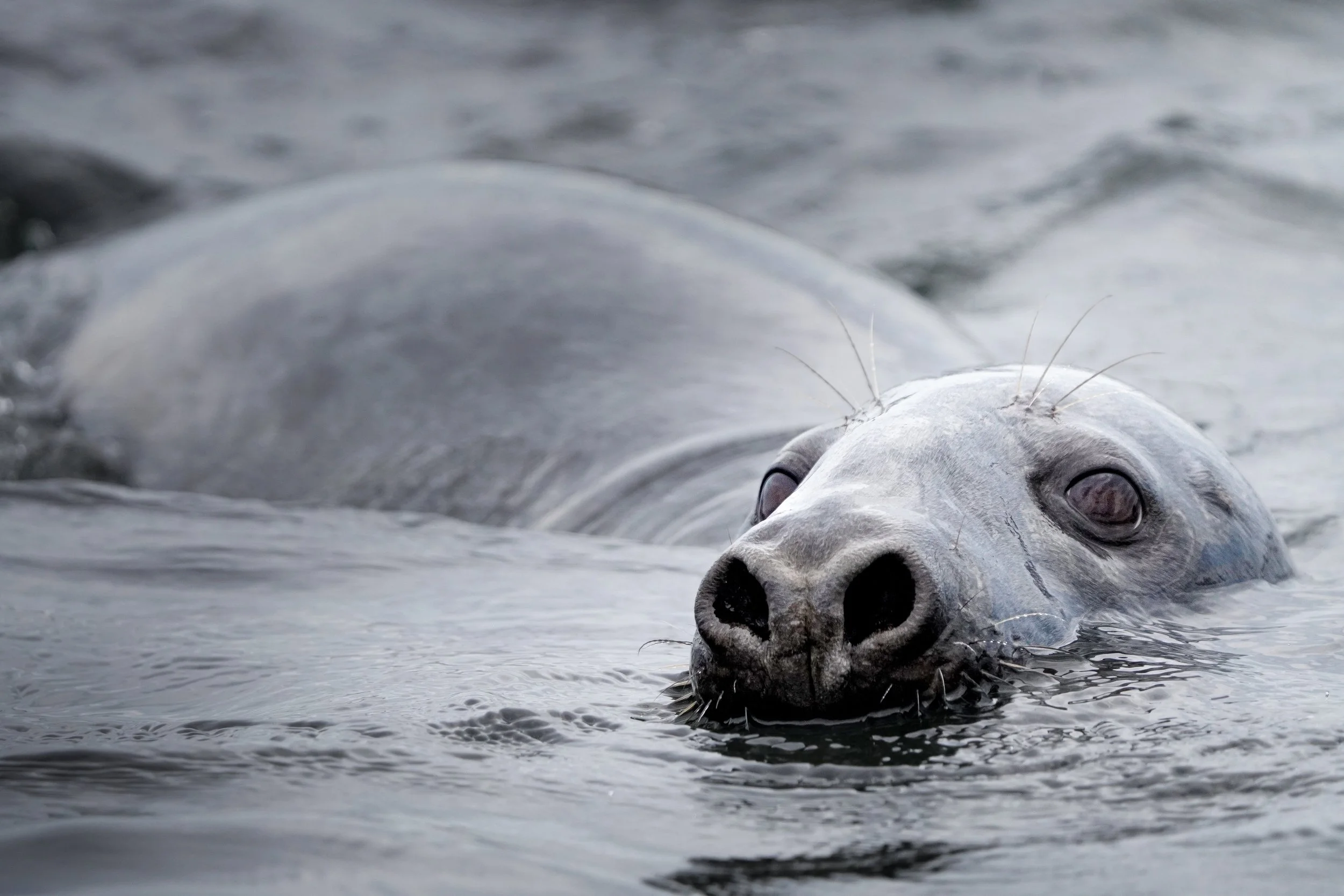
Grey Seals of Québec: Autumn Encounters with One of the Gulf's Top Predators
Along the rugged coastlines and islands of Quebec, autumn brings dramatic scenery, crisp sea air, and one of eastern Canada's most charismatic marine mammals: the grey seal. With their large, expressive eyes, distinctive long noses, and curious nature, grey seals are a highlight for wildlife enthusiasts exploring the Gulf of St. Lawrence in the fall.
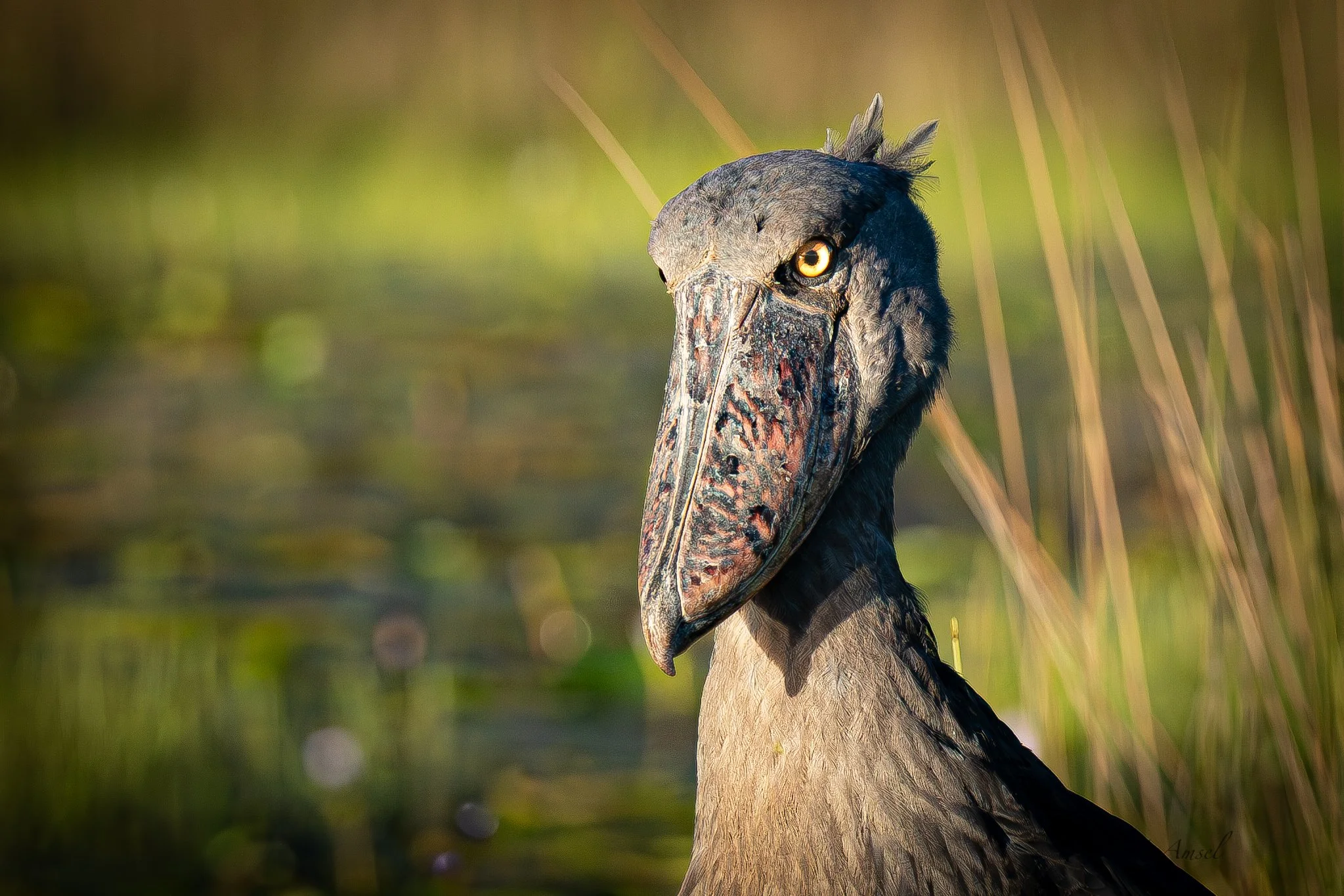
The Shoebill Search: Patience, Photography, and Prehistoric Birds
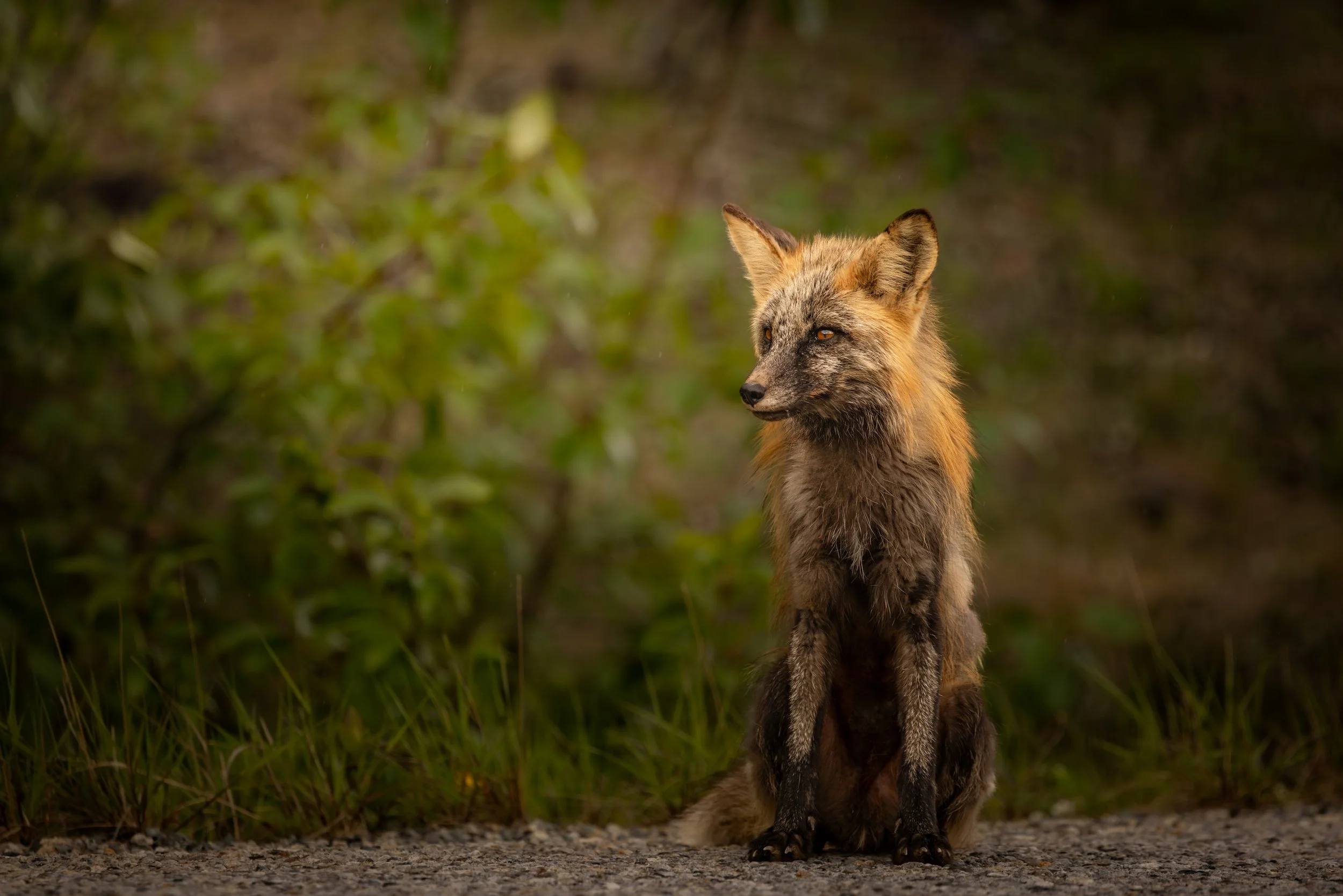
Why Understanding Animal Behaviour Makes You a Better Wildlife Photographer
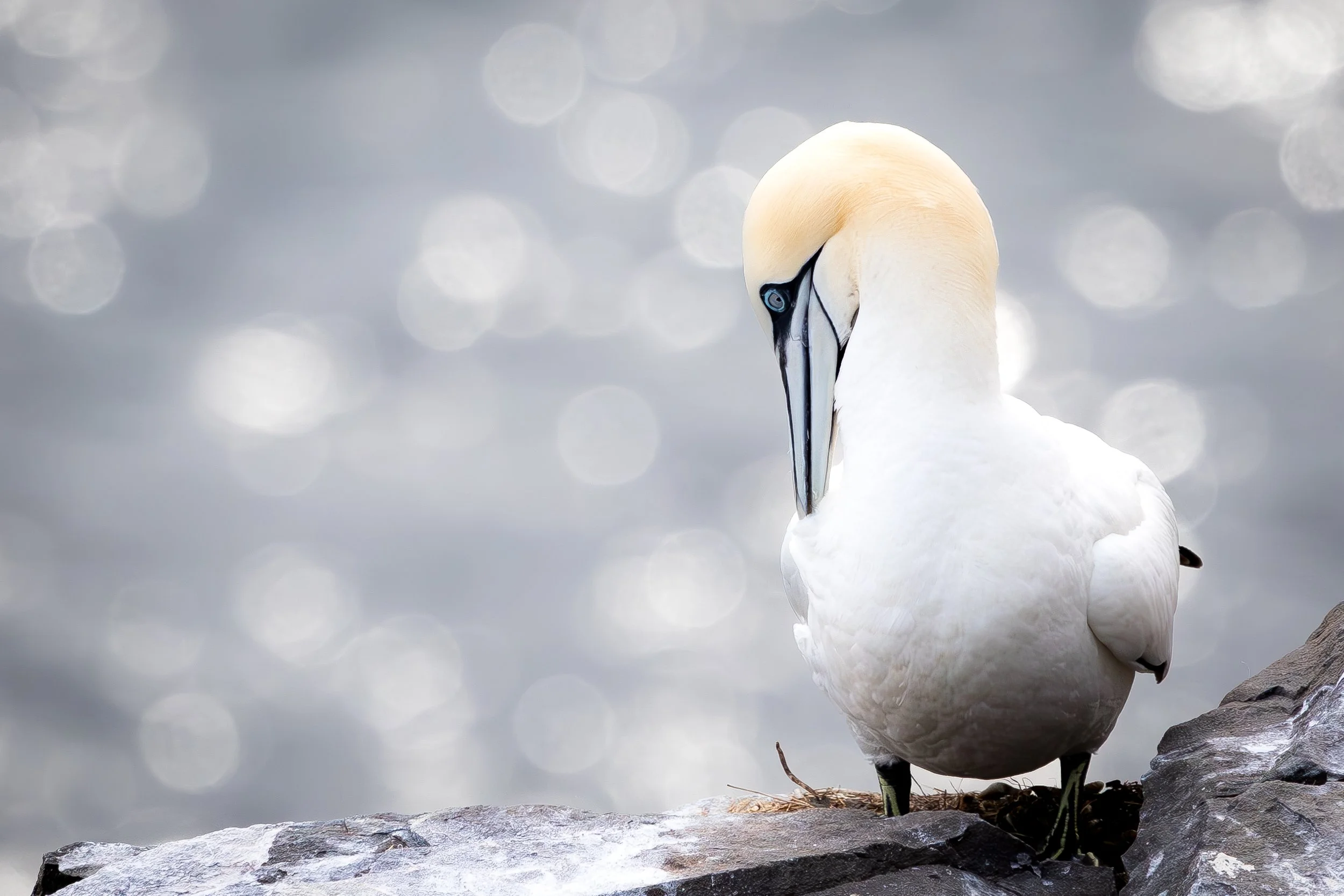
Masters of the Dive: Northern Gannets at Cape St. Mary's
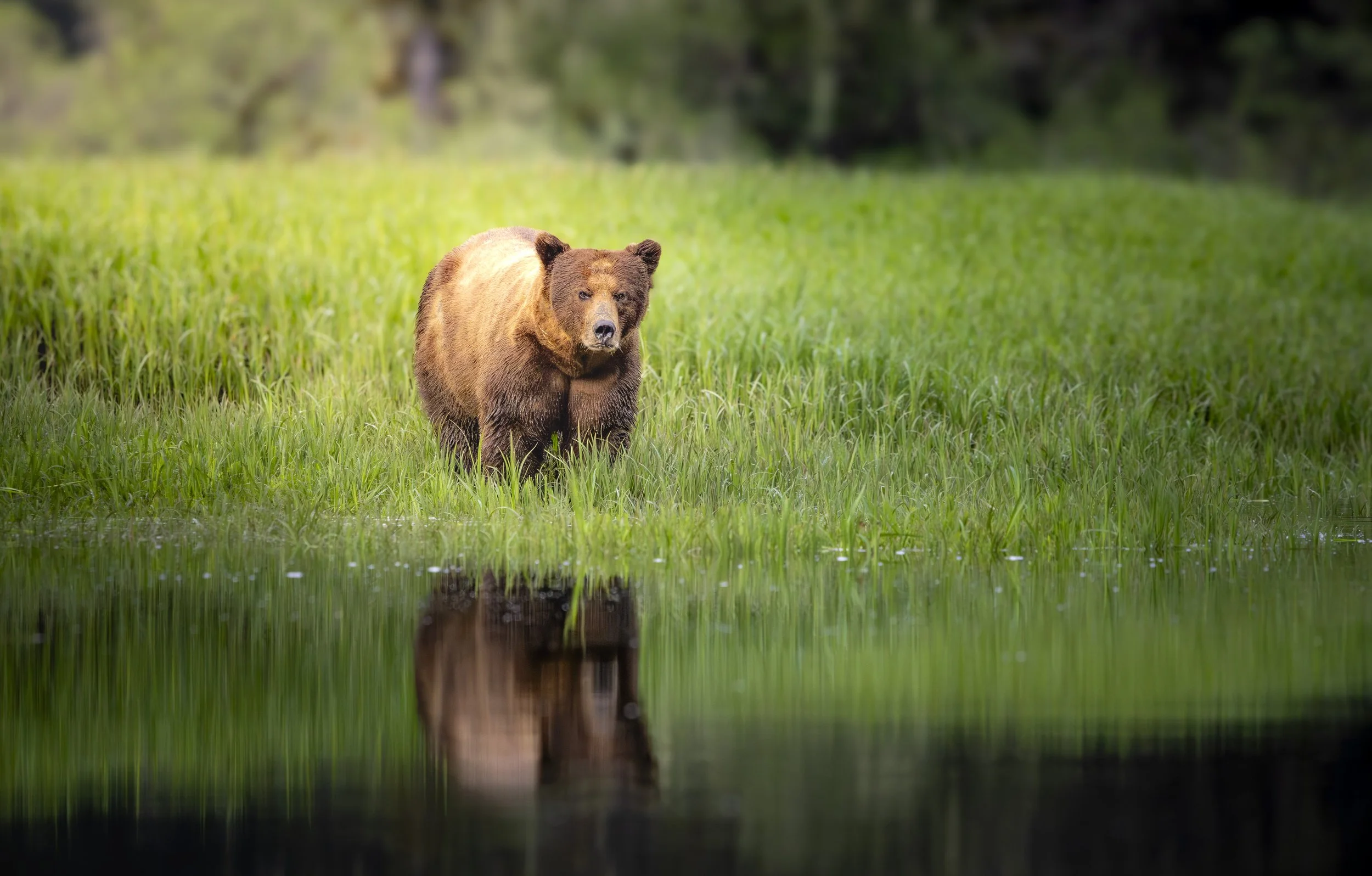
Bears, Whales, Wildflowers & Photography in the Khutzeymateen 2026
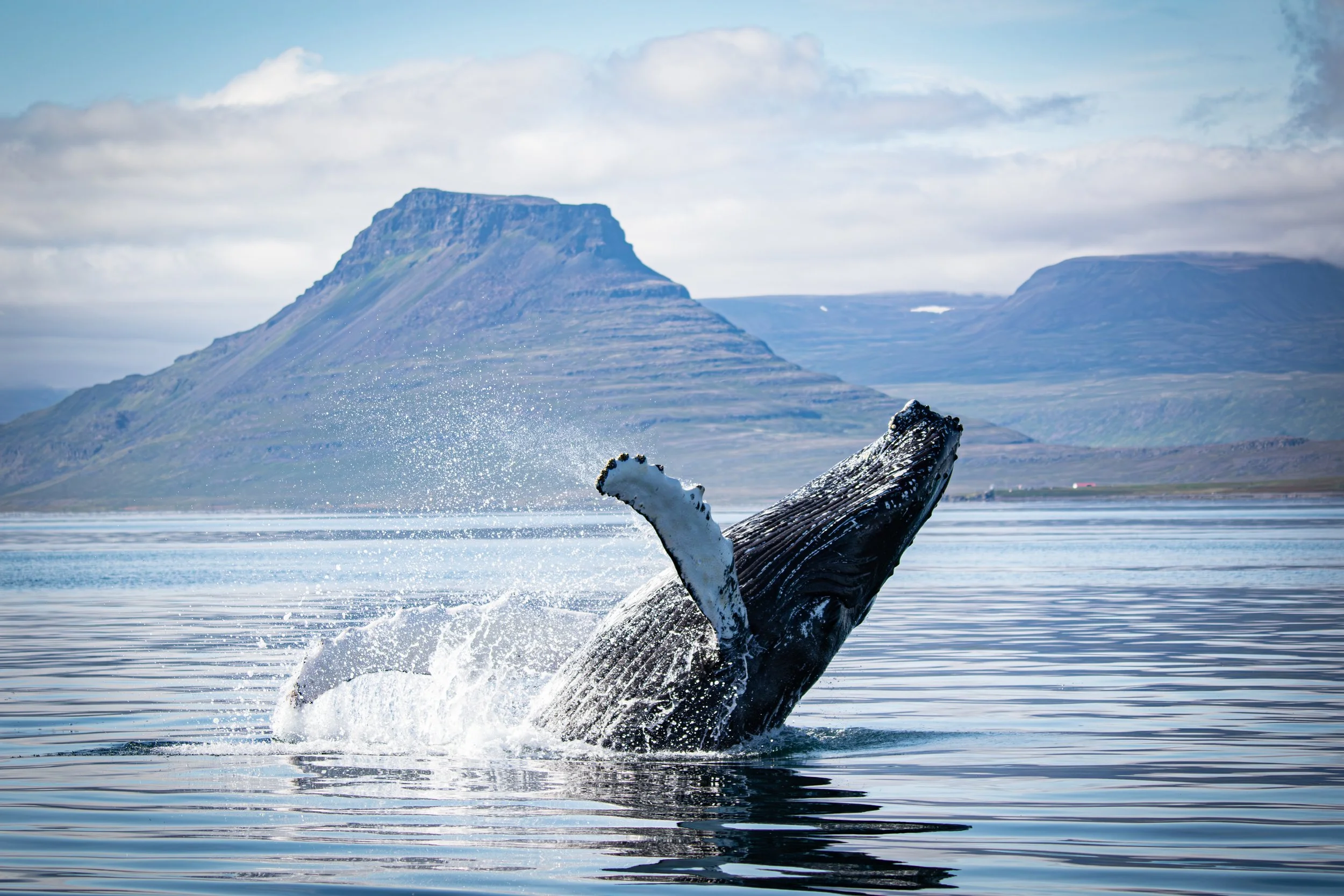
Watching Without Disturbing: Why Ethical Whale Watching Matters
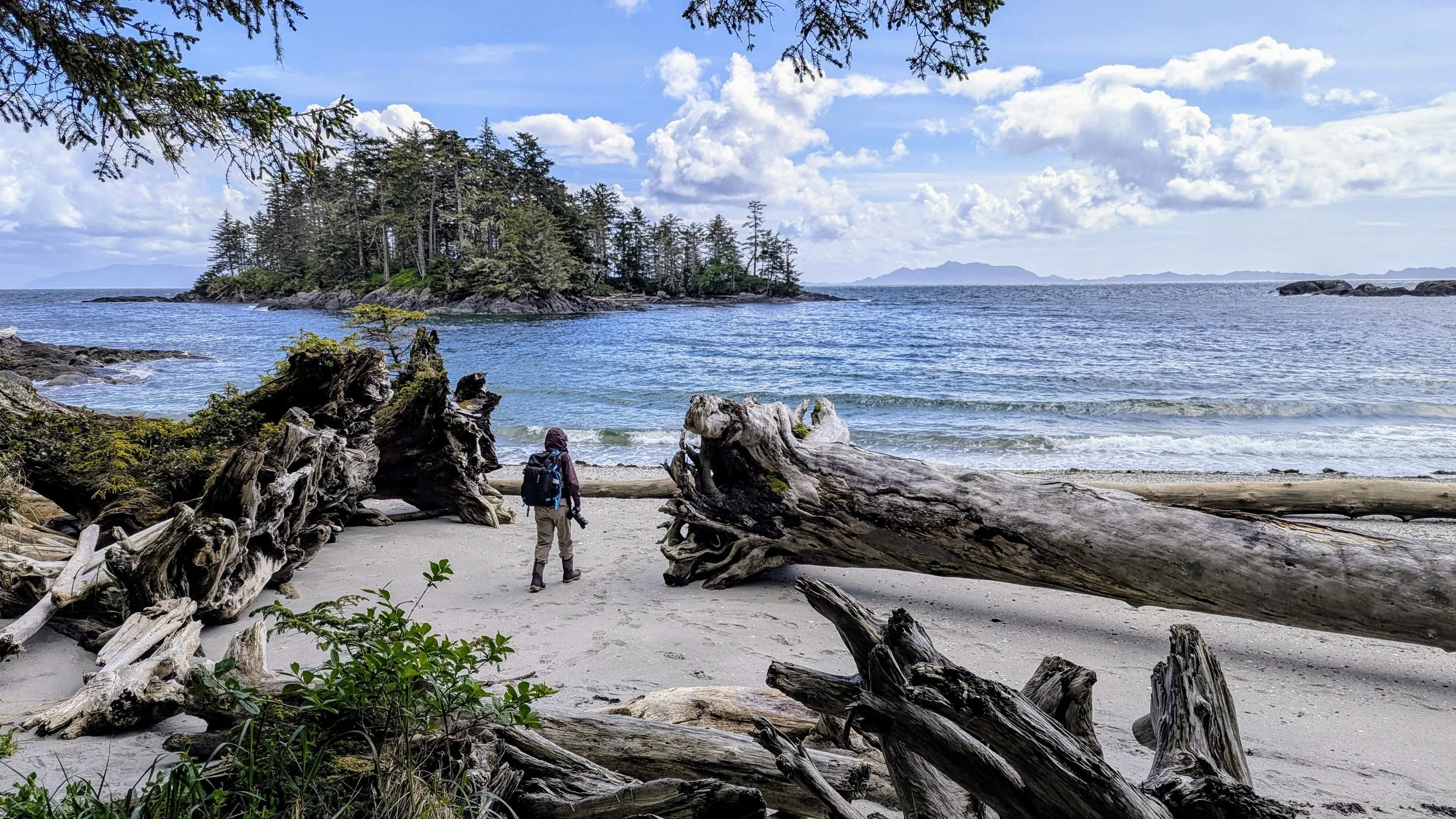
A Day on a Wildlife Photography Expedition
There’s a big difference between a vacation and an expedition and that difference is exactly what makes wildlife photography trips so unforgettable. When you join us in the field, you’re not just sightseeing, you’re fully immersed in the rhythms of nature. The days are long, the schedule is flexible, and every moment is shaped by wildlife, light, and opportunity.
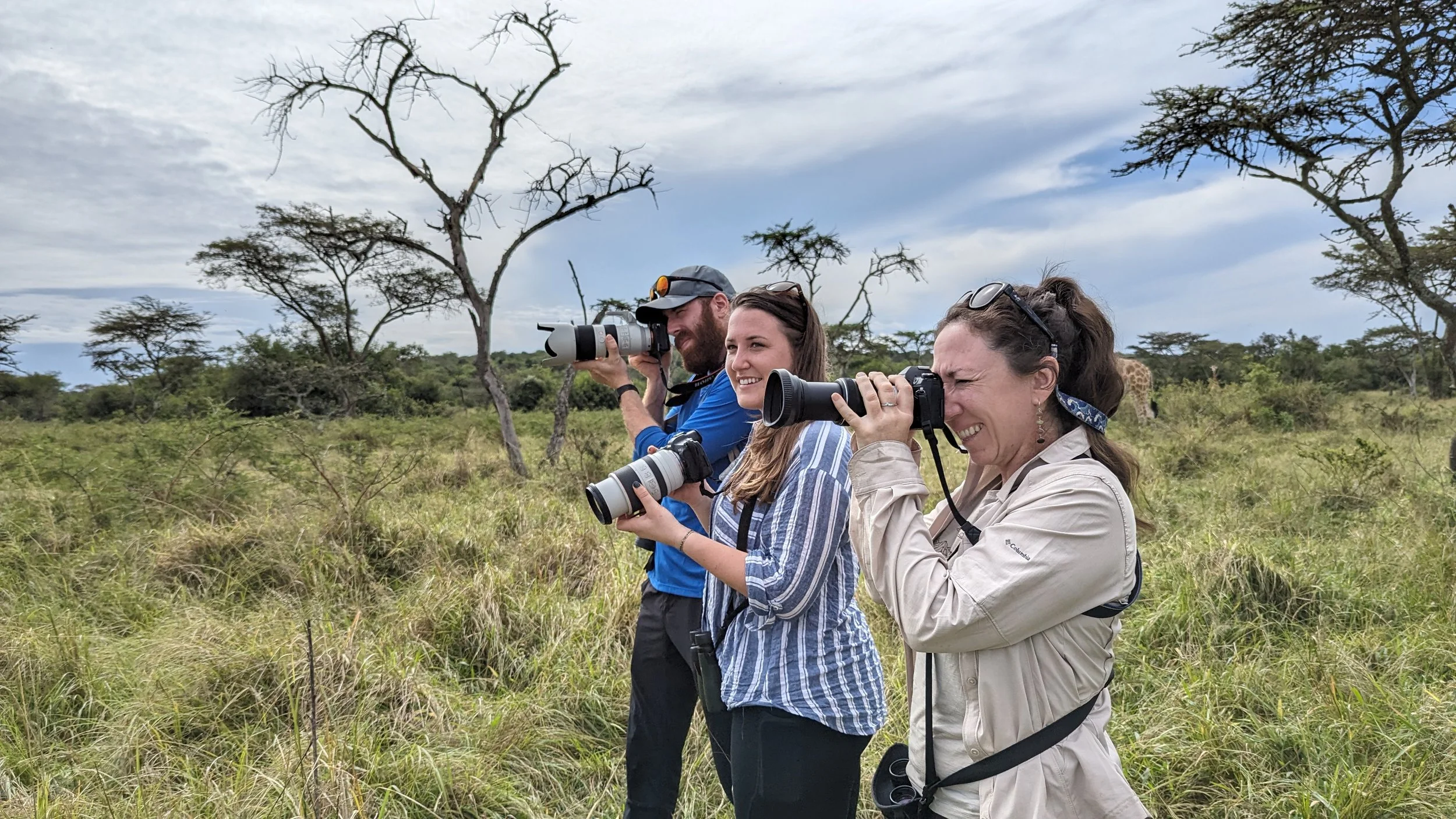
On Foot in the Wild: Walking Safaris in Uganda’s Lake Mburo National Park
When most people think of an African safari, they picture long days spent in a vehicle, scanning the horizon for wildlife. While that experience is undeniably iconic, Uganda offers something refreshingly different. Here, the safari experience sometimes goes beyond the vehicle, and nowhere is that more evident than in Lake Mburo National Park, where walking safaris open up a whole new way to connect with the landscape and its wildlife.
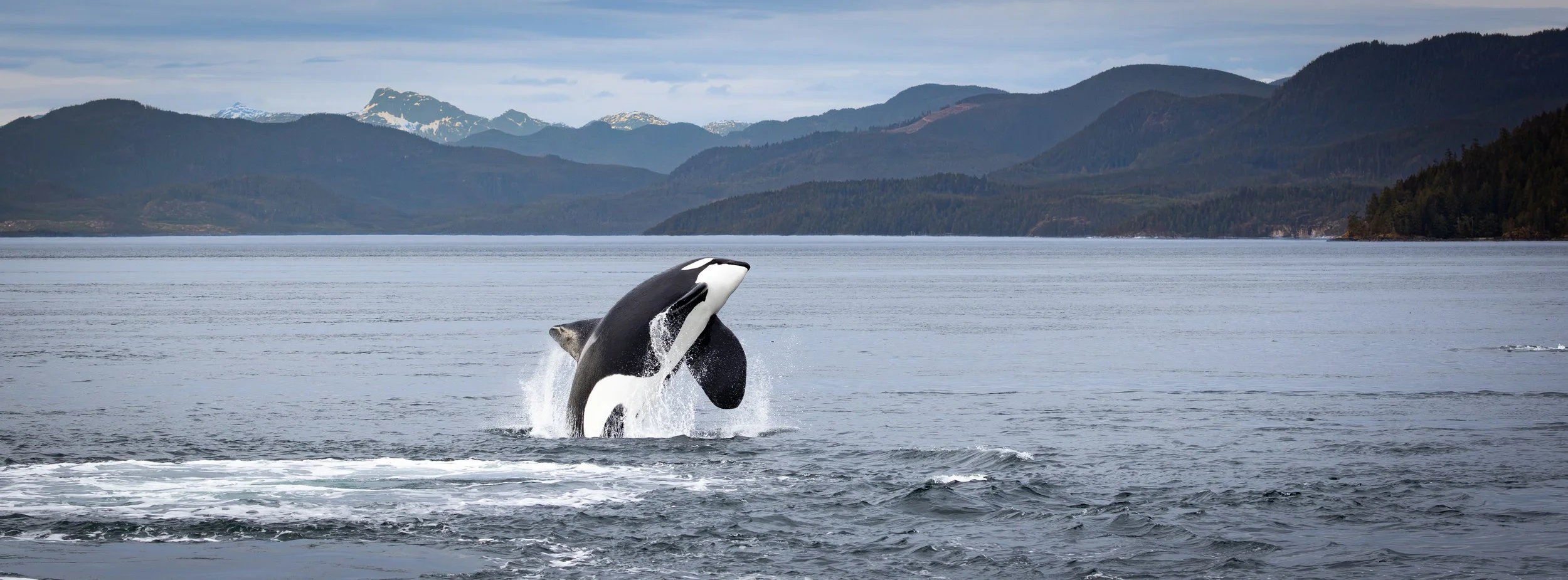
Voices of the Coast: Orcas of the Great Bear Rainforest
Few wildlife encounters compare to seeing orcas in the wild, especially along the remote, misty coastline of Great Bear Rainforest. Here, ancient forests meet rich marine ecosystems, creating one of the best places in the world to observe these iconic predators. But beyond their striking dorsal fins and dramatic surfacing, orcas reveal a deeper story, one of communication, culture, and complex social lives.
Top 5 Wildlife Photography Mistakes (and How to Avoid Them)
Wildlife photography is one of the most rewarding genres of photography, but it’s also one of the most challenging. Unpredictable subjects, changing light, and the need for patience can make even experienced photographers slip into common mistakes. The good news? Most of these pitfalls are easy to fix once you’re aware of them. Here are five of the most common wildlife photography mistakes and how to avoid them on your next outing.
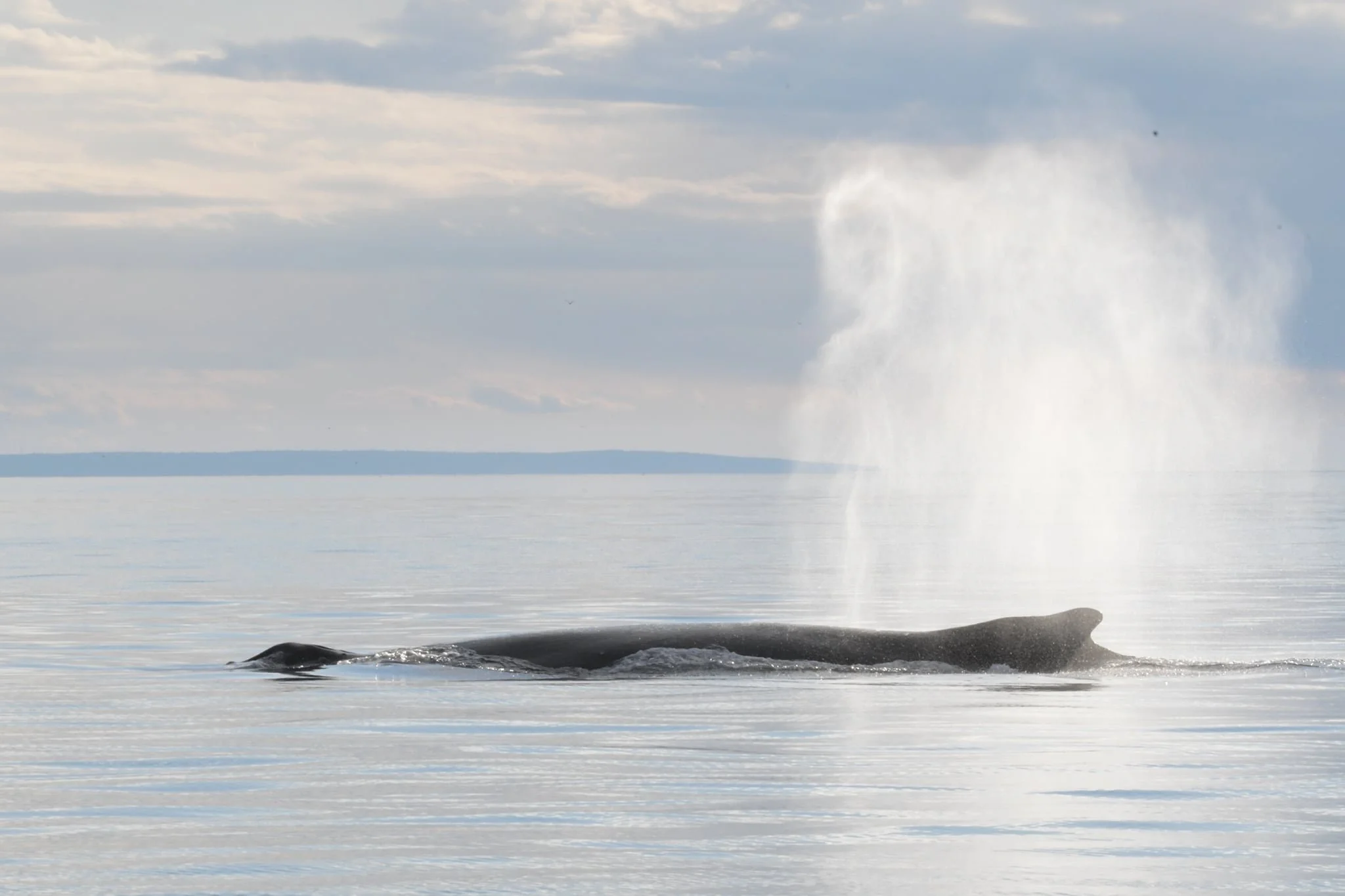
Where Giants Gather: Whales, Photography, and Conservation in the St. Lawrence
Cold air, shifting light, and a wide river that feels more like an ocean. At first glance, the St. Lawrence doesn’t immediately announce itself as one of the world’s great whale habitats, but beneath its surface, it is constantly in motion. Nutrient-rich waters rise, currents collide, and life concentrates in remarkable ways.
This is what makes Quebec such an extraordinary place to find whales.
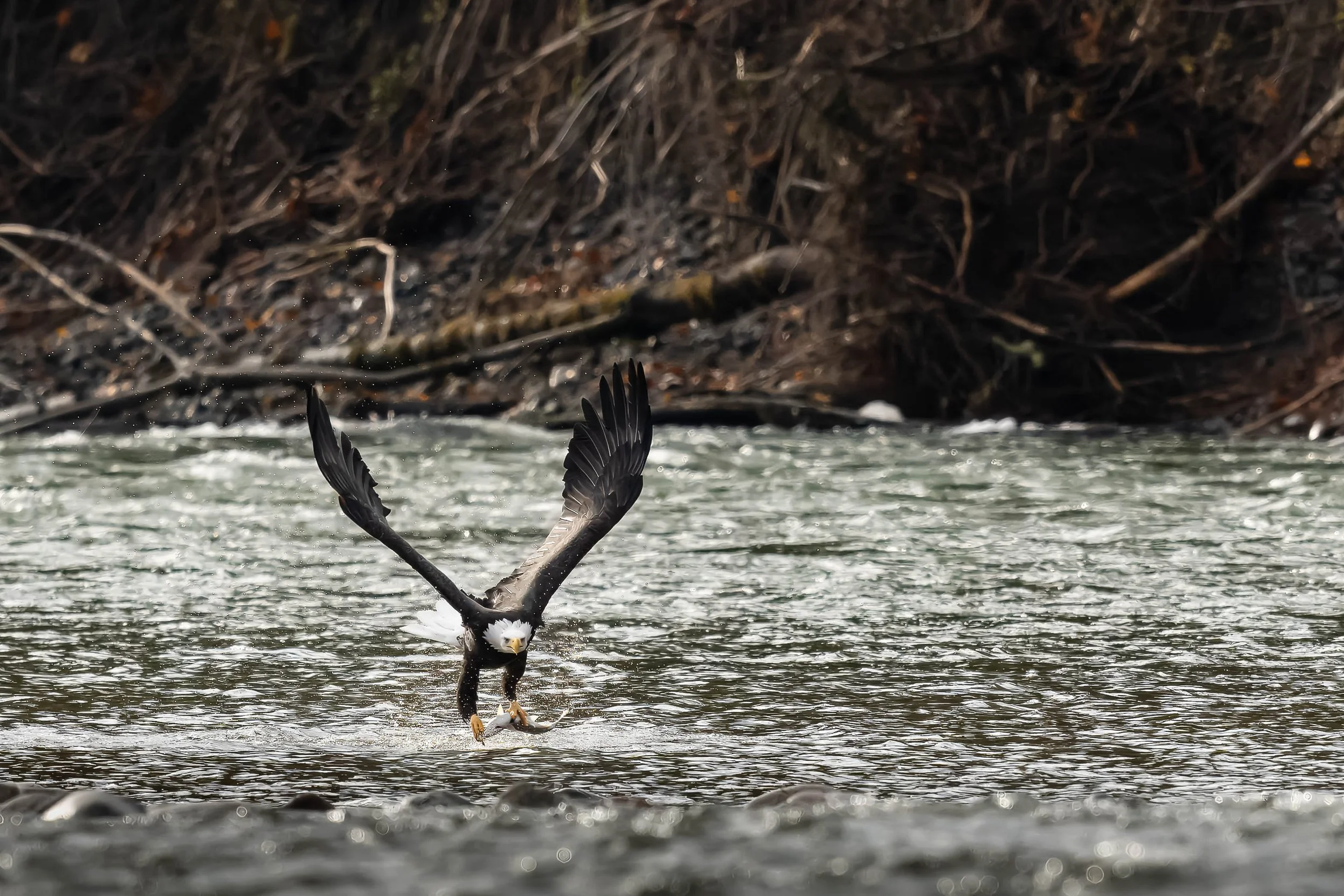
When the Rivers Feed the Sky: Eagles, Salmon, and the Coastal Rainforest
Winter along the coast of British Columbia is not subtle. Rain falls steadily, rivers swell and spill into their banks, and low clouds cling to towering evergreens. To some, it feels bleak. To wildlife, it signals abundance. This is when bald eagles arrive in remarkable numbers near Squamish, gathering along river corridors and estuaries as salmon complete their final journey upstream. What unfolds here each winter is one of the clearest examples of how deeply connected land, sea, and sky truly are.
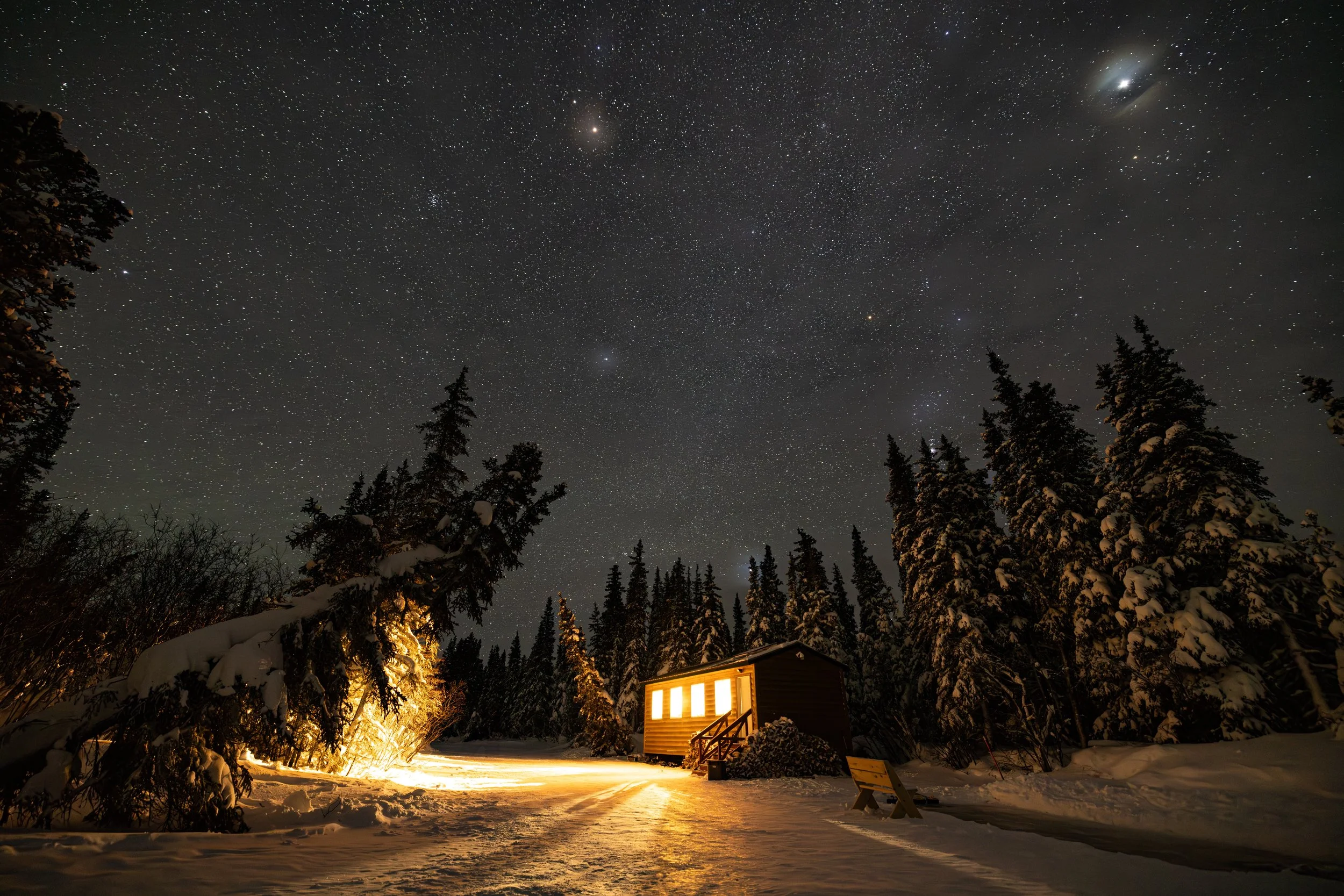
Under the Stars: Practical Tips for Astrophotography
There’s something unforgettable about standing under a truly dark sky. Away from city lights, the stars don’t just appear, they explode into view. The Milky Way stretches overhead, constellations sharpen, and suddenly the night feels vast in a way that’s hard to describe.
Astrophotography is about more than capturing that scene. It’s about learning to work with darkness, patience, and the subtle movement of the Earth itself. The good news? You don’t need the most advanced gear to get started, you just need the right approach.
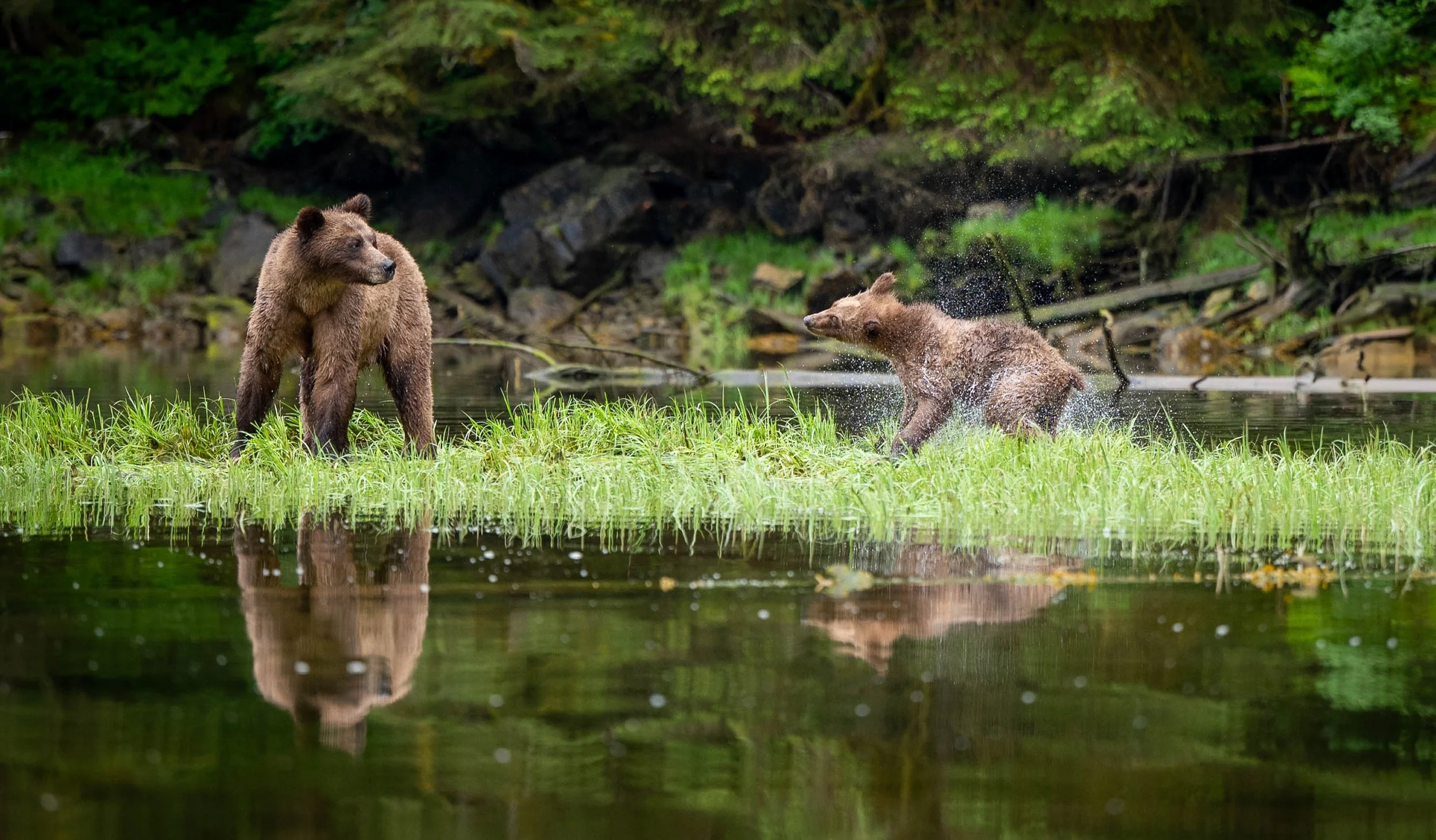
Life Before the First Footprint: Grizzly Bear Reproduction
Grizzly bears live long, complex lives shaped by seasons, food availability, and survival strategies refined over thousands of years. Few aspects of their biology are as fascinating as reproduction. From delayed implantation to cubs taking their first steps out of the den, grizzly reproduction is a slow, deliberate process tied tightly to the rhythms of the land.