
How Travel Conserves Species: A Uganda Example
Conservation isn’t just something that happens in research labs or international policy meetings. Conservation happens every time a traveller chooses to visit a wild space, respectfully, intentionally, and in partnership with local communities. In Uganda, this connection is visible, measurable, and powerful — because tourism directly funds protection for the species we travel so far to see.
Where Your Money Goes Matters
When you join us in Uganda, you aren’t just paying for a permit or an activity — you’re investing into an entire conservation network.
For every wildlife-based experience, 20% of the revenue goes straight to surrounding communities. That includes:
Gorilla trekking
Chimpanzee trekking
Lion tracking
Birding and guided walks
Park entrance fees & tourism activities
That 20% isn’t dictated by outside organizations. It’s not controlled by foreign agencies. Local people choose how that money is used — for schools, clean water systems, agriculture programs, infrastructure, health clinics, and forest-edge employment.
When tourism provides meaningful income, wildlife becomes an asset rather than a threat. Living beside elephants, gorillas, or lions isn’t always easy — but when communities benefit directly, they have every reason to protect them.
Tourism doesn’t just observe conservation. It fuels it.
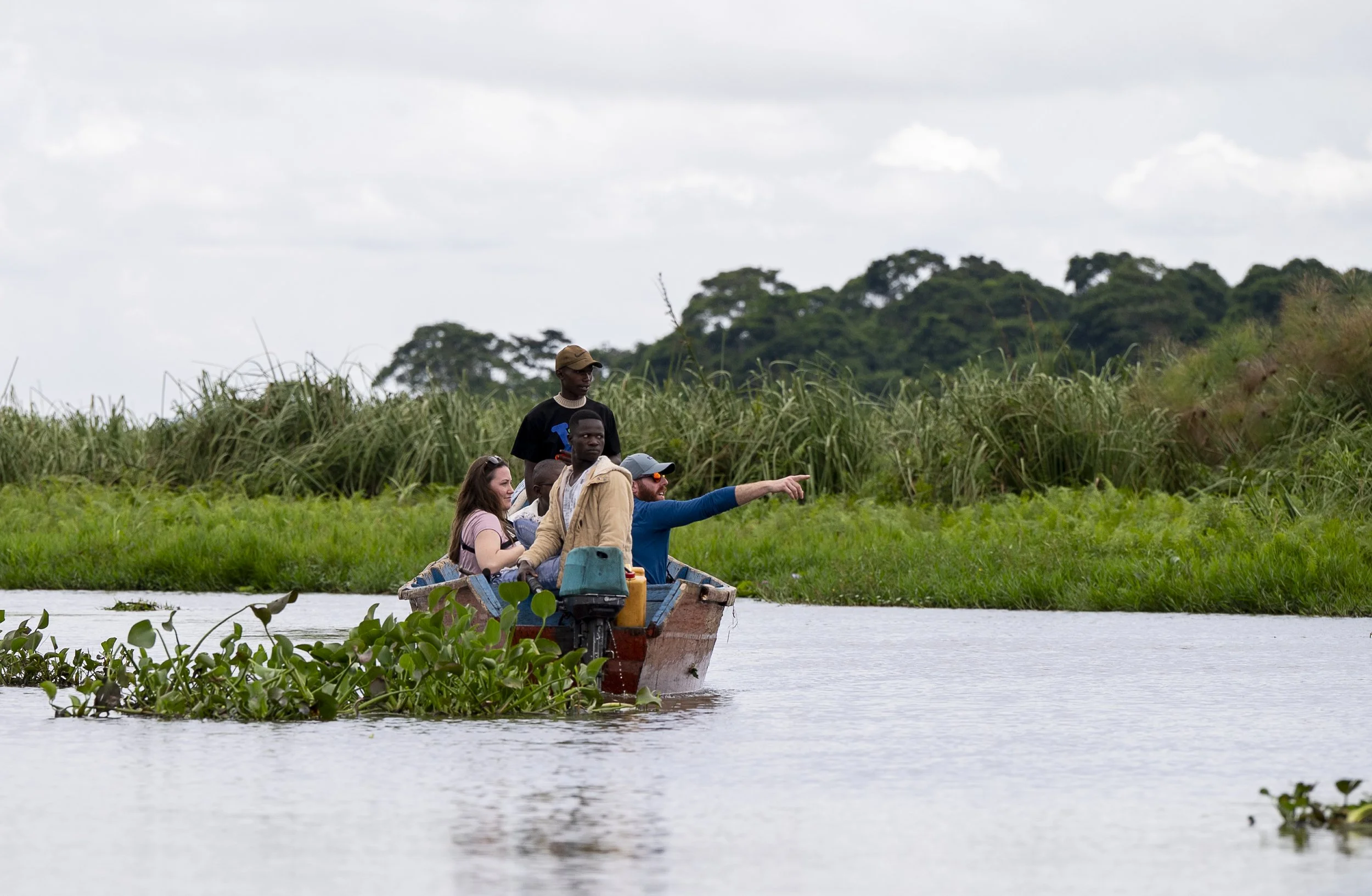
When Communities Benefit, Wildlife Wins
In some regions, the people protecting wildlife today were once the very individuals struggling against it. Not because they didn’t care but because they needed food, income, and survival.
Tourism changed that story.
Former poachers are now rangers, guides, and educators. Their knowledge of the forest, the trails, the animal behaviour that once guided traps — now guides travellers toward meaningful encounters. Instead of wildlife disappearing into snares, it is protected, tracked, and valued.
This transition is only possible when tourism dollars return home — to the people living with wildlife every single day.
Guides Who Train for Conservation
Every ranger who leads us into the rainforest has passed through specialized training, certifications, and years of hands-on knowledge development. These aren’t casual nature walks — you are guided by conservation professionals who study primate behaviour, track movements across seasons, and understand ecological relationships at a level only locals can see.
Their work depends on tourism.
Their expertise protects Uganda’s forests.
And your presence makes that possible.
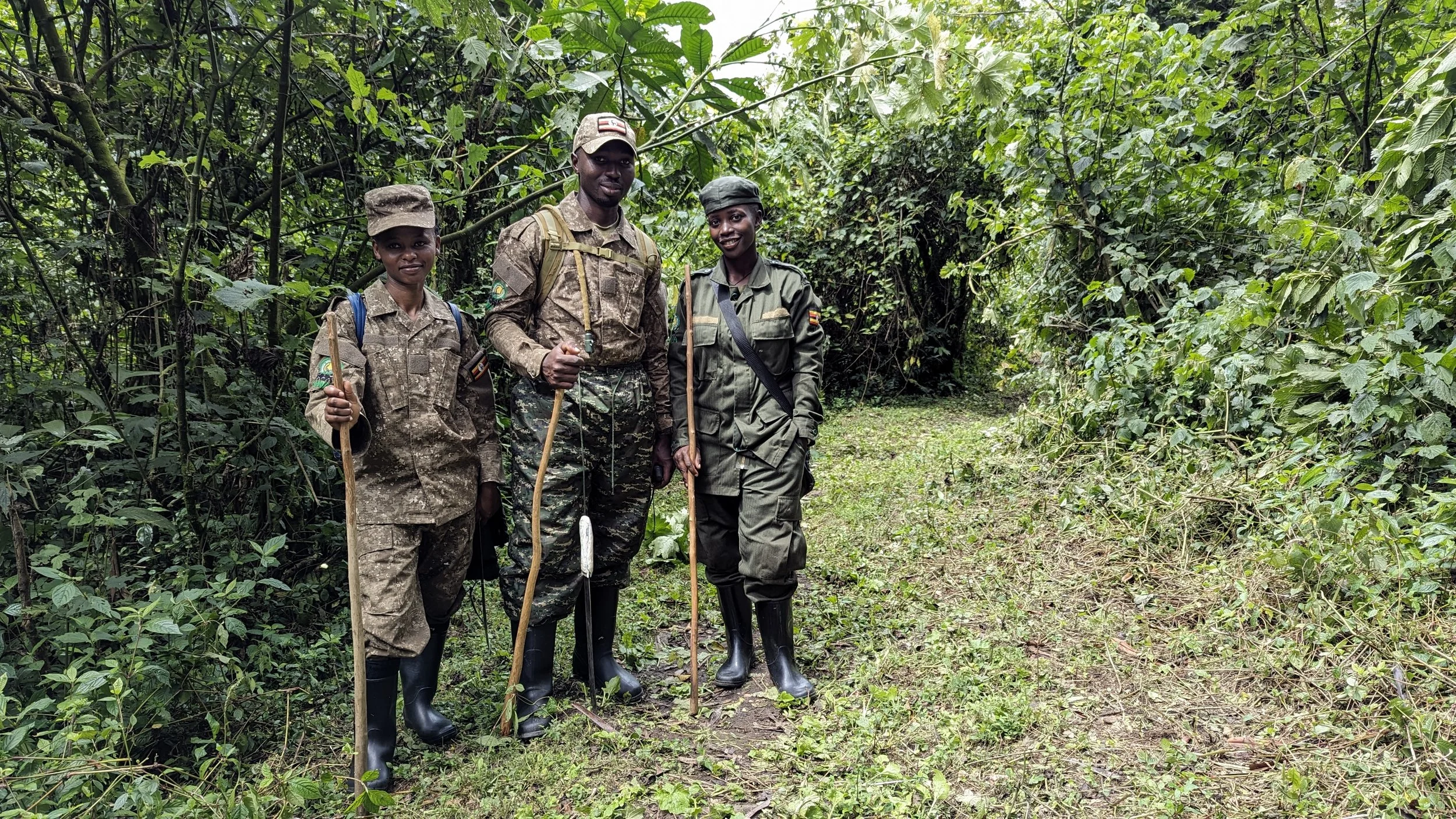
Travel With Purpose
Travel can exploit, or it can uplift. Uganda is proof of how well-designed ecotourism becomes a conservation engine:
Tourism revenue funds community well-being
Communities vote to protect wildlife rather than lose it
Former poachers become guardians of the forest
Rangers train, educate, and monitor wildlife year-round
The existence of gorillas, chimps, and lions gains real, economic value
When wildlife thrives, people thrive.
When people thrive, wildlife survives.
Visiting Uganda isn’t just an adventure, it’s a partnership. Every step on the trail, every gorilla heartbeat, every chimpanzee shadow moving through the canopy exists because people choose protection over destruction.
And when you travel with intention, you help make that choice sustainable.
If you’d like to be part of conservation you can feel and witness firsthand, we’d love to take you there.