
Pangolins of Uganda: Scales, Survival, and the People Fighting for Their Future
At first glance, a pangolin looks almost unreal. Covered head to tail in overlapping scales, it’s easy to understand why so many people assume they are reptiles. But pangolins are mammals—warm-blooded, fur-bearing beneath their armor, and deeply connected to the ecosystems they inhabit. That misunderstanding has contributed, in part, to their tragic decline.
Today, pangolins are considered the most trafficked mammals on Earth.
Why Pangolins Are Disappearing
Uganda is home to several pangolin species, including the white-bellied pangolin and the giant pangolin. These animals are nocturnal, solitary, and incredibly difficult to study, which makes population estimates challenging. What is clear, however, is that their numbers are falling fast.
The main threats include:
Illegal wildlife trade, driven by demand for their scales and meat
Misconceptions about their biology and supposed medicinal value
Habitat loss, as forests are cleared or fragmented
Their scales, made of keratin (the same material as human fingernails), are falsely believed to cure illnesses. Combined with their shy nature, this makes pangolins especially vulnerable to poaching.
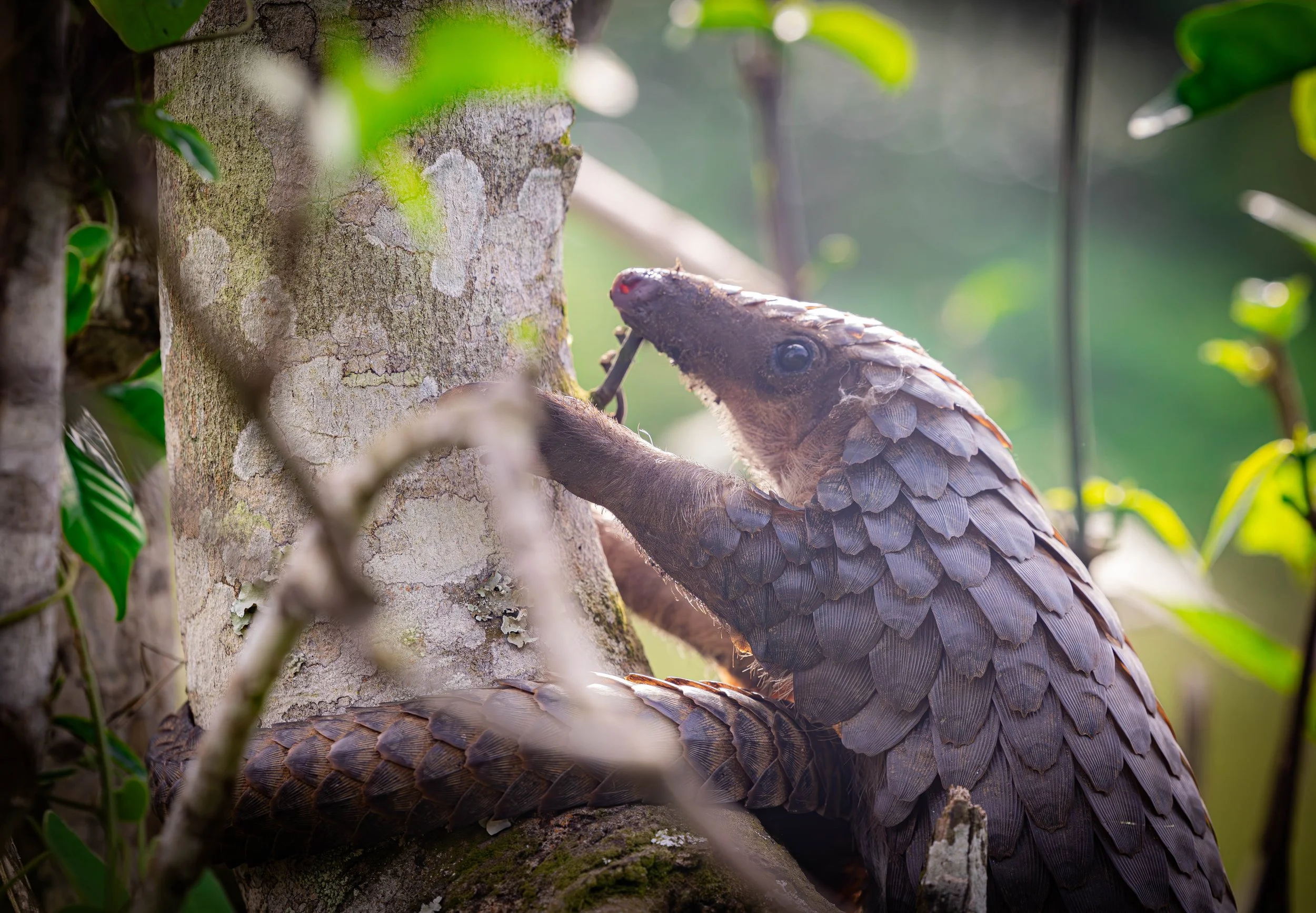
Pangolins as Ecosystem Engineers
Pangolins play a surprisingly large ecological role. Feeding almost exclusively on ants and termites, a single pangolin can consume thousands of insects each night. In doing so, they:
Regulate insect populations
Improve soil quality through digging
Influence nutrient cycling in forest ecosystems
Lose pangolins, and the balance of these systems begins to unravel.
Moses and the Pangolin Rescue Centre
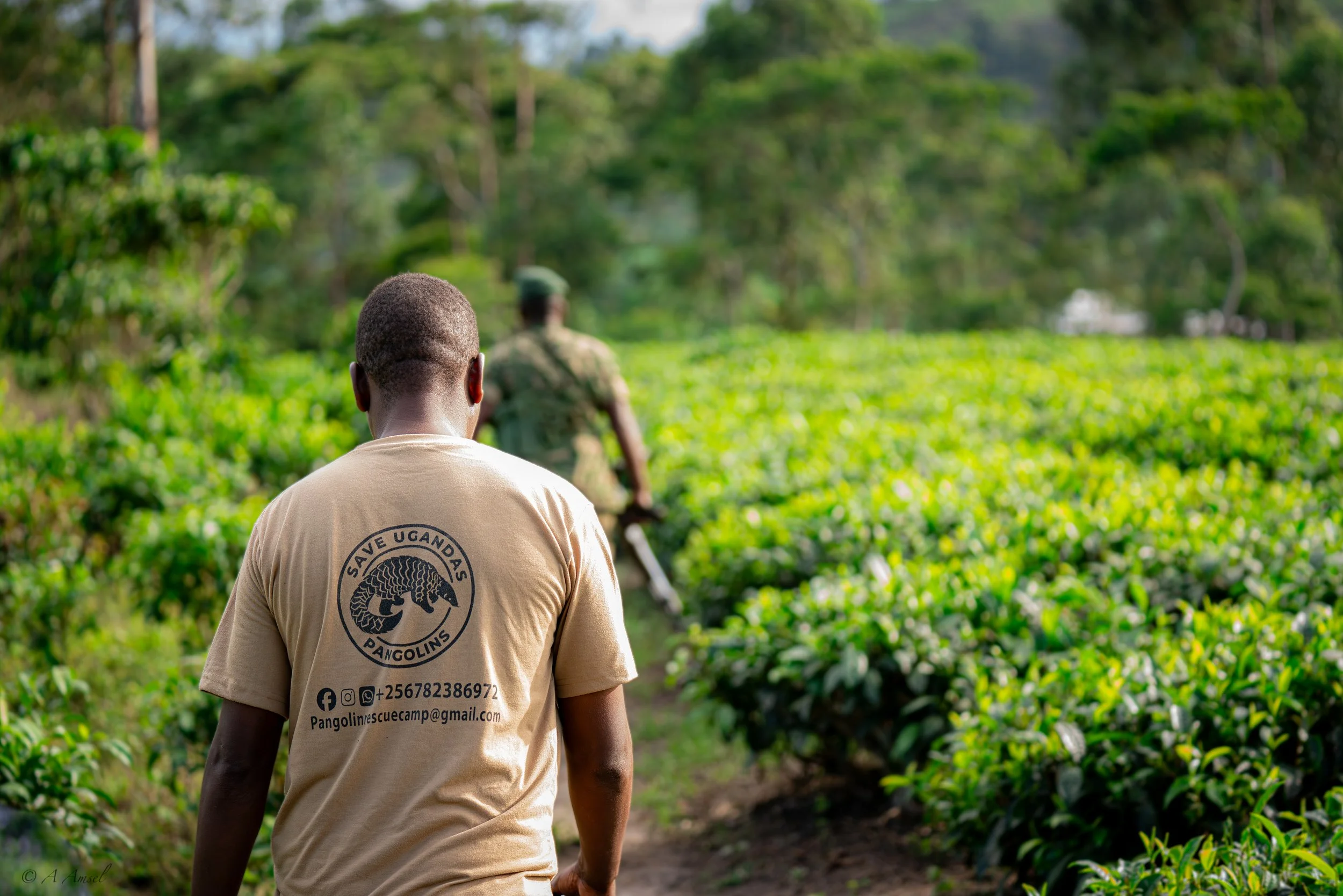
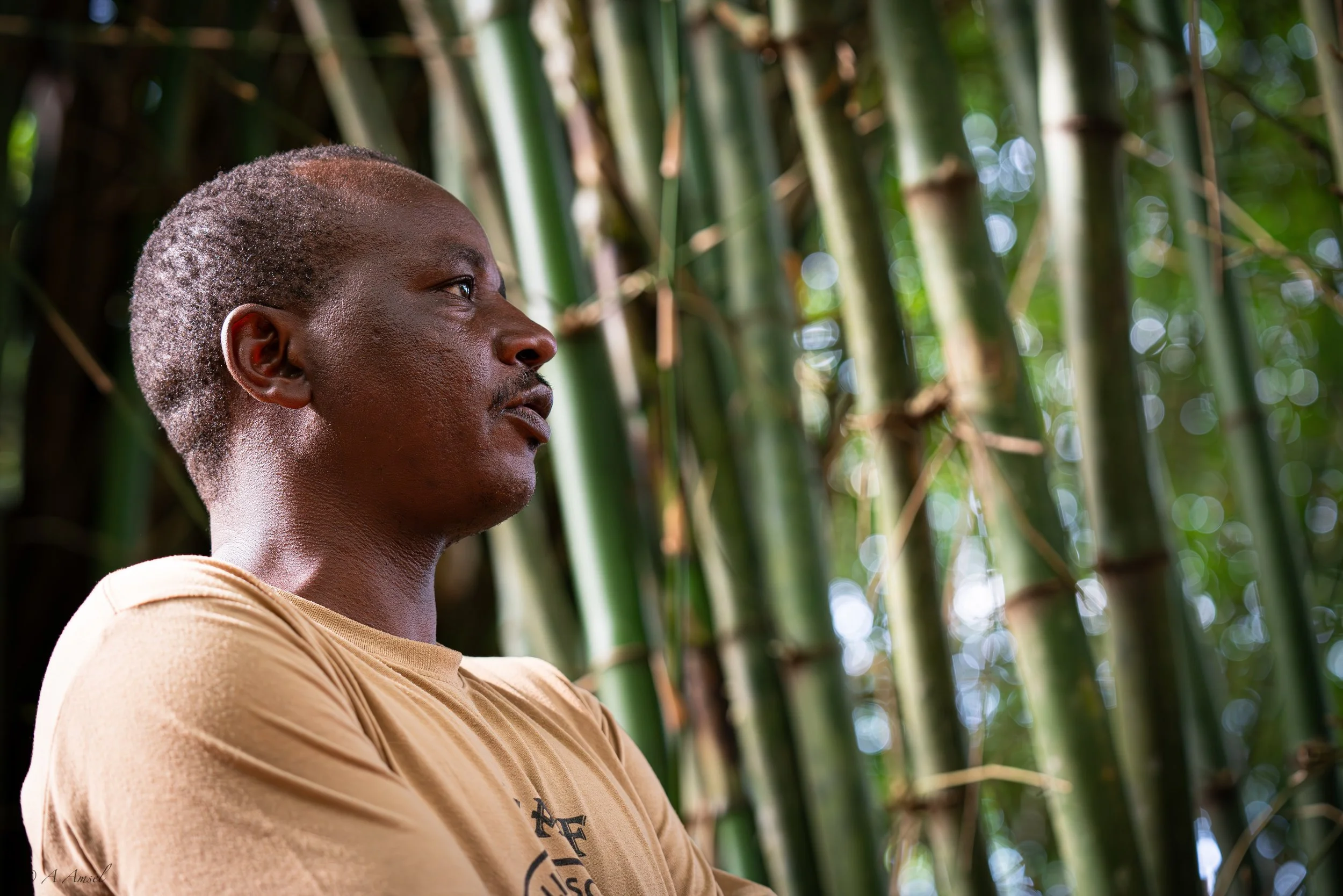
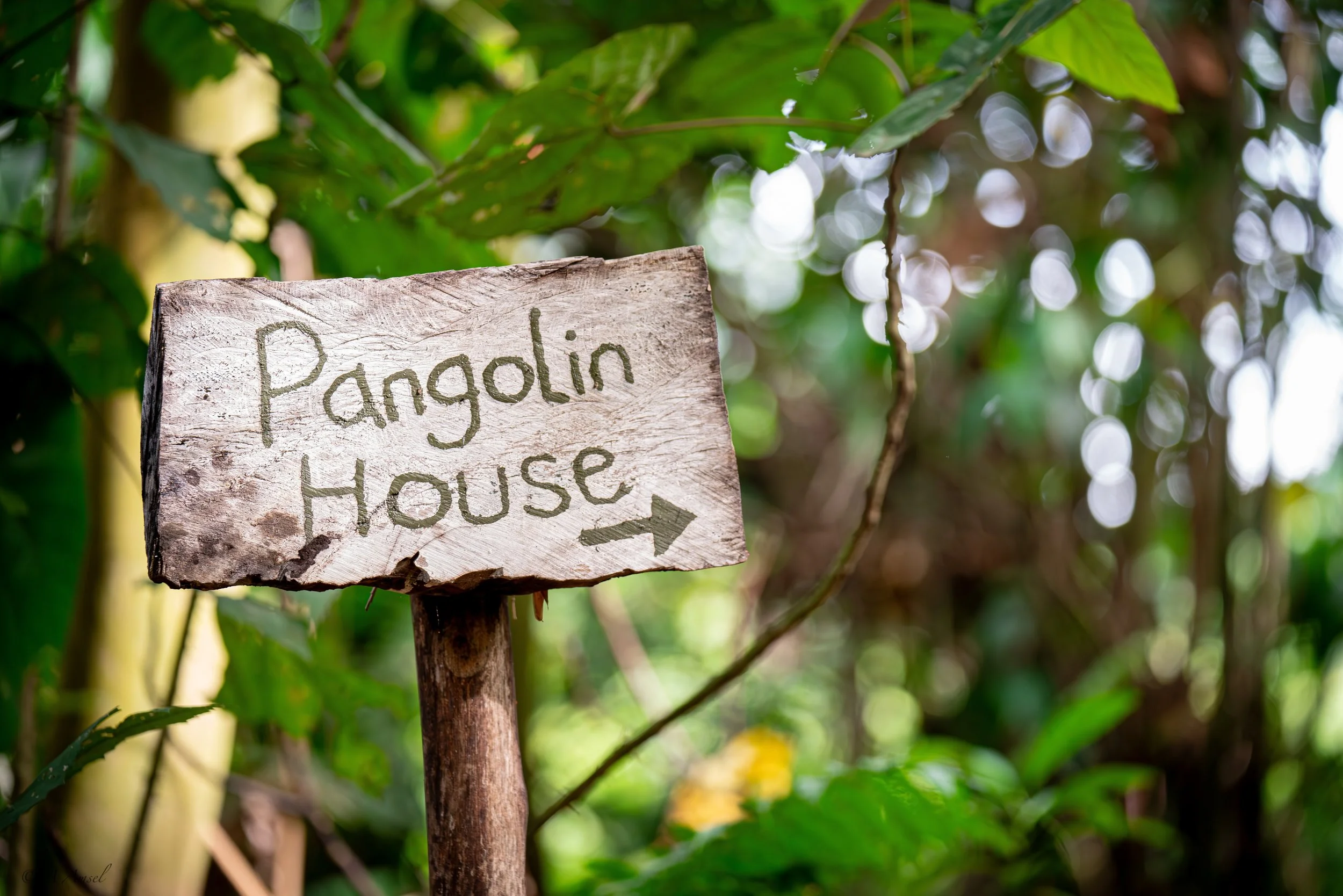
Conservation stories are rarely just about animals—they’re about people. One of the most inspiring efforts in Uganda is led by Moses and his team at the Pangolin Rescue Centre dedicated to rehabilitation, release, and education. To date, they have rehabilitated and released over 180 pangolins, an incredible conservation success story.
Rescuing a pangolin is only the beginning. These animals are highly specialized, prone to stress, and difficult to care for in captivity. The team focuses on:
Proper diet replication
Minimal human handling
Rehabilitation for eventual release into protected habitat
But what truly sets this centre apart is its community-first approach.
Conservation That Supports People
The rescue centre employs former poachers, offering alternative livelihoods and turning lived knowledge into conservation expertise. Beyond direct employment, the centre runs multiple community-based initiatives, including:
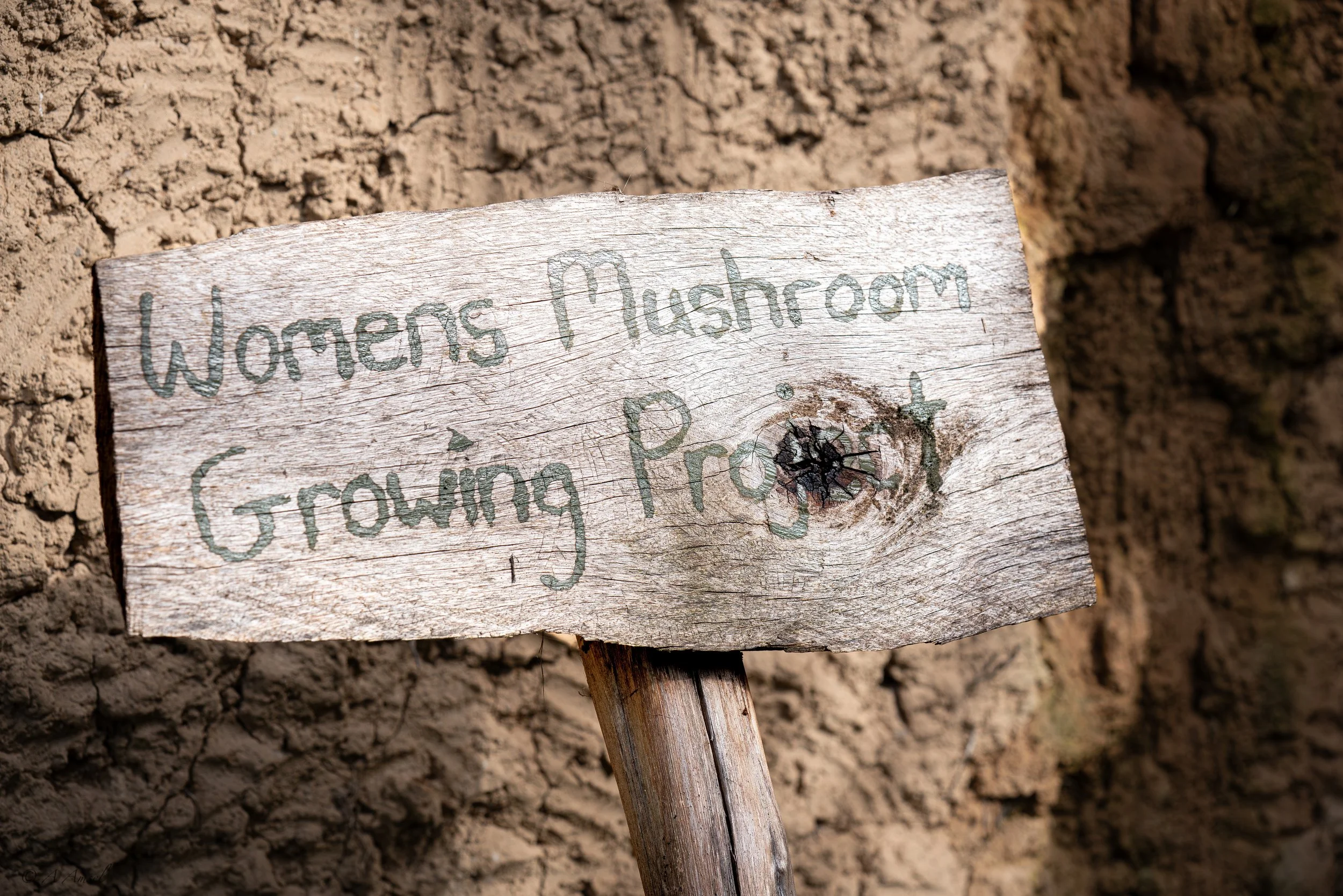
Mushroom-growing projects
Tree planting and habitat restoration
Stocking and maintaining local fish ponds
Dedicated women’s programs that provide income and leadership opportunities
These initiatives reduce reliance on illegal hunting while strengthening local economies. Conservation here isn’t imposed, it’s built collaboratively.
Why Seeing This Matters
Our Uganda expedition includes time supporting and learning from this rescue centre. Participation helps fund ongoing work and amplifies the stories of both pangolins and the people protecting them.
Standing in a forest where pangolins may one day return changes how you think about conservation. It becomes personal. It becomes tangible. Photography and storytelling play a vital role in this process, transforming an often-overlooked animal into one people care about.