
Top 5 Wildlife Photography Mistakes (and How to Avoid Them)
Wildlife photography is one of the most rewarding genres of photography, but it’s also one of the most challenging. Unpredictable subjects, changing light, and the need for patience can make even experienced photographers slip into common mistakes. The good news? Most of these pitfalls are easy to fix once you’re aware of them. Here are five of the most common wildlife photography mistakes and how to avoid them on your next outing.
1. Focusing on Gear, Not your Subject
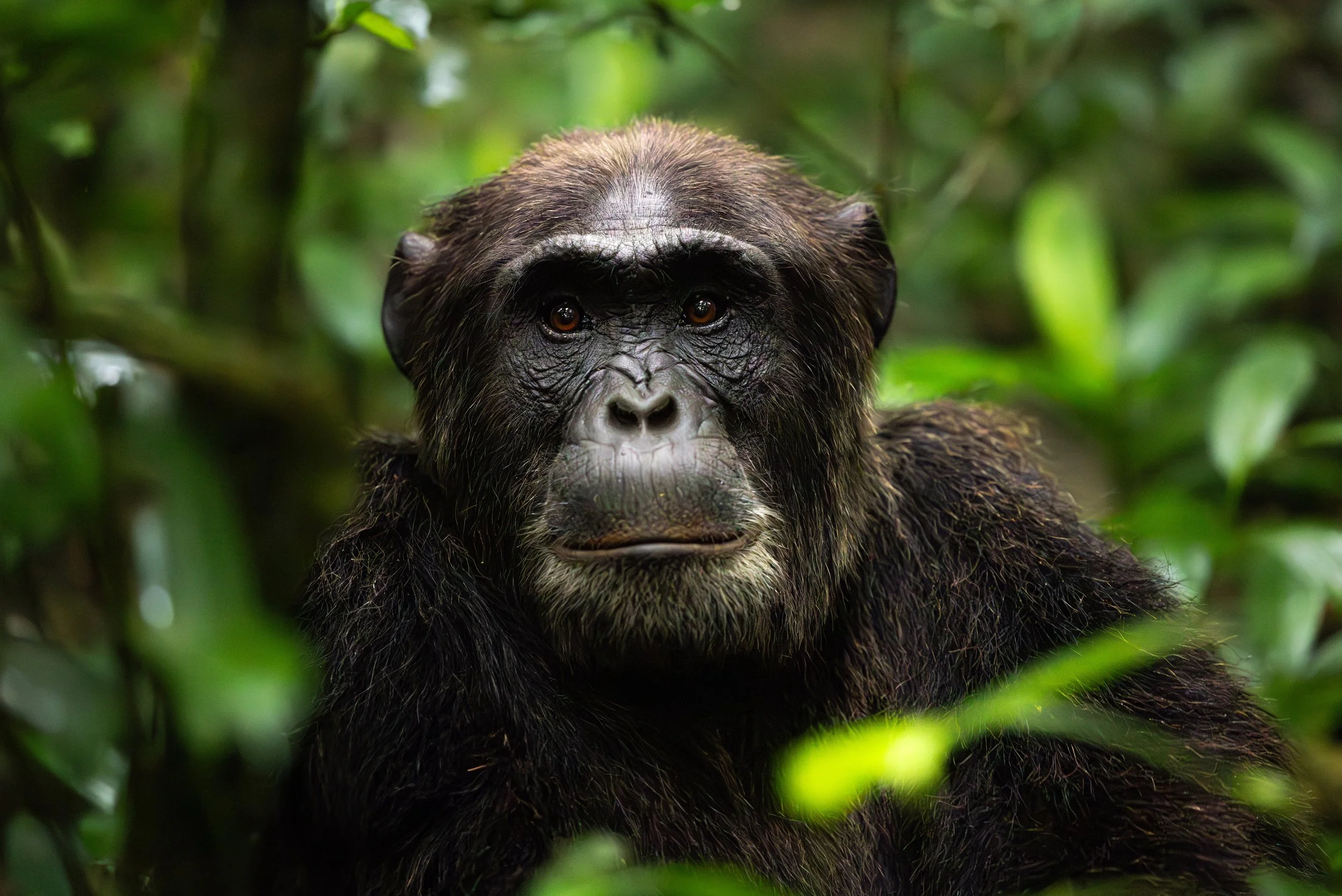
It’s easy to believe that better (or more expensive) gear equals better photos. While having a solid camera and a long lens certainly helps, relying on equipment alone often leads to disappointment. Many photographers spend more time worrying about what they’re shooting with rather than what they’re shooting.
Instead, focus on understanding your subject and the environment. Learn animal behaviour, anticipate movement, and position yourself thoughtfully. A well-composed image with great timing will always stand out more than a technically perfect but uninspired shot.
2. Not Having your Settings Ready
Wildlife moves quickly, and if your camera settings aren’t dialed in, you’ll miss the shot, or end up with blurry results. One of the most common mistakes is using a shutter speed that’s too slow for the subject.
To avoid this, make sure your settings match the situation:
Use a fast shutter speed (e.g., 1/1000 or higher) for moving animals
Adjust ISO as needed to maintain proper exposure
Use continuous autofocus (AF-C/AI Servo) for tracking movement
High-speed continuous shooting helps to capture a sequence of images (especially important for wildlife who change gates, postures etc)
Getting comfortable with your camera before heading into the field makes a huge difference. Practice adjusting settings quickly so you’re ready when the action happens.
3. Poor Planning for your Lighting
Light is everything in photography, yet it’s often overlooked in the excitement of spotting wildlife. Shooting in harsh midday light can result in blown-out highlights, deep shadows, and flat images that lack depth.
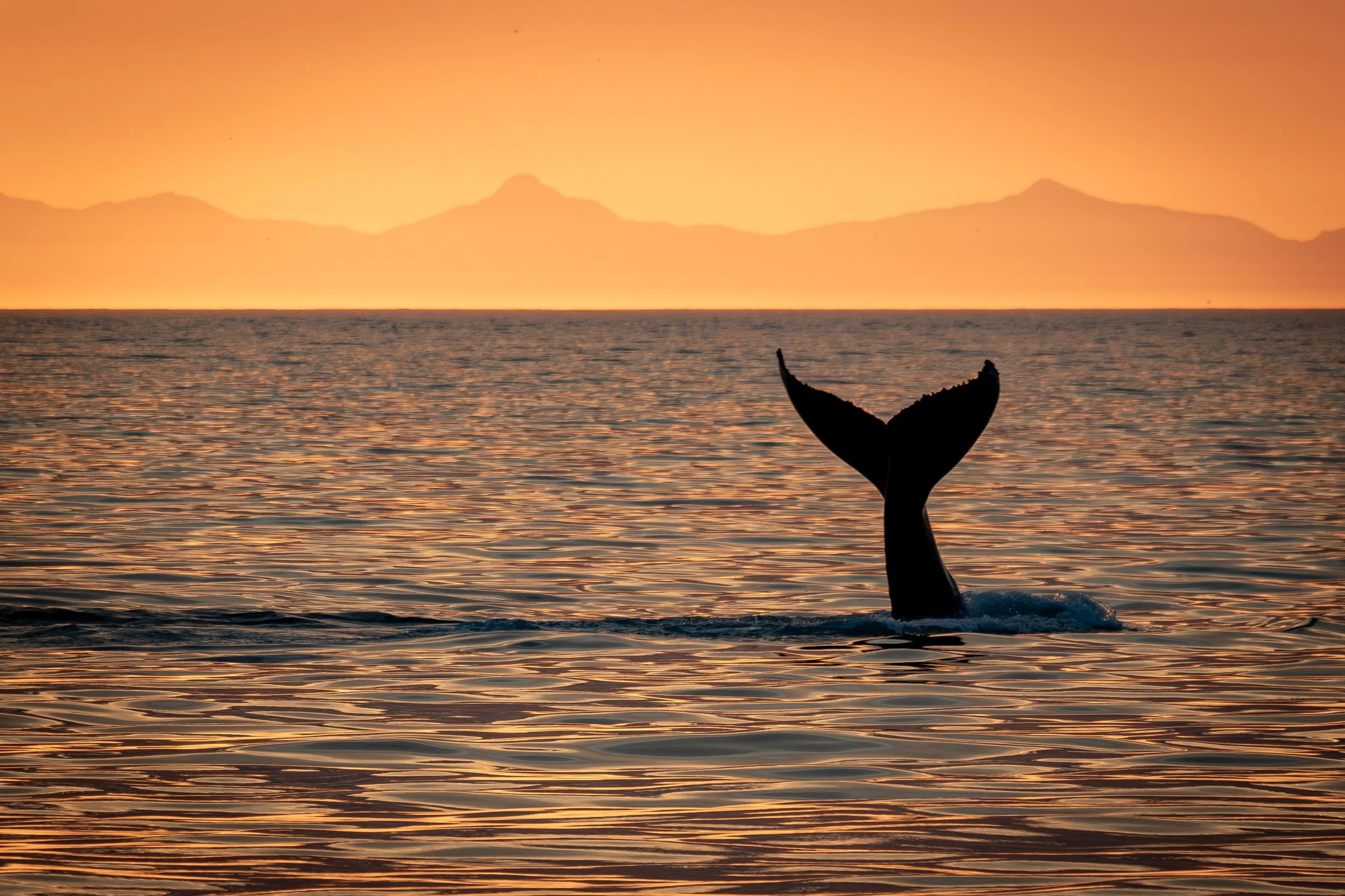
To avoid this, prioritize shooting during the golden hours (early morning and late evening) when the light is softer and more directional. Pay attention to where the light is coming from and try to position yourself so it enhances your subject. Backlighting, for example, can create beautiful rim light around fur or feathers, adding dimension and drama.
4. Ignoring Composition
When an animal appears, the instinct is often to start shooting immediately. It’s the “spray and prey” method, simply believing that taking a bunch of photos, means you will have a good one. While this can capture fleeting moments, it can also lead to cluttered or poorly framed images.
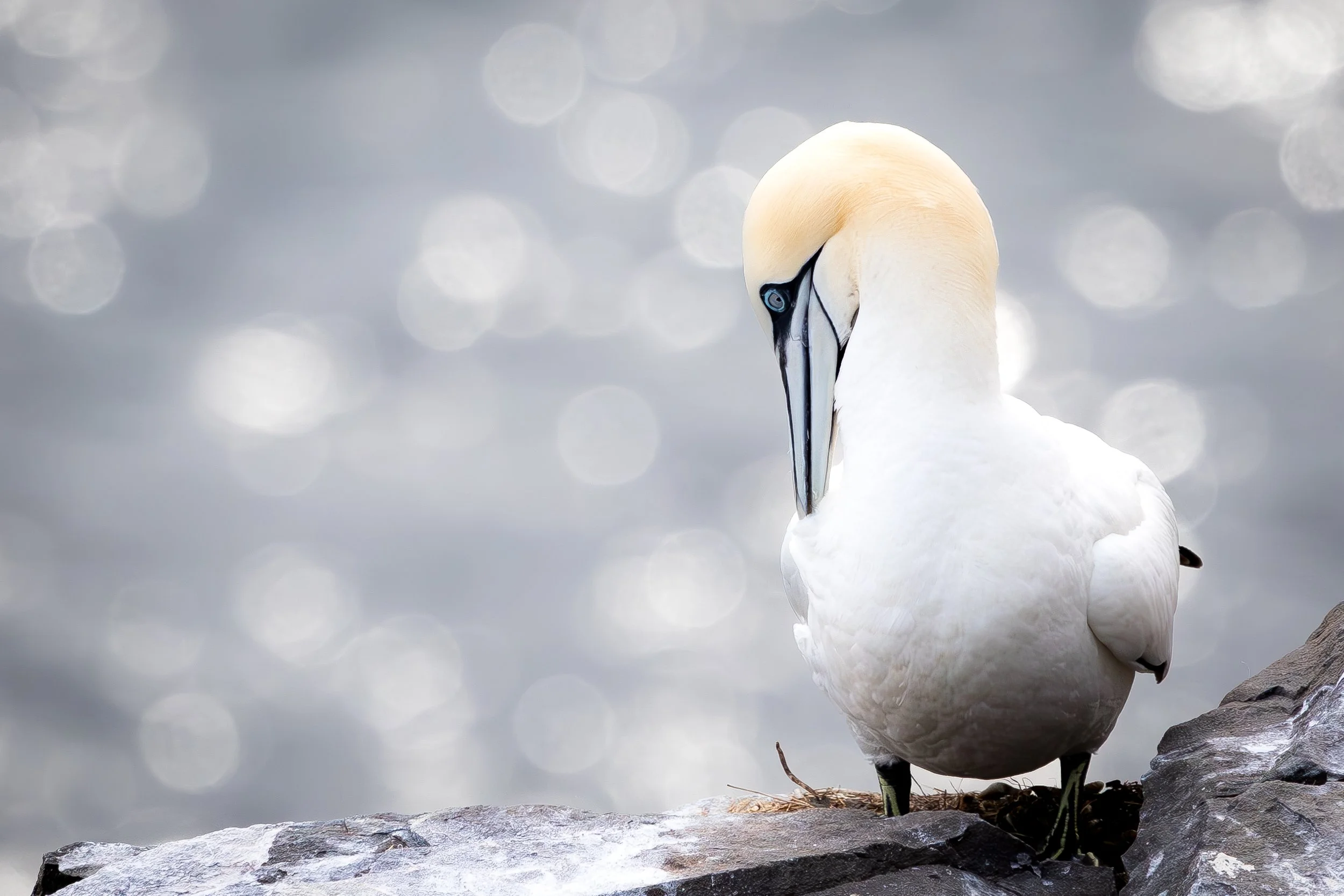
Take a moment, even just a second, to consider your composition. Look at the background, adjust your angle, and think about framing. Simple techniques like the rule of thirds, leading lines, or using negative space can dramatically improve your images without any extra gear.
5. Getting Too Close (or Disturbing Wildlife)
In the pursuit of a great shot, it can be tempting to move closer to your subject. However, this can stress animals, alter their natural behaviour, and even put you at risk. Ethical wildlife photography should always prioritize the well-being of the subject.
Use a longer lens to maintain a safe distance, and observe the animal’s behaviour. If it appears agitated or changes its actions because of your presence, it’s time to back off. Not only is this the responsible approach, but animals behaving naturally will also lead to more authentic and powerful images.
Capturing the Shot
Wildlife photography is as much about patience and awareness as it is about technical skill. By avoiding these common mistakes, focusing too much on gear, ignoring light and composition, mismanaging settings, and getting too close, you’ll dramatically improve your chances of capturing meaningful, memorable images.
The next time you’re out in the field, slow down, observe, and be intentional with every shot. The results will speak for themselves.
All this (and more) is what we teach you on our expeditions. Join us!