Wings & Whales of Newfoundland
June 23 - 30 2027
This 8-day early summer expedition explores Newfoundland’s wild Atlantic edge, where seabird colonies, feeding whales, and rugged coastlines converge at the height of the season. Timed for peak puffin and gannet activity, as well as close-to-shore whale encounters, this journey brings you to iconic locations including Cape St. Mary’s and St. Vincent’s Beach. From dramatic cliffside colonies to intimate coastal encounters with humpbacks and minkes, we’ll photograph one of eastern Canada’s richest marine ecosystems during a brief window when seabirds, whales, and shifting coastal light align.
Wild Atlantic Edge: Raw, Untamed Newfoundland
Experience one of Canada’s most rugged, weather-shaped coastlines, where land and ocean are in constant motion
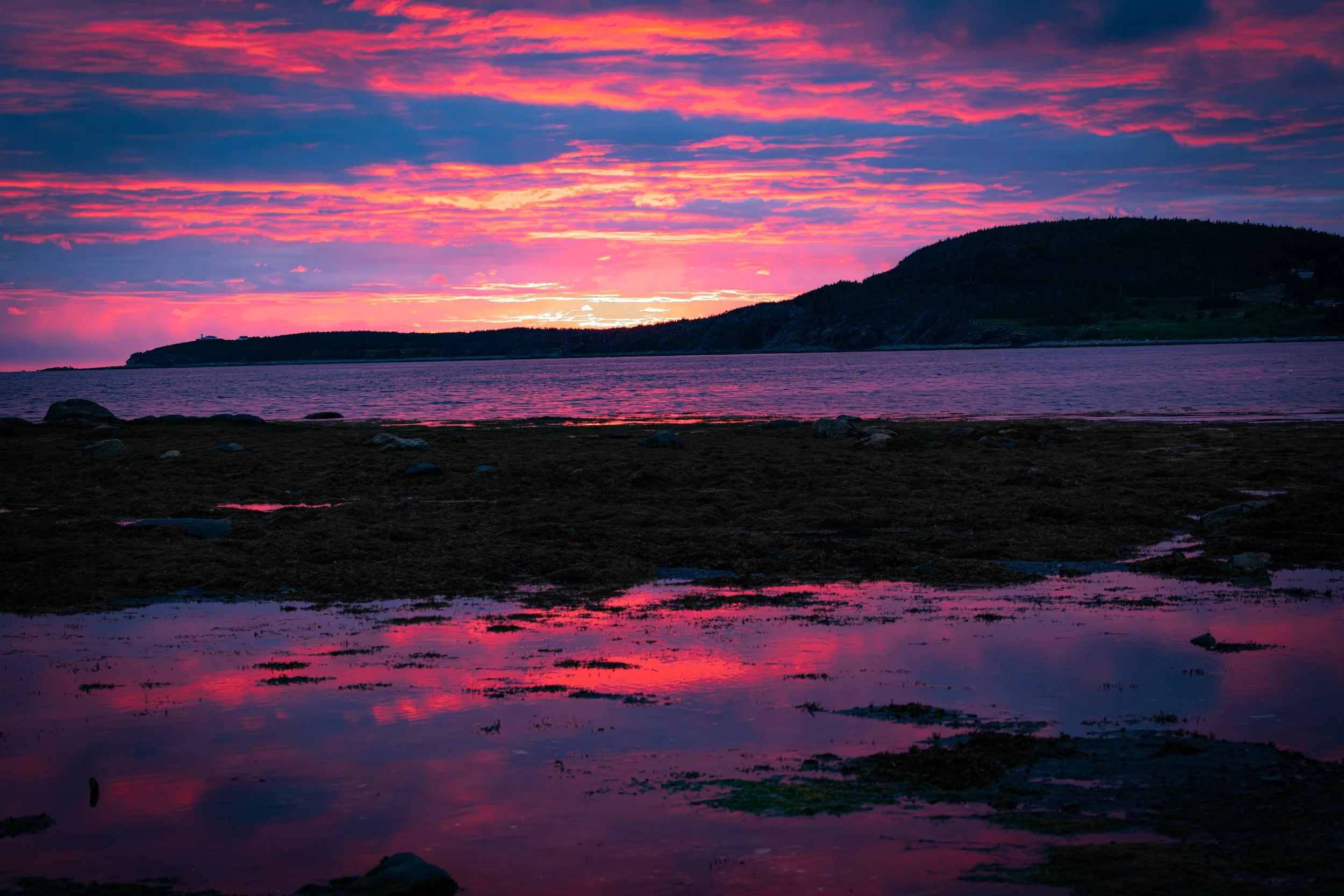
Witness the ever-changing mood of the Atlantic, rolling fog, crashing waves, and light that shifts by the minute
Photograph dramatic cliffs, sea stacks, and open barrens that feel vast, quiet, and untouched
Explore coastal communities where small outports and working harbours add a human element to the landscape
Embrace the unpredictability that makes photographing Newfoundland both challenging and deeply rewarding
Seabird Colonies, Whales & Wildlife Encounters
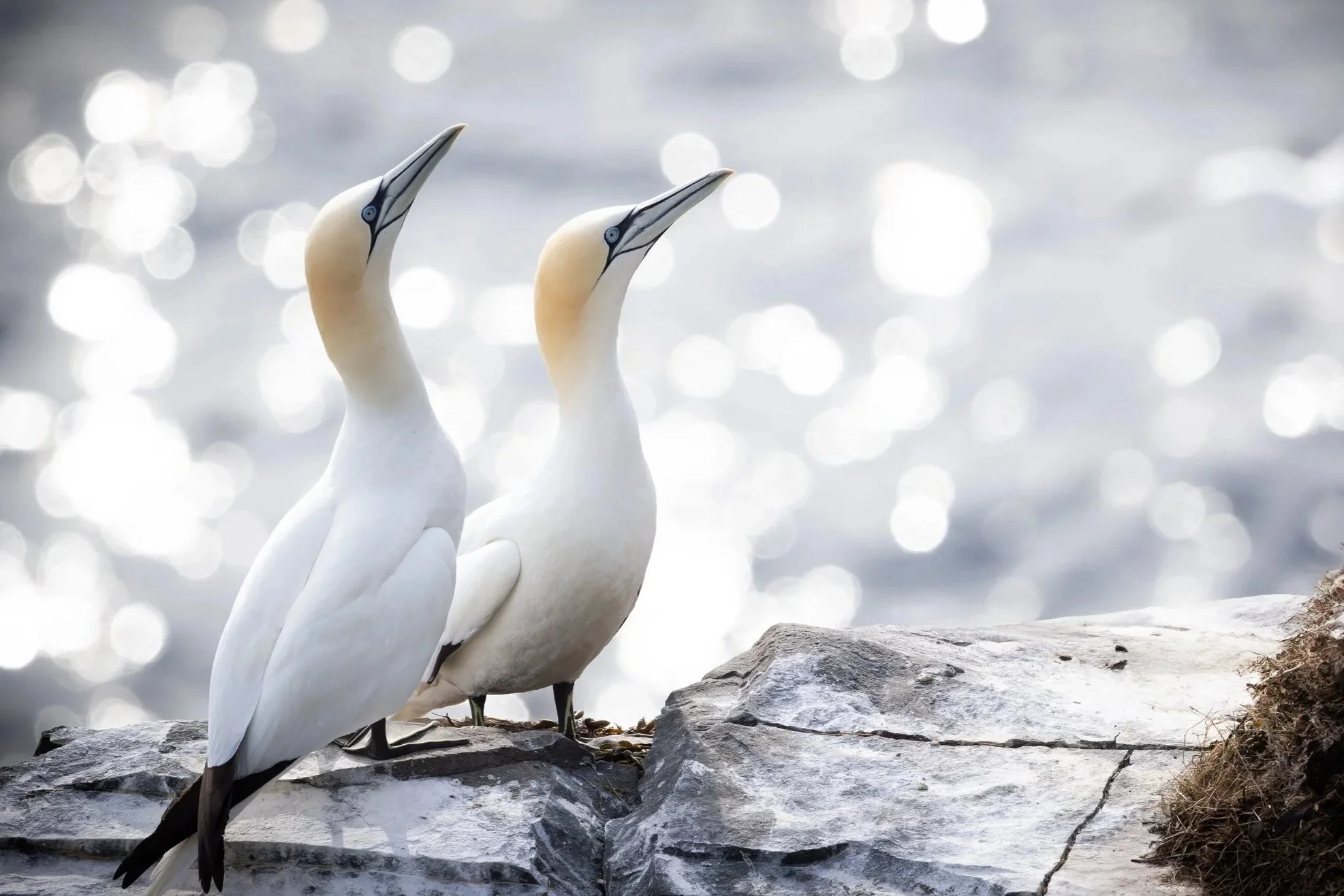
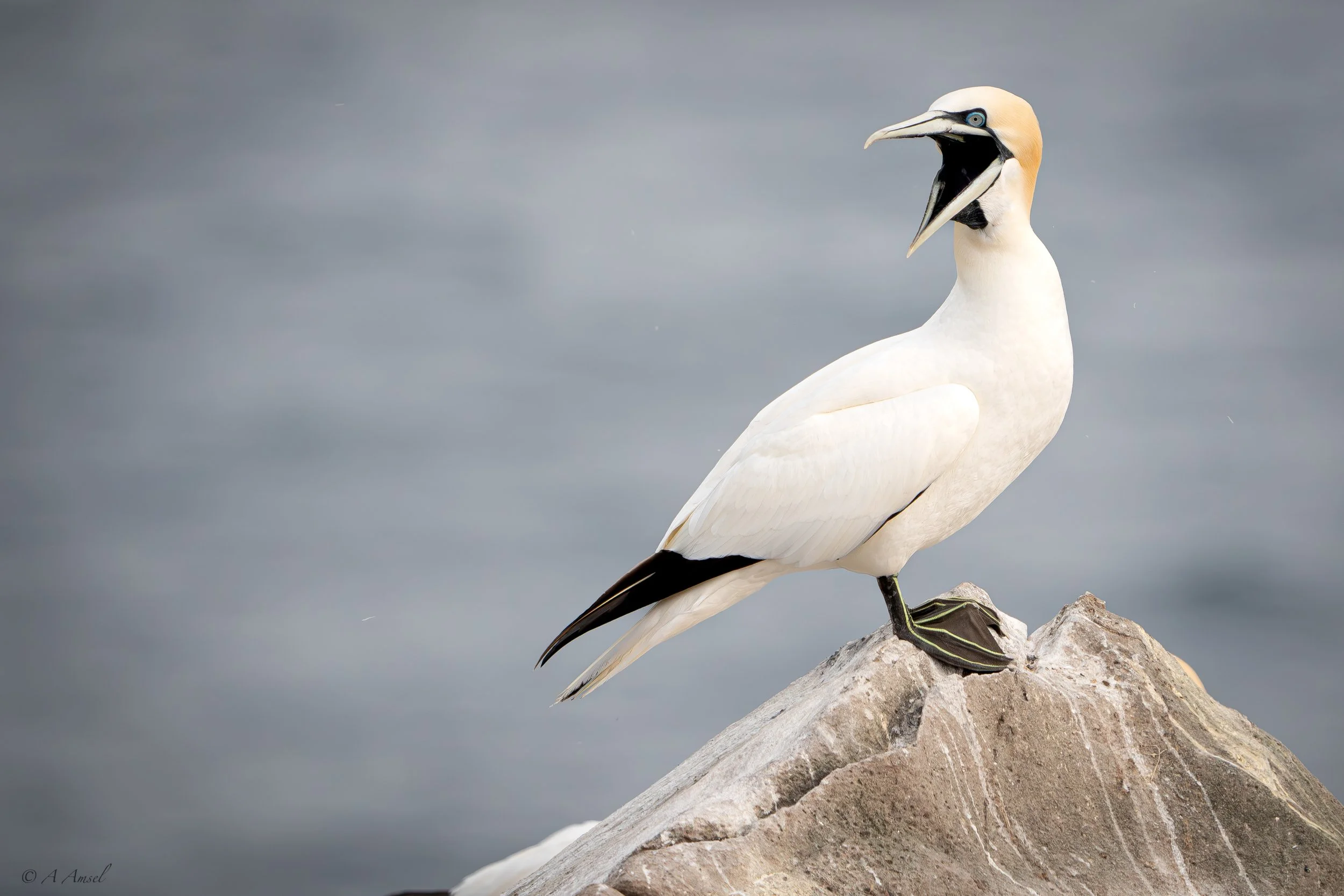
Visit one of North America’s most accessible seabird colonies, and the southernmost and third-largest northern gannet colony on the continent
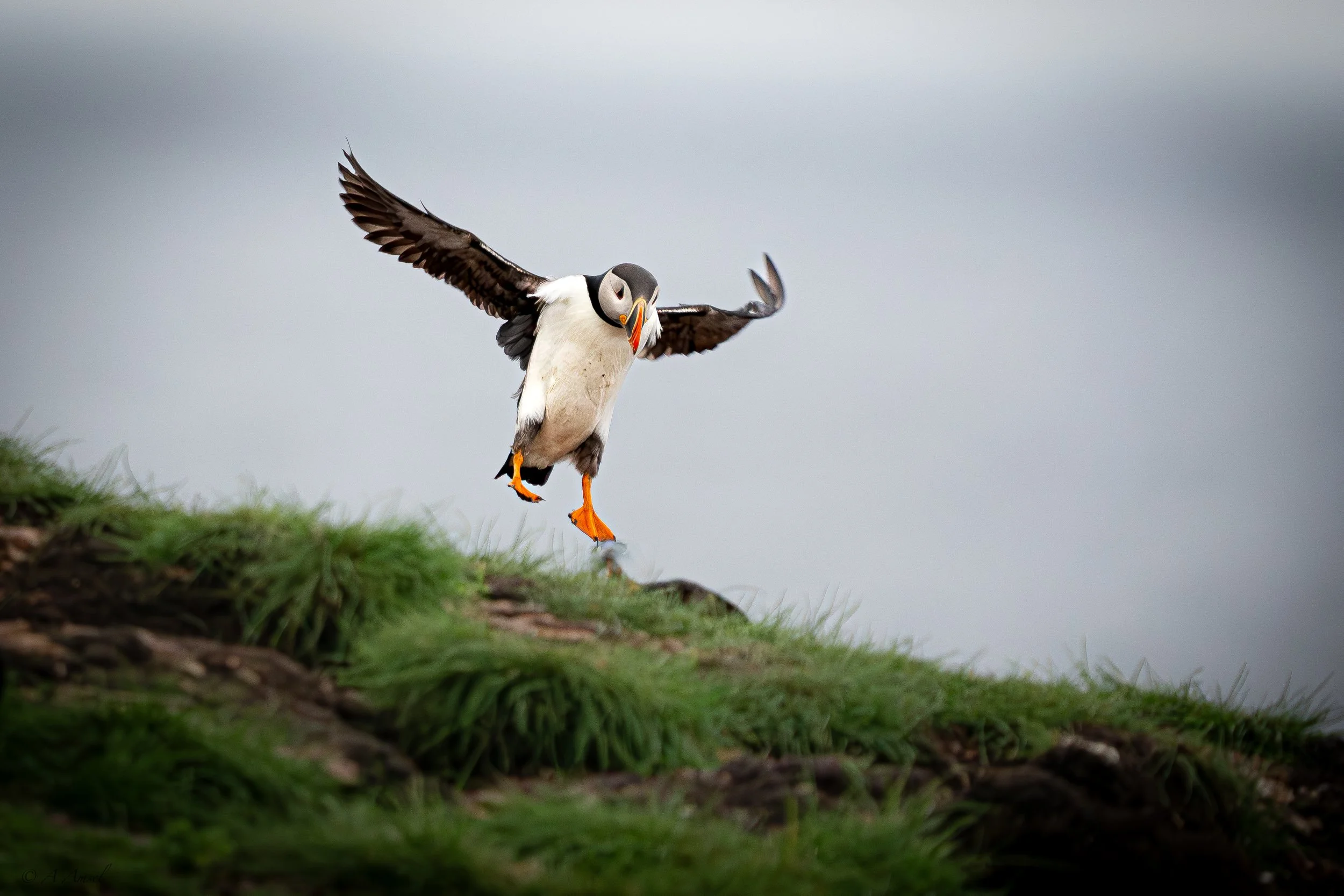
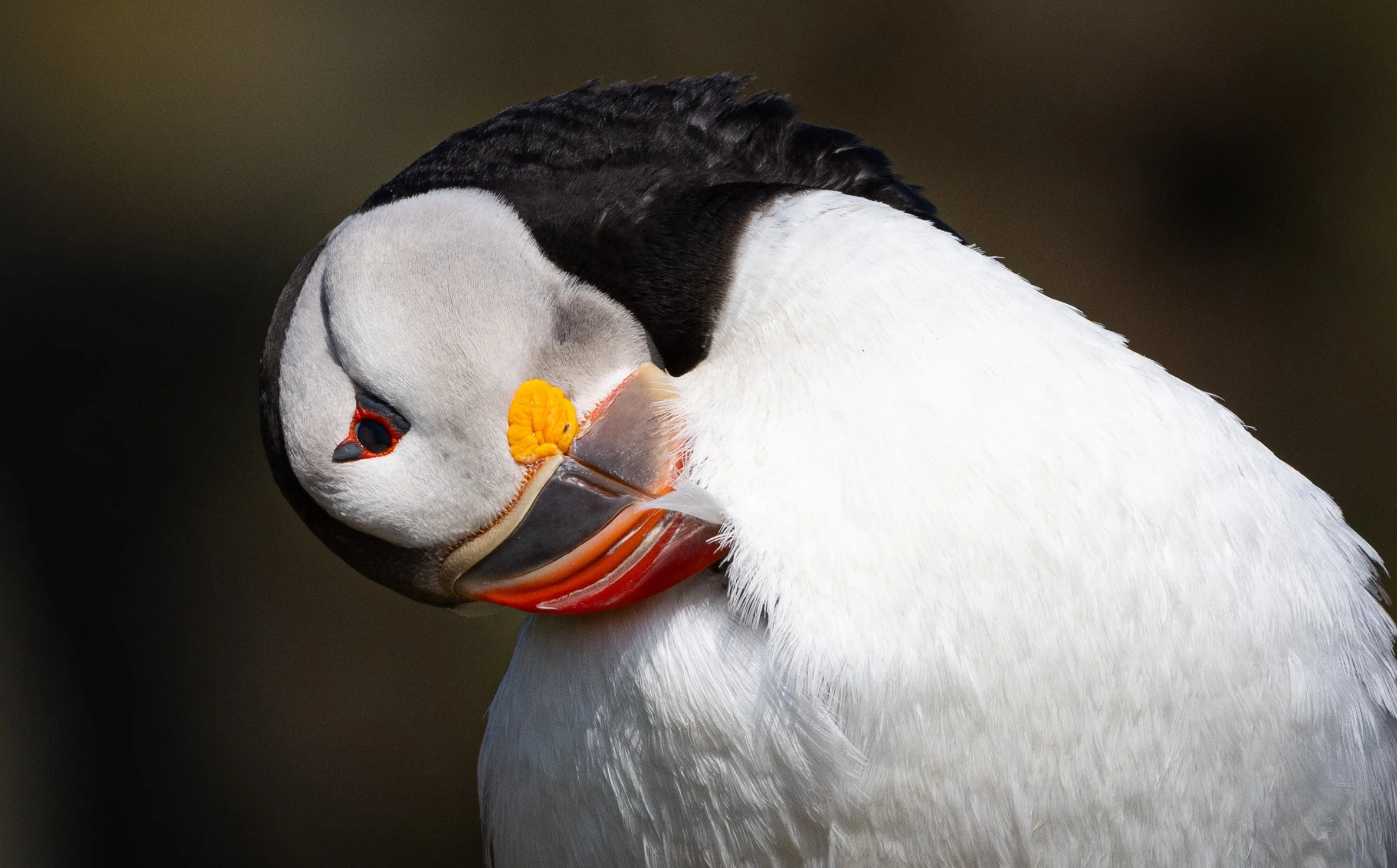
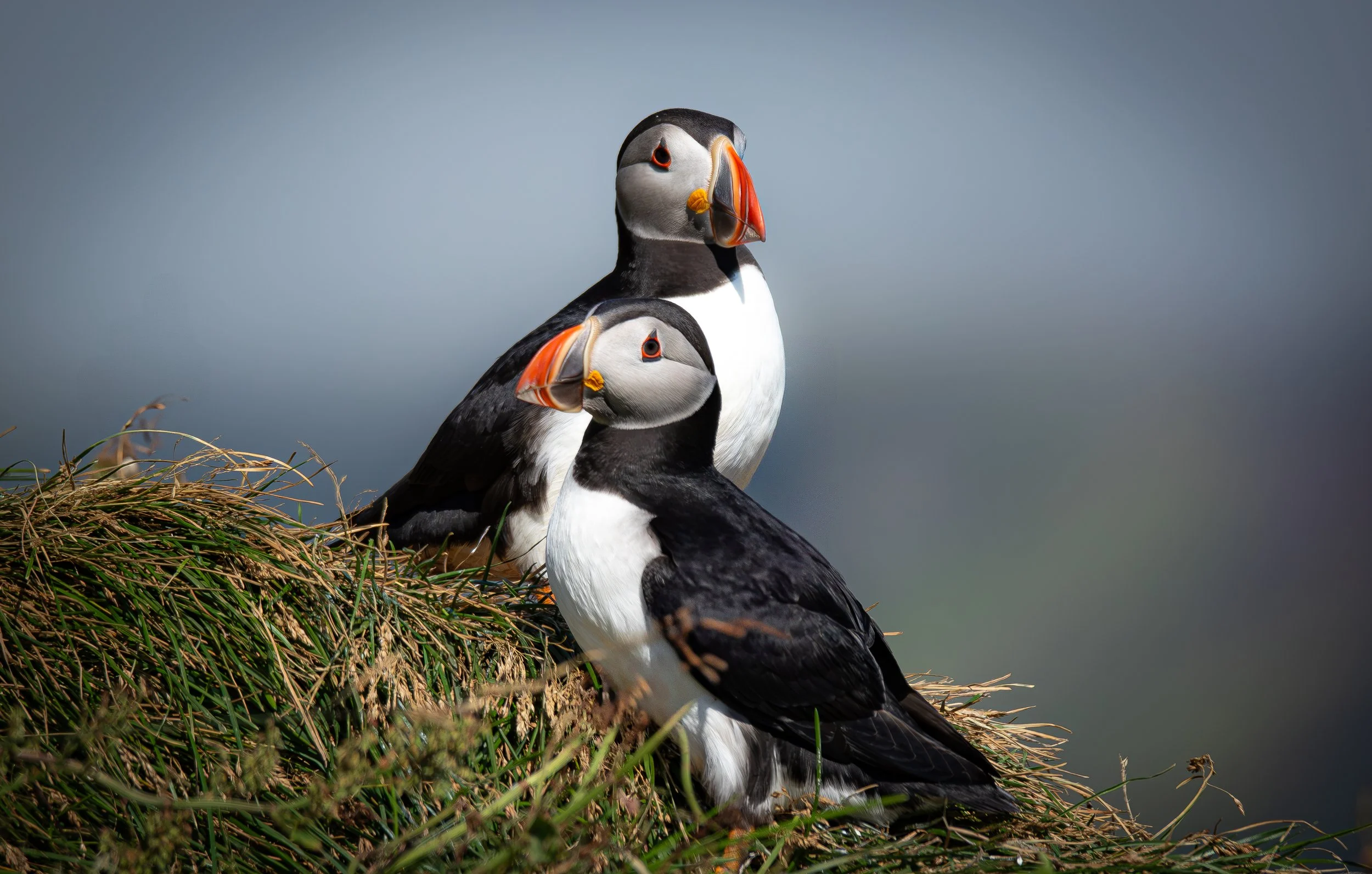
Photograph puffins from land at the closest view of puffins, from the land, in all of North America, as they fly past and land just metres away
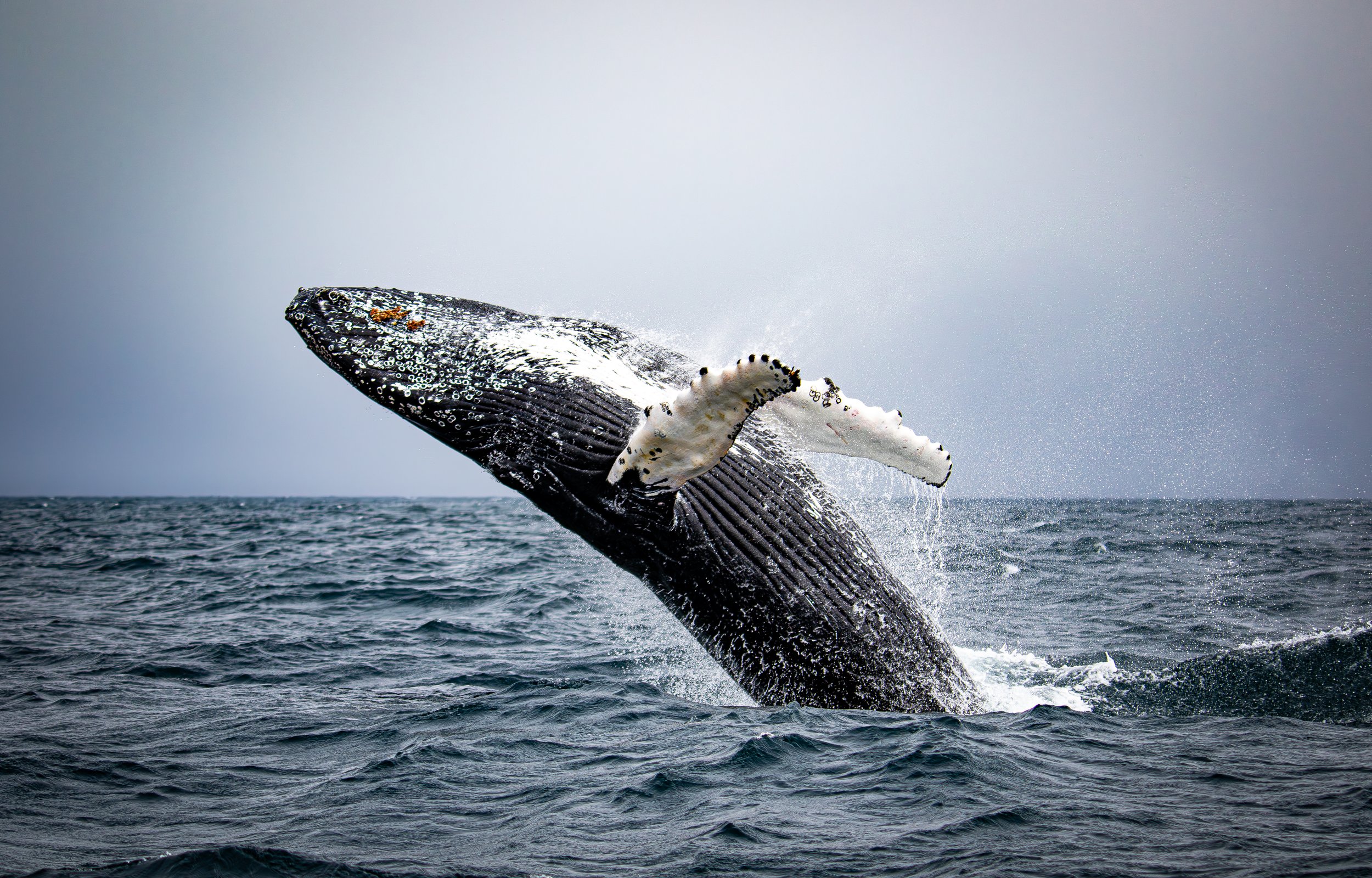
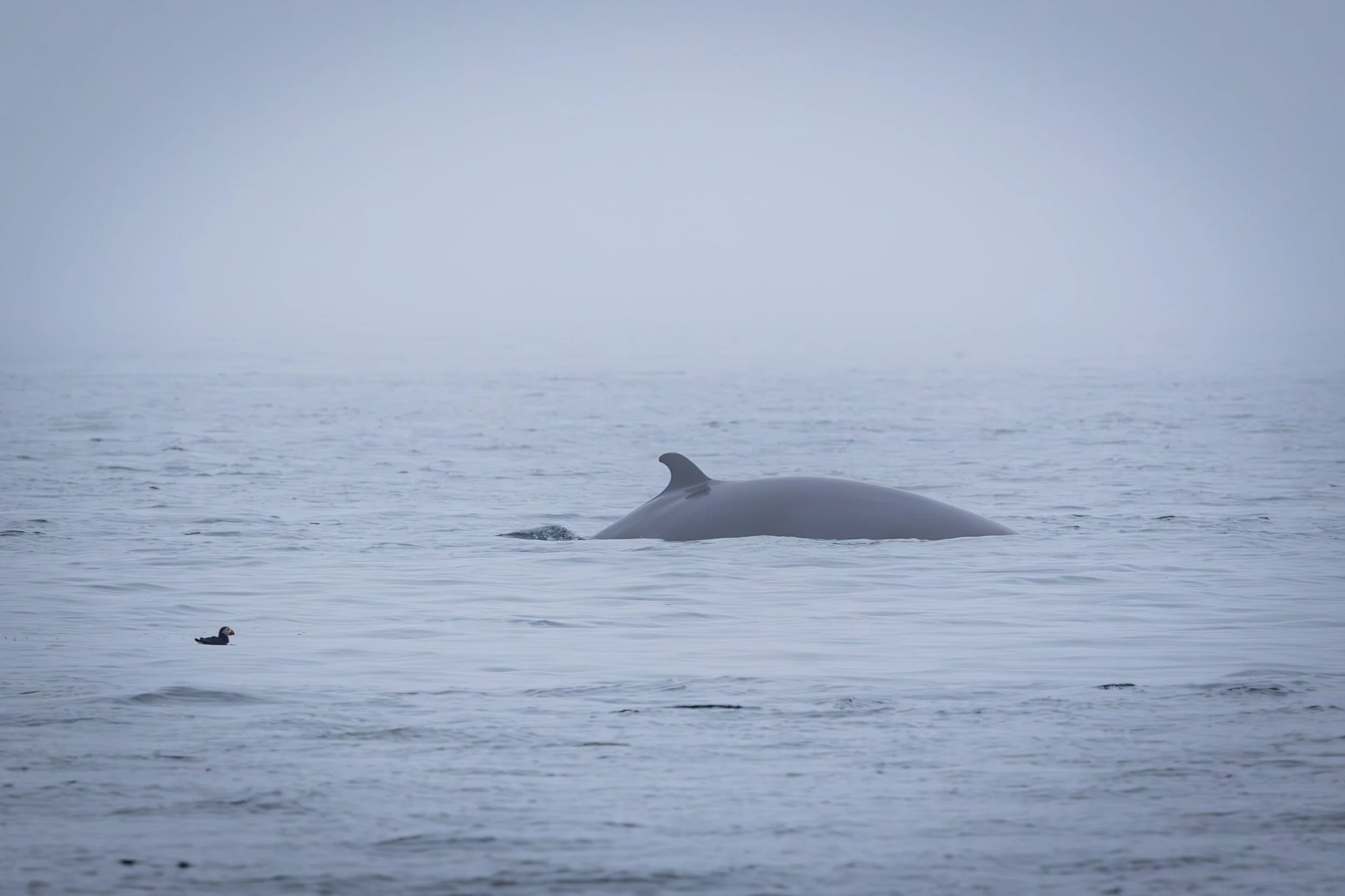
Experience humpback whales feeding just offshore, where deep waters bring them surprisingly close to land during the capelin run
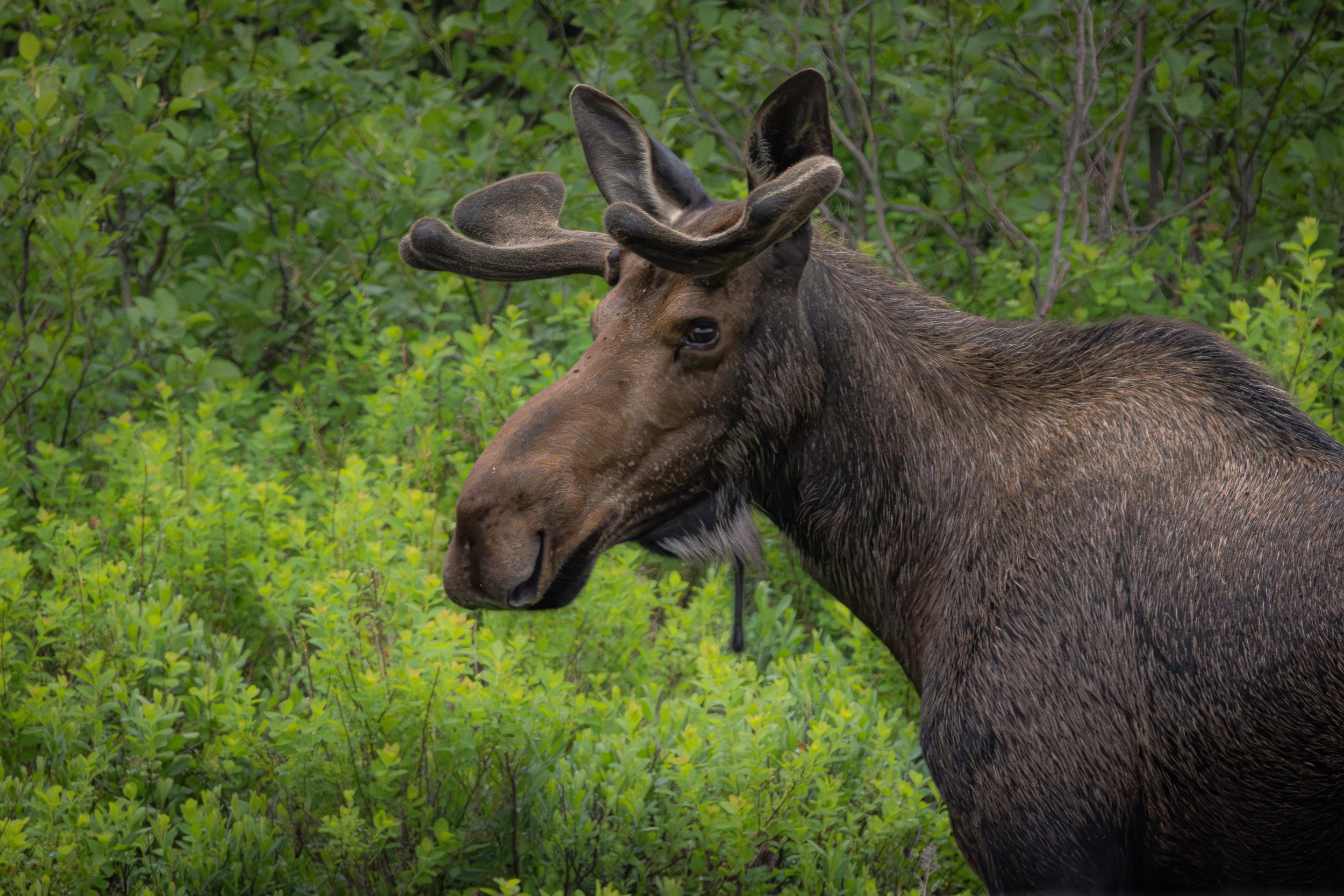
Stay alert for opportunistic wildlife sightings, from moose to foxes, as we move through diverse habitats
Small Group, Big Access
Travel in a small group, allowing for flexibility, spontaneity, and a more personal experience in the field
Spend less time in transit and more time shooting, adapting plans to light, weather, and wildlife activity
Learn from experienced guides with strong backgrounds in wildlife behaviour, helping you anticipate and capture key moments
Enjoy a supportive, collaborative environment with space to ask questions, experiment, and grow
Learn by doing, with guides actively shooting alongside you and offering real-time insight and feedback
Trip Itinerary
Day 1: Welcome to the edge of the Atlantic! Our adventure begins in the colourful and historic city of St. John's. We’ll gather at our hotel for a Welcome Dinner, where we’ll connect as a group, walk through the journey ahead, and set the tone for an inspiring week of photography and exploration.
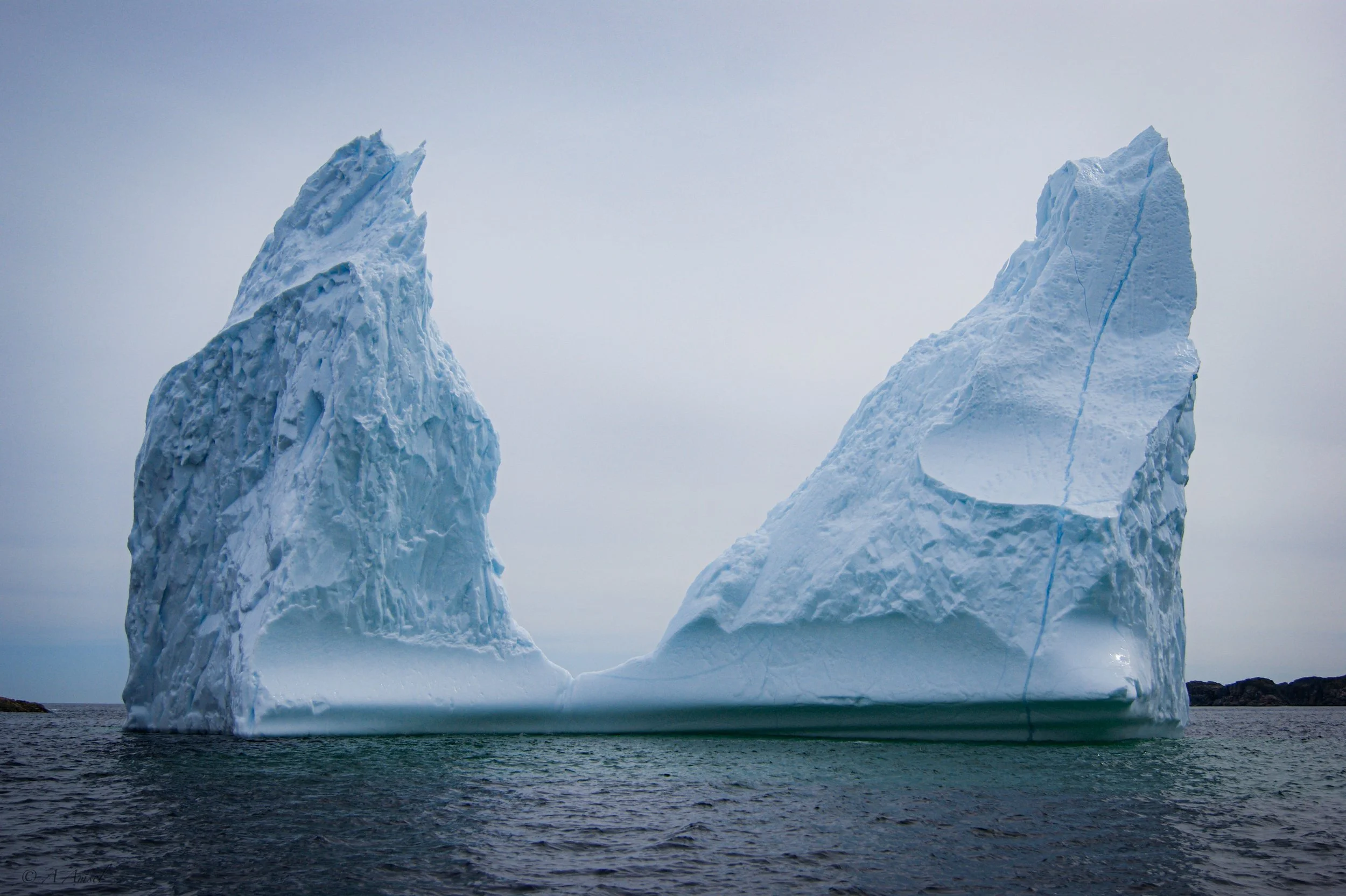
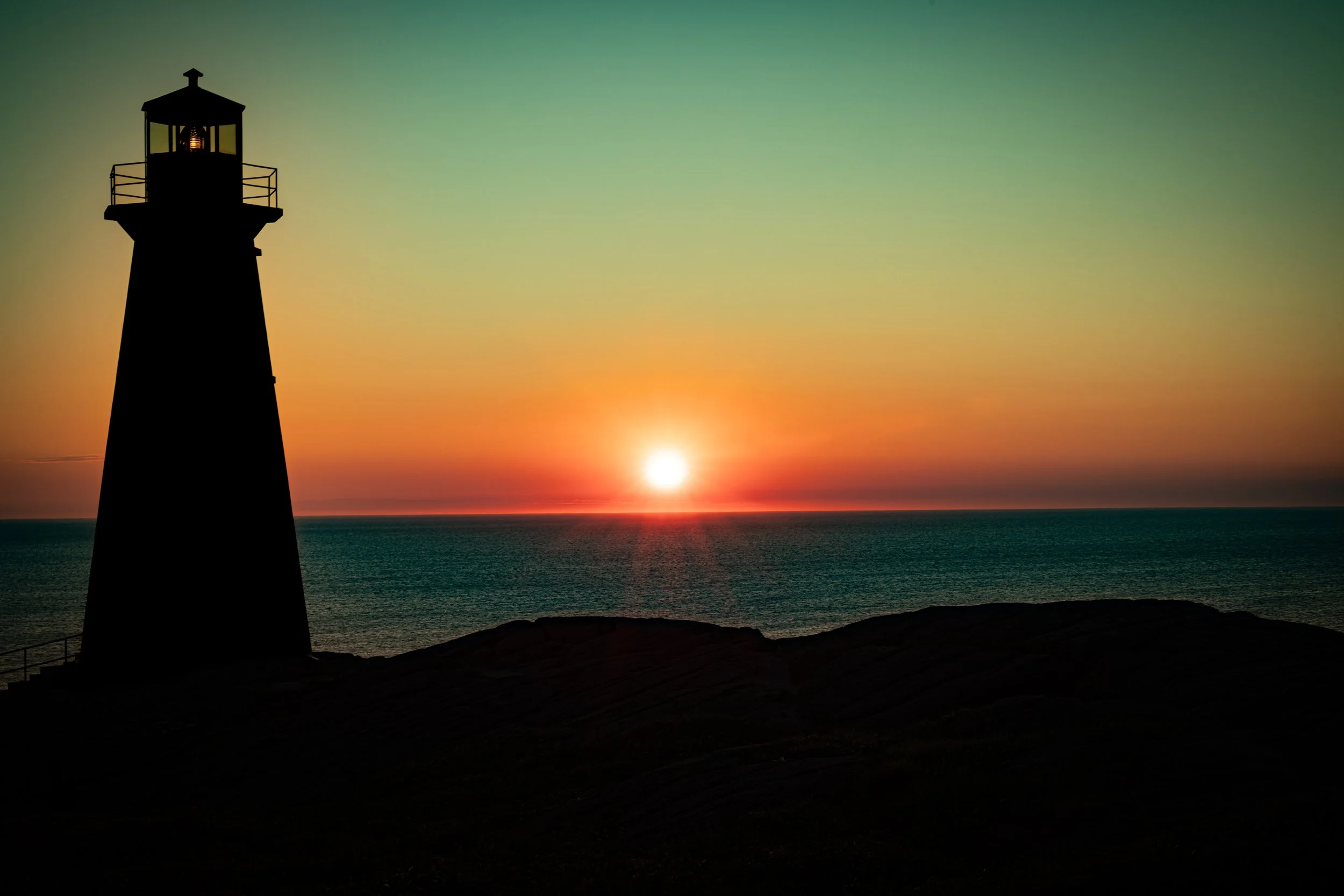
Day 2: We rise early for sunrise at Cape Spear, the easternmost point in North America, and the first place in Canada to greet the morning light. Keep an eye on the horizon here and throughout our week, as early summer can sometimes bring drifting icebergs along this stretch of coast. Later, we’ll explore the Witless Bay Ecological Reserve from land, photographing puffins, seabirds, and (with luck) whales just offshore. As always, we’ll stay alert for additional wildlife sightings.
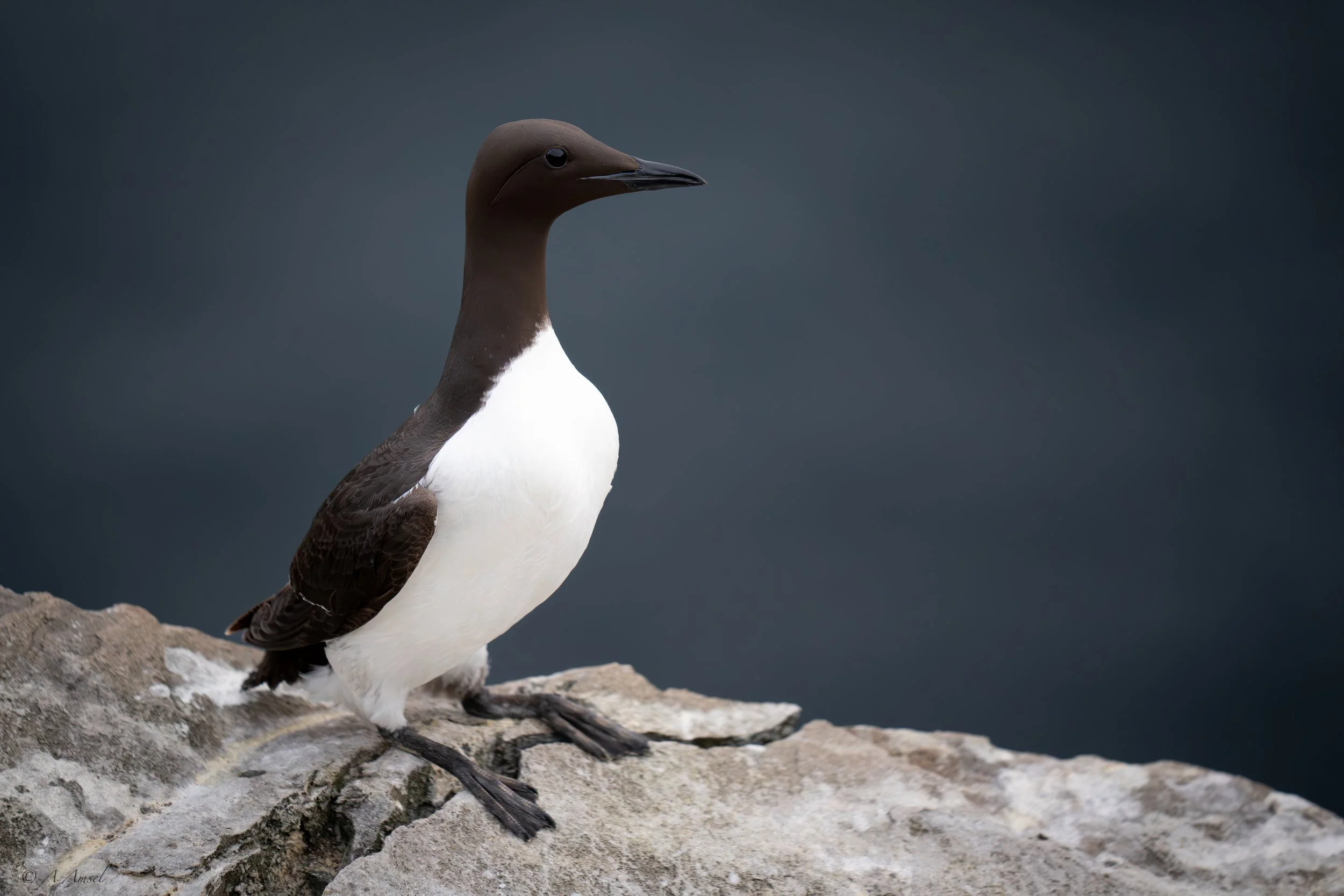
Day 3: After a free morning in St John’s, we leave the city behind and travel south toward the wild landscapes of the Avalon Peninsula. These quieter stretches of road offer our first good chances to spot moose, particularly in boggy or forested areas. By mid-afternoon, we arrive at Cape St. Mary's Ecological Reserve, home to one of North America’s most accessible northern gannet colonies. We’ll spend the afternoon and evening alongside 60,000 gannets in this incredible setting, against dramatic sea stacks and open ocean. Keep your eye out for other species including murres, guillemots, and razorbills. Field dinners allow us to take full advantage of golden hour.
Day 4: An early start brings us to a remote stretch of coastline where deep offshore waters push close to shore, creating ideal conditions for capelin and the humpback whales that follow them. Timing our visit with the capelin run, we may witness whales feeding just beyond the beach, an unforgettable photography experience from land. After a field lunch and a mid-afternoon rest, we return to Cape St. Mary’s for another evening with the gannets. Along the way, we’ll continue scanning for moose and other wildlife moving through the landscape.
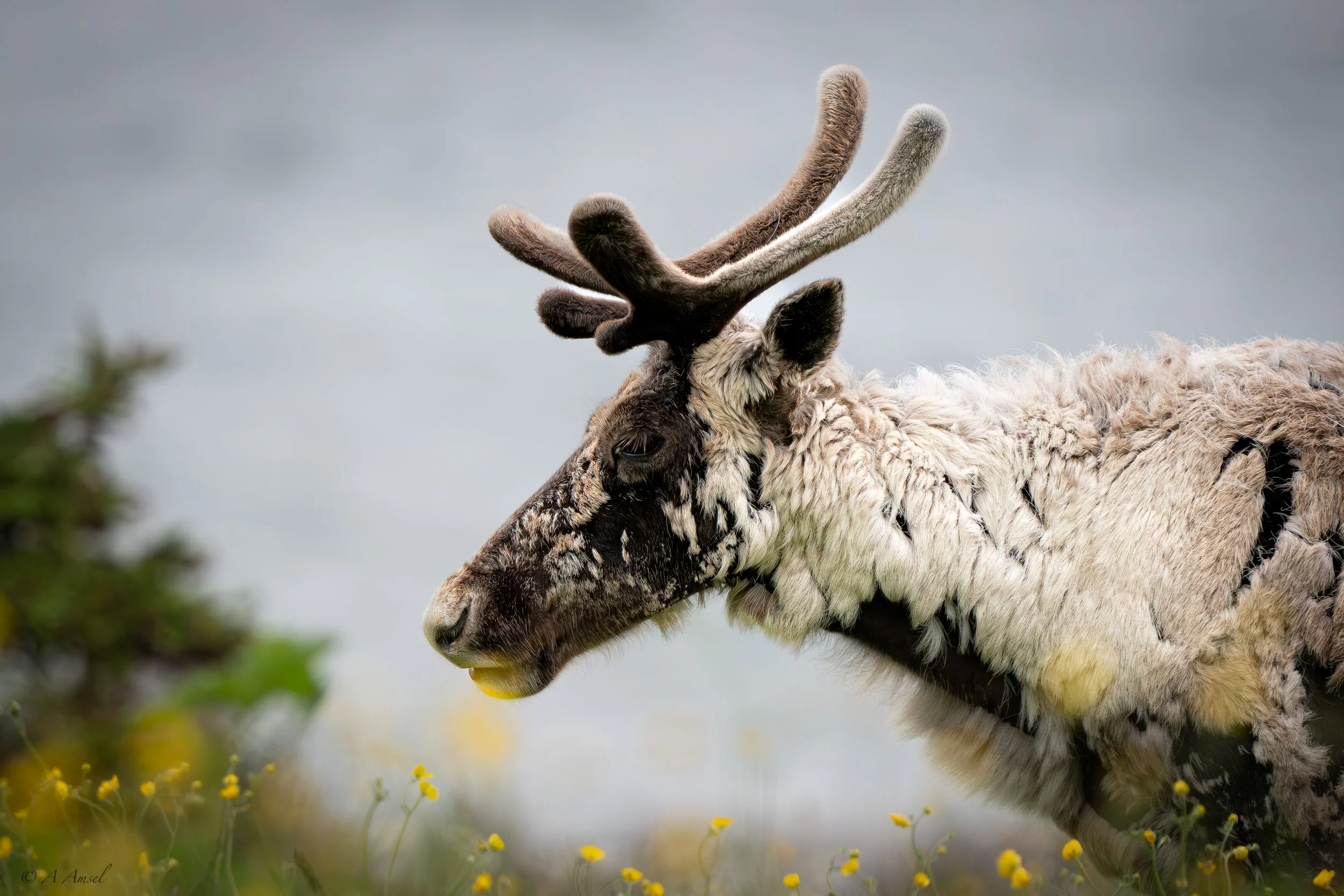
Day 5: This morning, we return for a second opportunity with the whales, building on what we’ve learned and adapting to the conditions of the day. After lunch, we head north toward the scenic town of Trinity. This longer drive takes us through a variety of habitats, increasing our chances of encountering moose, foxes, and possibly caribou in more open inland areas.
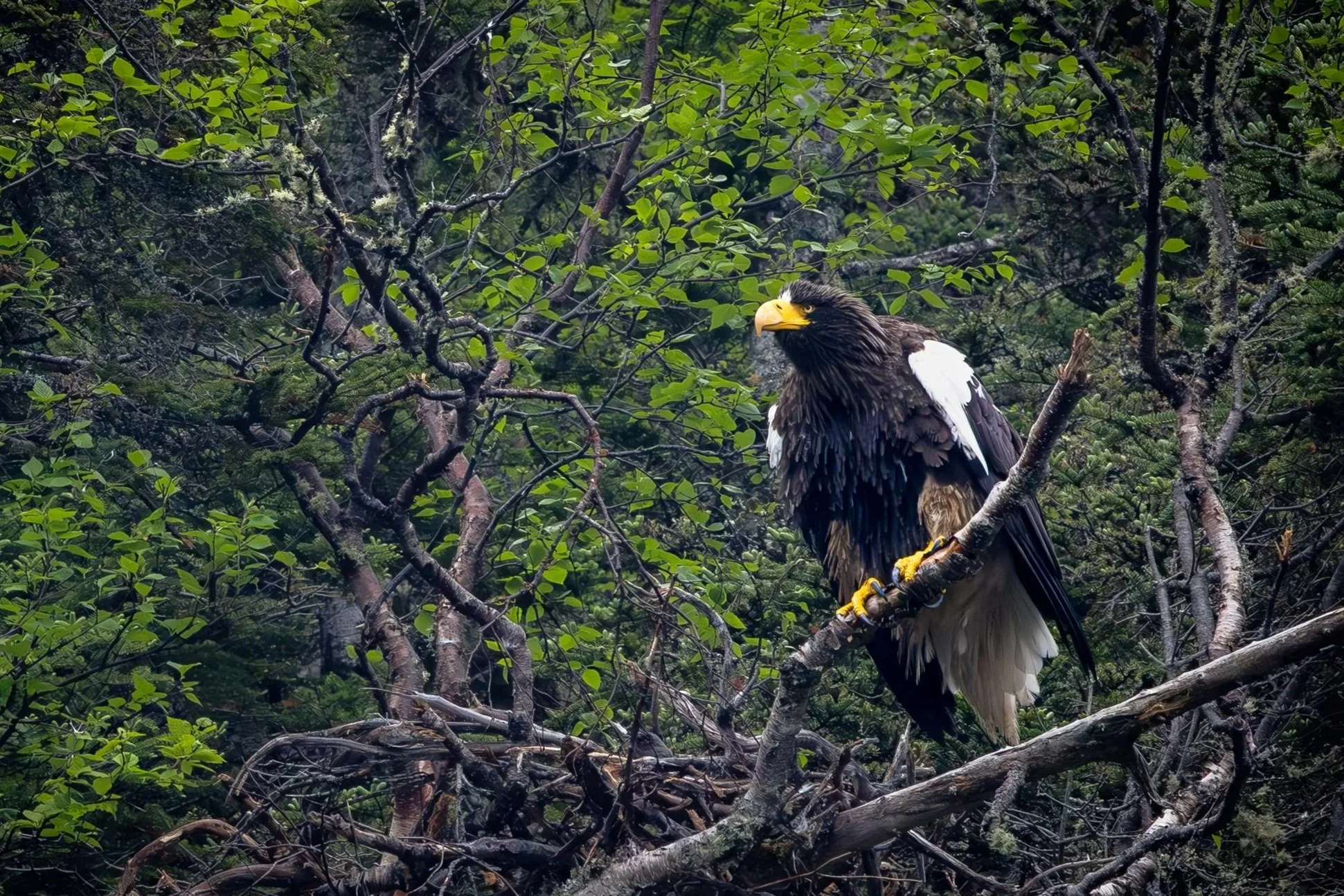
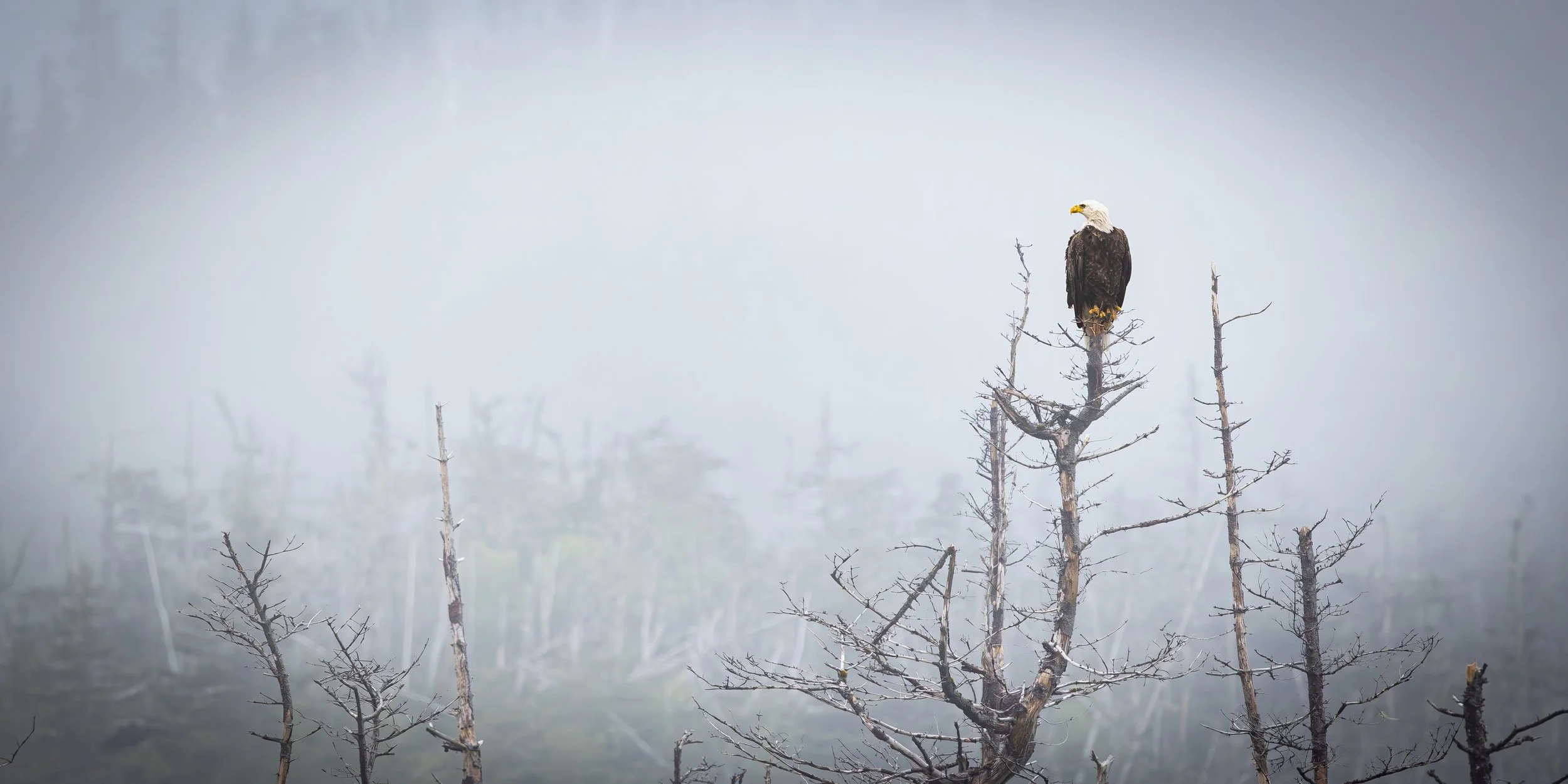
Days 6–7: With two full days to explore the Bonavista Peninsula, we embrace flexibility to make the most of weather, light, and wildlife activity. One morning, we’ll head to Elliston Puffin Colony for a sunrise session with nesting puffins, while also visiting Cape Bonavista Lighthouse and nearby seabird colonies along the cliffs. We’ll also enjoy a private 3-hour wildlife boat tour focused on whales, seabirds, and the chance of locating the Steller’s sea eagle, which has summered in Newfoundland in recent years. We’ll hike sections of the renowned Skerwink Trail, explore nearby gems like Dungeon Provincial Park, and seek out lesser-known viewpoints where sweeping coastal vistas meet dramatic cliffs. With time on our side, we can revisit locations, refine techniques, and watch for icebergs that sometimes drift along this coastline in early summer.
Day 8: We depart Trinity in the morning and make our way back to St. John’s, arriving around midday. With time for afternoon flights, we say our goodbyes, leaving with full memory cards, new skills, and a deeper connection to Newfoundland’s wild coast.
Itinerary may vary depending on weather, wildlife activity, and other external factors. Newfoundland is vast and untamed—long drives, shifting conditions, and unexpected wildlife encounters are all part of the experience.
Where We’ll Go
Our 8-day journey begins and ends in St. John's, exploring the windswept coastlines and rugged landscapes of eastern Newfoundland. Shaped by the North Atlantic, this region is defined by dramatic cliffs, open barrens, and quiet outports where life is closely tied to the sea. We travel through the Avalon Peninsula and north to the Bonavista Peninsula, some of the province’s most photogenic regions. Our approach remains flexible, allowing us to adapt to shifting weather, changing light, and wildlife activity. Newfoundland rewards patience, and having time on our side lets us revisit locations and make the most of each opportunity.
Travel in Newfoundland is part of the experience. Distances can be long, and the roads wind through remote, often sparsely populated landscapes. Along the way, we pass through boreal forest, open barrens, and rugged coastline, each offering its own photographic opportunities. From seabird colonies perched on sheer cliffs to quiet coastal inlets, lighthouse-dotted headlands, and iceberg-strewn horizons this region offers an incredible diversity of subjects. With a small group and an adaptable schedule, we’re able to slow down, follow the light, and fully immerse ourselves in the rhythm of Newfoundland’s wild Atlantic edge.
Photography Skills You’ll Build
Camera & Phone Techniques
Build confidence with your gear by refining exposure, focus modes, and composition. Whether using a camera or phone, you’ll strengthen fundamentals and elevate your overall approach.
Working with Coastal Light & Conditions
Learn to adapt to Newfoundland’s ever-changing weather such as fog, harsh midday sun, soft overcast, and golden evening light. You’ll build confidence adjusting settings on the fly to make the most of dynamic coastal conditions.
Seabirds & Flight Photography
Photograph puffins, gannets, and other seabirds in motion by refining autofocus techniques, shutter speeds, and timing. We’ll focus on capturing sharp, engaging images in fast-paced and often unpredictable situations.
Whales from Shore
Develop techniques for photographing whales from land, including anticipating behaviour, composing for scale, and reacting quickly to fleeting surface activity.
Clean Composition in Busy Landscapes
Coastal environments can be visually complex. You’ll learn how to simplify scenes, manage backgrounds, and use perspective to create strong, intentional compositions in cliffs, colonies, and rugged shorelines.
Landscapes, Icebergs & Atmosphere
From sweeping seascapes to drifting icebergs, we’ll explore how to convey mood and scale using foreground elements, layering, and changing weather to your advantage.
Building a Cohesive Story
Go beyond single images by developing a collection that reflects place and experience. Through group discussions and editing guidance, you’ll learn how to select and refine images into a strong visual narrative.
Trip details
-
Total Cost is $5795CAD (+tax) per person. Due to permit limitations, we allow a maximum of 8 Guests with 2 photography guides.
A non-refundable deposit of $2500CAD (+tax) is due upon booking.
The remaining balance ($3,295 CAD + tax) is due 90 days before your departure date.
Given the nature of our seasonal business and the relatively small window of operation, cancellations within 90 days of departure are non refundable unless the dates in question are able to be filled. We will make every attempt to try and fill your spot in order to issue a full refund (minus a 10% transaction fee), but if unable we reserve the right to keep payment. Travel insurance is required.
-
Our first two nights will be spent at a hotel in downtown St. John’s. Guests travelling together as a couple will share a room, while solo travellers will have their own private room.
During our time on the Avalon Peninsula, we will stay in a private shared accommodation home. Later in the trip, while exploring the Bonavista Peninsula, we will move to a second private shared accommodation home. Each home will include shared bathrooms and access to a full kitchen for preparing meals. Couples travelling together will share a room, while solo travellers will have their own private room.
Depending on group size and availability, the group may be split between multiple homes at either peninsula location. We make every effort to secure properties of similar comfort and quality; however, accommodation options in these regions can be limited, and guests should be comfortable with some variation between properties.
-
Newfoundland cuisine is rooted in fresh seafood, hearty traditional dishes, and simple, satisfying meals shaped by coastal living. However, in smaller communities, restaurant hours can be limited and many close early, so we prefer not to structure our days around reservations when a well-packed sandwich or quick meal is often the best fuel for a productive day outdoors. This flexible approach allows us to stay focused on weather, wildlife activity, and changing light rather than fixed dining schedules.
To better accommodate individual dietary preferences, routines, and budgets, guests will have the option to choose and purchase many of their own meals and snacks (outside of what is outlined in the “What’s Included” section). This style has been very well received on past trips, as it gives everyone the freedom to eat what works best for them.
We’ll make convenient stops at local cafés, bakeries, and markets for grab-and-go options. Our private residence (during days three to eight) are fully equipped with kitchens, giving you the option to prepare your own meals if you prefer. We’ll include grocery stops along the way for anyone who would like to stock up on food and snacks for their stay.
-
Accommodations: Seven nights accommodations, including hotel stays in St. John’s and shared residential homes during the field portion of the trip.
Food: Welcome dinner, 2 breakfasts at the hotel in St. John’s, and 2 lunches
Activities: Full days of guided wildlife viewing, photography instruction, and transportation to all locations.Photography: Hands-on photography workshops and field sessions, led by guides with deep naturalist knowledge and years of on-the-ground experience in the region.
Permits: Applicable permits, park user fees, and First Nations protocol fees. -
Transportation to and from St. John’s.
Travel or cancellation insurance (required; see below for more information),
Accommodation before day one and after day eight (including the final night of day eight),
Alcohol at restaurants
One dinner in St. John’s, and all meals after lunch on day three.
Guide gratuities
-
To arrive in St. John’s, you will fly into St. John’s International Airport, with regular connections via Toronto, Montreal, and Halifax. The airport is approximately a 10-minute drive from downtown, and taxis and rideshare options are readily available.
-
Prior to departure, passengers must have in place, comprehensive insurance coverage including medical and emergency evacuation, trip cancellation and interruption, and baggage insurance - this is at your expense; we will require proof of insurance. Any losses experienced because of incorrect travel planning or not securing adequate insurance will also be the full responsibility of the passenger.
-
This is a soft-adventure photography expedition designed to be accessible and unhurried, with some hiking but significant time in the field.
Travel days can include longer driving distances, sometimes over three hours between regions as we move along Newfoundland’s coastlines. Once on location, we often spend extended periods outdoors (typically 3–5 hours at a time) working with changing light, tides, and wildlife activity.
Participants should be comfortable with a flexible, patient approach to photography, including packing and preparing simple field meals and spending time outdoors in variable conditions.
Weather in Newfoundland is an active part of the experience. Rain, fog, wind, and rapidly changing light are all common, and often create the most compelling photographic conditions. Adaptability is essential, and part of the experience is working with, not against, the elements.
To make the most of optimal light and wildlife behaviour, some outings will take place early in the morning and later in the evening when conditions are best for photography.
Ready to explore Newfoundland?
Have questions or want to learn more about this trip? Contact us anytime. We’re happy to provide additional details and help you plan your experience.