
How to Photograph Birds in Flight: Five Tips for Sharper, More Dynamic Images
Few wildlife photography moments are more exciting than capturing a bird in flight. Whether it is an eagle launching from a perch, a gannet powering through the air, or a tiny songbird darting between branches, birds in flight are fast, unpredictable, and constantly changing. Getting that perfect frame takes more than a fast camera, it takes preparation, patience, and an understanding of your subject.
1. Be in the Right Place at the Right Time
The first step to photographing birds in flight happens before you even pick up your camera. Put yourself somewhere that gives you opportunities for the behaviour you want to photograph.
Think about where birds are likely to fly. Feeding areas, shorelines, wetlands, nesting colonies, rivers, and roosting sites can all be productive. Position yourself with the light behind you or to your side when possible, and consider the direction the birds are likely to travel.
Sometimes the best photography is simply about being patient. If you find a location where birds regularly fly past, spend some time there rather than constantly moving. The more time you give yourself, the more opportunities you create.
2. Learn Your Subject
One of the biggest advantages you can give yourself is knowing what your bird is about to do.
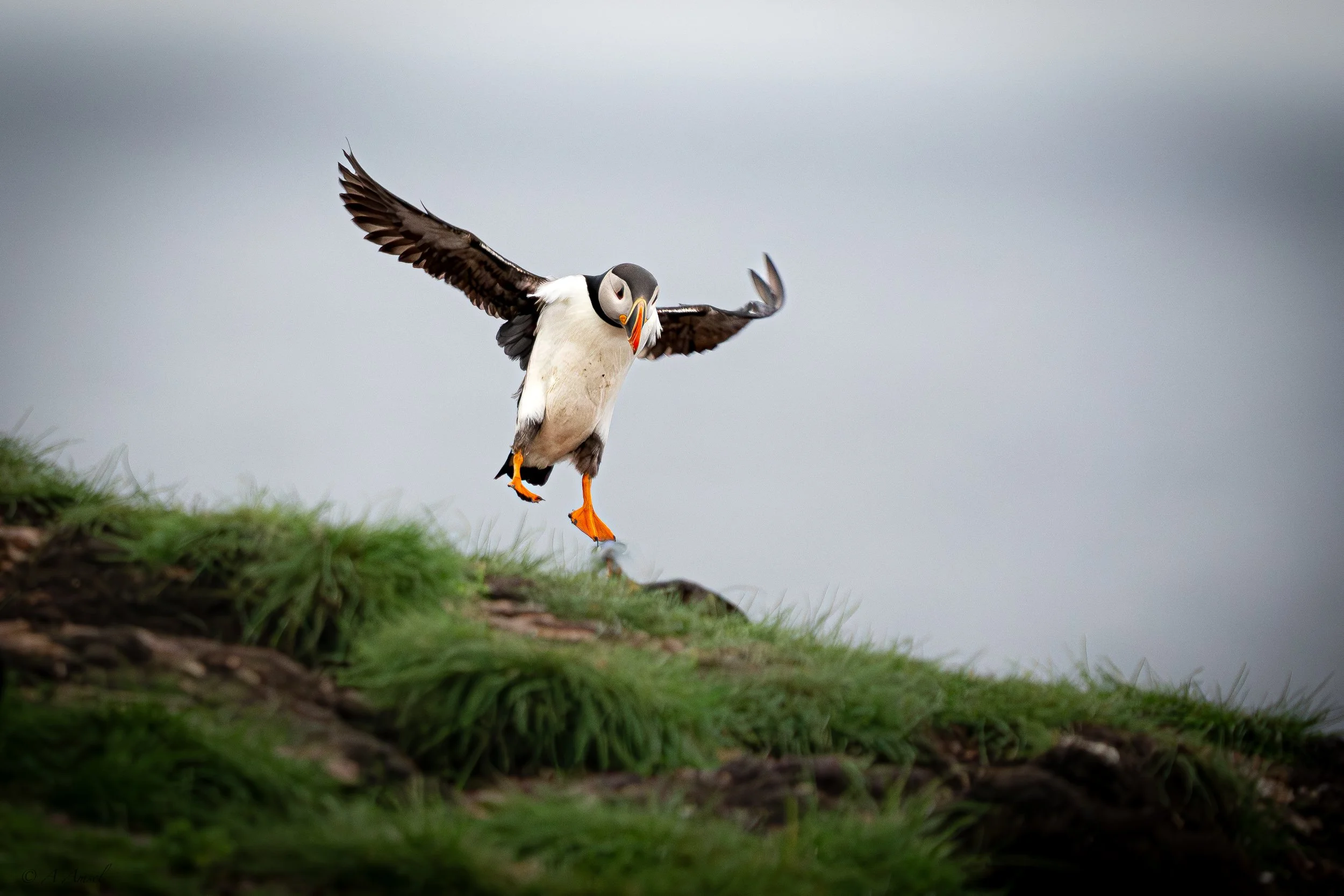
Spend some time watching before worrying about taking photographs. Does the bird repeatedly launch from the same perch? Does it circle before landing? Does it shake its feathers before taking off? Does it fly towards a particular feeding area?
These behavioural patterns allow you to predict the photograph rather than simply react to it. If you see an eagle repeatedly taking off from the same tree, for example, you can pre-position yourself and be ready before the bird launches.
Learning your subject also helps you anticipate moments when wings will be fully extended, feet will be tucked beneath the body, or a bird will turn towards the camera. The more familiar you become with its behaviour, the more intentional your photographs become.
3. Choose a Fast Shutter Speed
A fast shutter speed is essential for freezing movement, but there is no single setting that works for every bird.
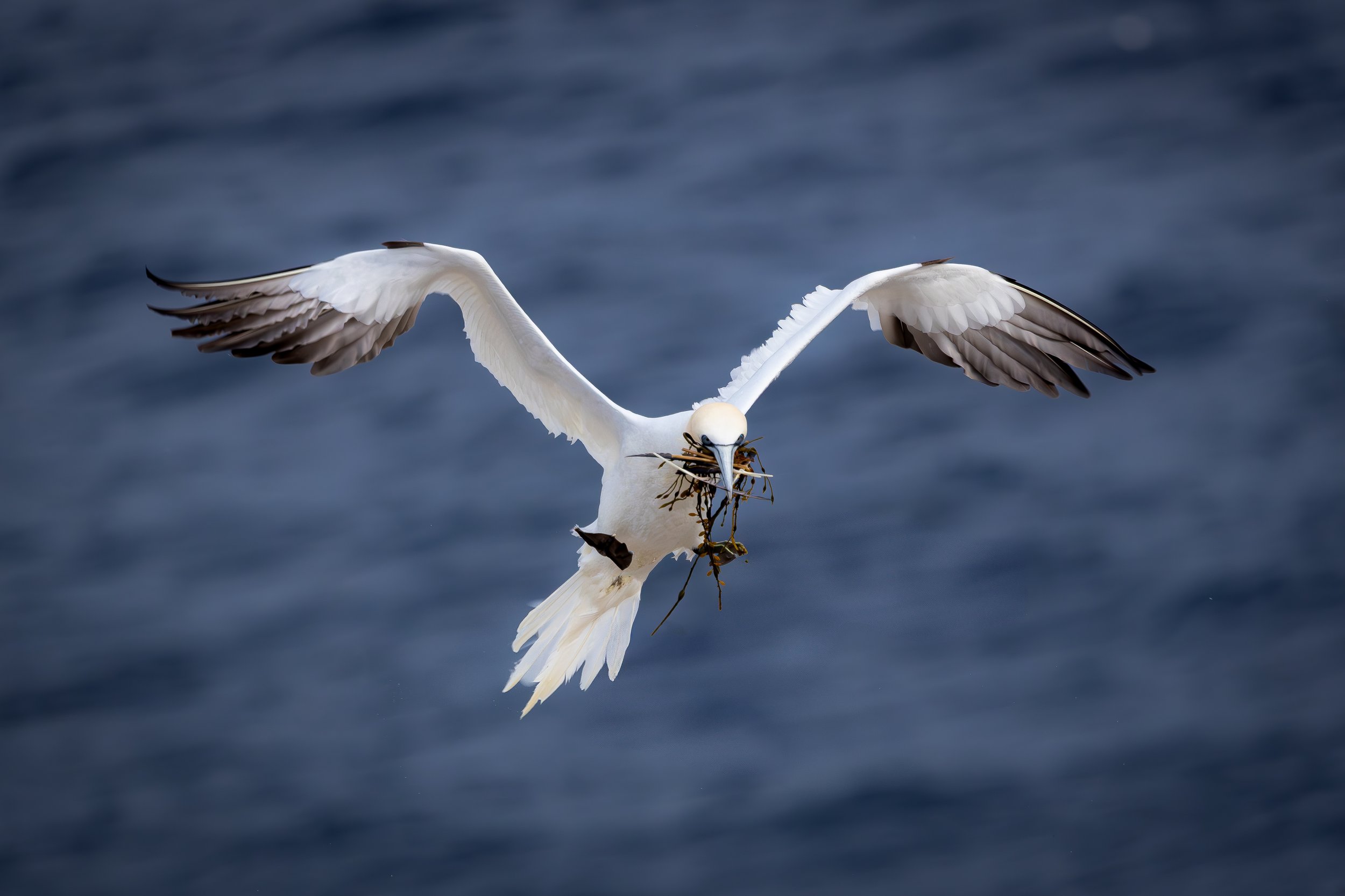
Large birds such as herons, gannets, and eagles generally move more slowly through the air, while smaller birds such as wrens and swallows can dart and change direction incredibly quickly. Your minimum shutter speed will therefore depend on the species and the behaviour you are photographing.
As a starting point, try around 1/1600 sec for larger birds and increase towards 1/2500–1/4000 sec for smaller, faster-moving species. If light is limited, you may need to compromise by raising your ISO.
Don't be afraid of a higher ISO if it allows you to get a sharp photograph. A little noise is usually much easier to deal with than motion blur.
4. Use Continuous Focus and Burst Shooting
Birds don't wait for you to achieve perfect focus. Use continuous autofocus so your camera can keep adjusting as the bird moves towards, away from, or across your frame.
If your camera offers bird or animal subject detection, this can also be extremely helpful, particularly when the background is distracting.
Burst shooting is equally valuable. A bird's wings can move through several dramatically different positions in a fraction of a second. Holding the shutter down for a short burst gives you a much better chance of capturing the exact moment when the wings, body, and head come together perfectly.
That said, don't simply photograph everything at maximum frame rate. Continue watching the bird and time your bursts around the behaviour you want.
5. Pay Attention to Your Background
A technically perfect photograph can still be distracting if the background is cluttered.
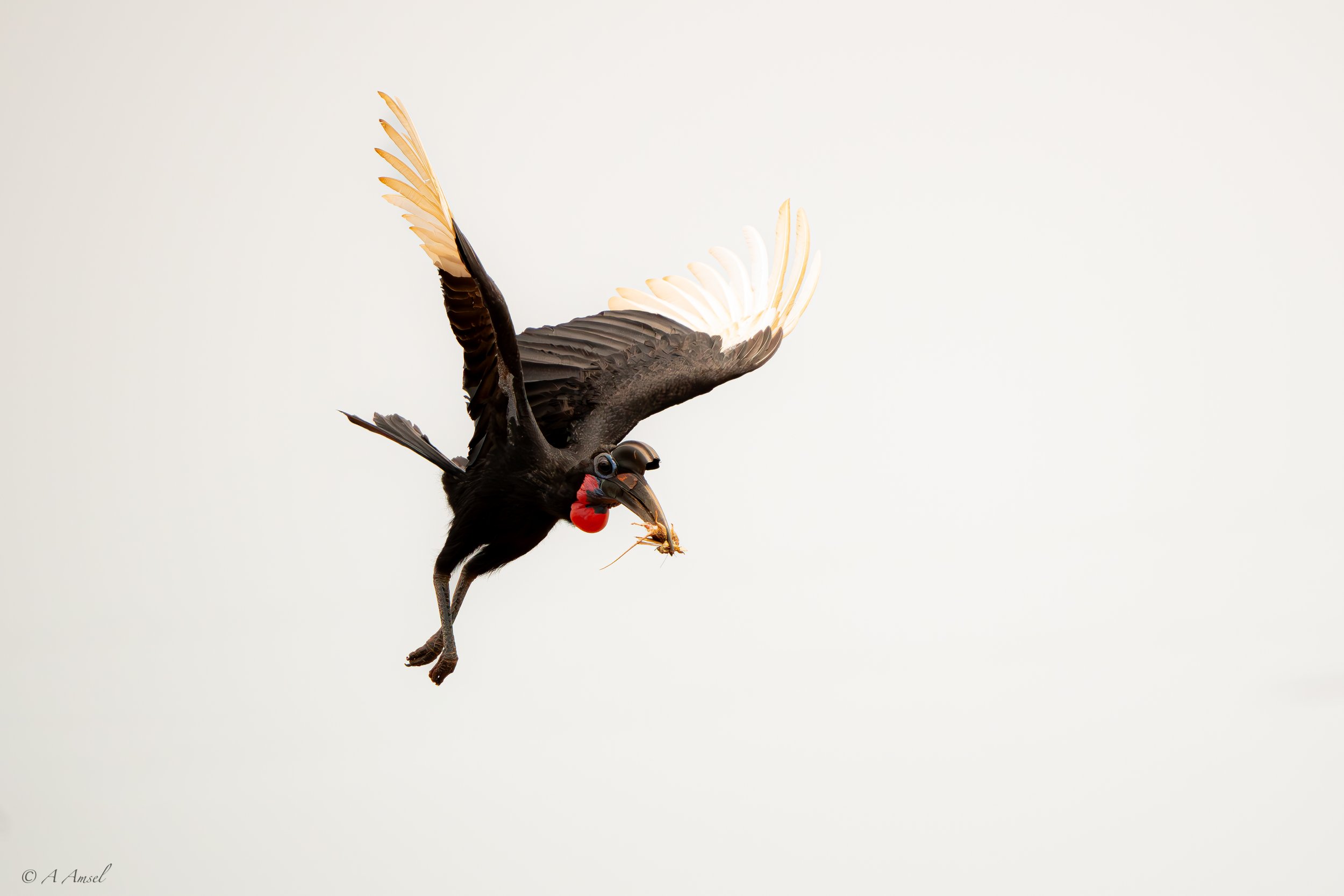
Before photographing, look beyond the bird. Is there a clean patch of sky behind it? Can you position yourself so the bird will fly over water, distant mountains, or another simple background?
A clean background helps draw attention to the bird and can make colours and details stand out. It is often worth moving a few metres or changing your angle to improve the background rather than relying entirely on editing later.
Practice Makes Progress
Photographing birds in flight is challenging, but it is also one of the best ways to improve your wildlife photography. The key is to combine technical settings with natural history: find the right place, understand your subject, anticipate its behaviour, and then give yourself the best chance of capturing the moment.
Join wildsight expeditions on one of our wildlife photography adventures—from Newfoundland's seabirds and Quebec's coastal wildlife to our Eagles of BC trips. We'll put you in incredible places with incredible birds, while helping you make the most of every opportunity to capture fantastic photographs.