
From Six Rhinos to a New Beginning: The Conservation Story of Ziwa Rhino Sanctuary
There are few wildlife encounters quite as powerful as standing in the Ugandan bush and realizing that a rhinoceros is just around the corner. At Ziwa Rhino Sanctuary, this experience is about more than seeing an incredible animal, it is an opportunity to witness a conservation success story that is helping restore rhinos to Uganda.
Today, Ziwa is at the heart of Uganda's rhino recovery programme. But the story began with a population of just six animals.
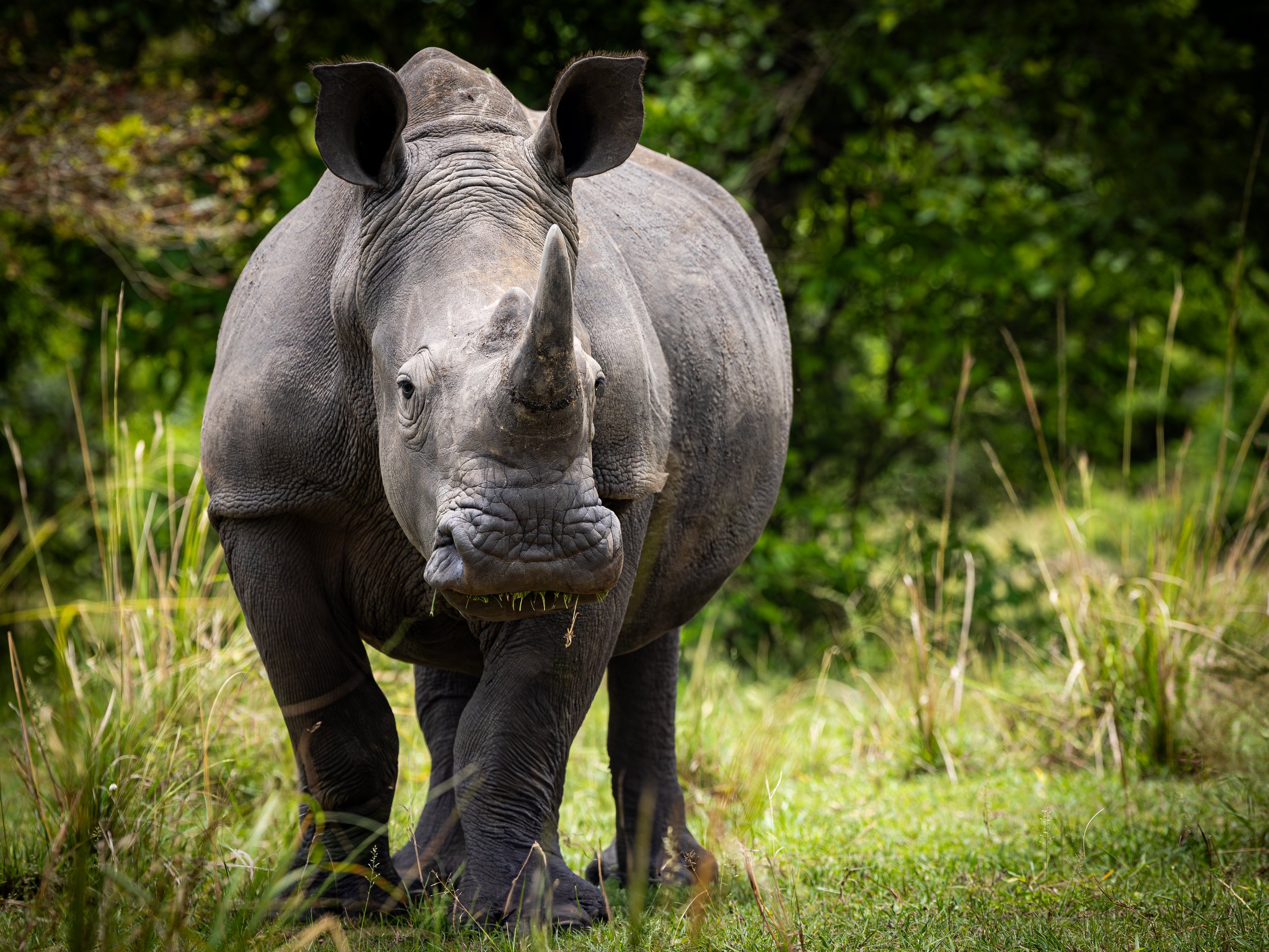
Bringing Rhinos Back to Uganda
Rhinos once roamed widely across Uganda, with both northern white rhinos and eastern black rhinos found in different parts of the country. Decades of poaching, habitat loss, and political instability devastated their populations, and Uganda's last wild rhino was killed in Kidepo Valley in 1983. For more than two decades, the species was absent from Uganda's wild landscapes.
The systematic effort to bring rhinos back began in the late 1990s, eventually leading to the establishment of the breeding programme at Ziwa. In 2005 and 2006, six southern white rhinos were brought to the sanctuary from Kenya and the United States. These animals became the founders of a carefully managed breeding population.
The goal was never simply to create a place where people could see rhinos. Ziwa was established as a breeding population that could eventually contribute to restoring rhinos to suitable habitats across Uganda.
A Conservation Success Story
The results have been remarkable. From those original six founders, the population at Ziwa grew to 49 animals by 2025. Eight additional southern white rhinos arrived from South Africa in December 2025, further strengthening the country's breeding programme. Following subsequent births and the movement of animals to other protected areas, Ziwa's population currently stands at 54, with four additional rhinos at Ajai Wildlife Reserve.
This growth is about more than numbers. A healthy breeding population provides the foundation for the next stage of conservation: establishing rhinos in additional areas and reducing the risks associated with having a large proportion of the country's rhinos in one location.
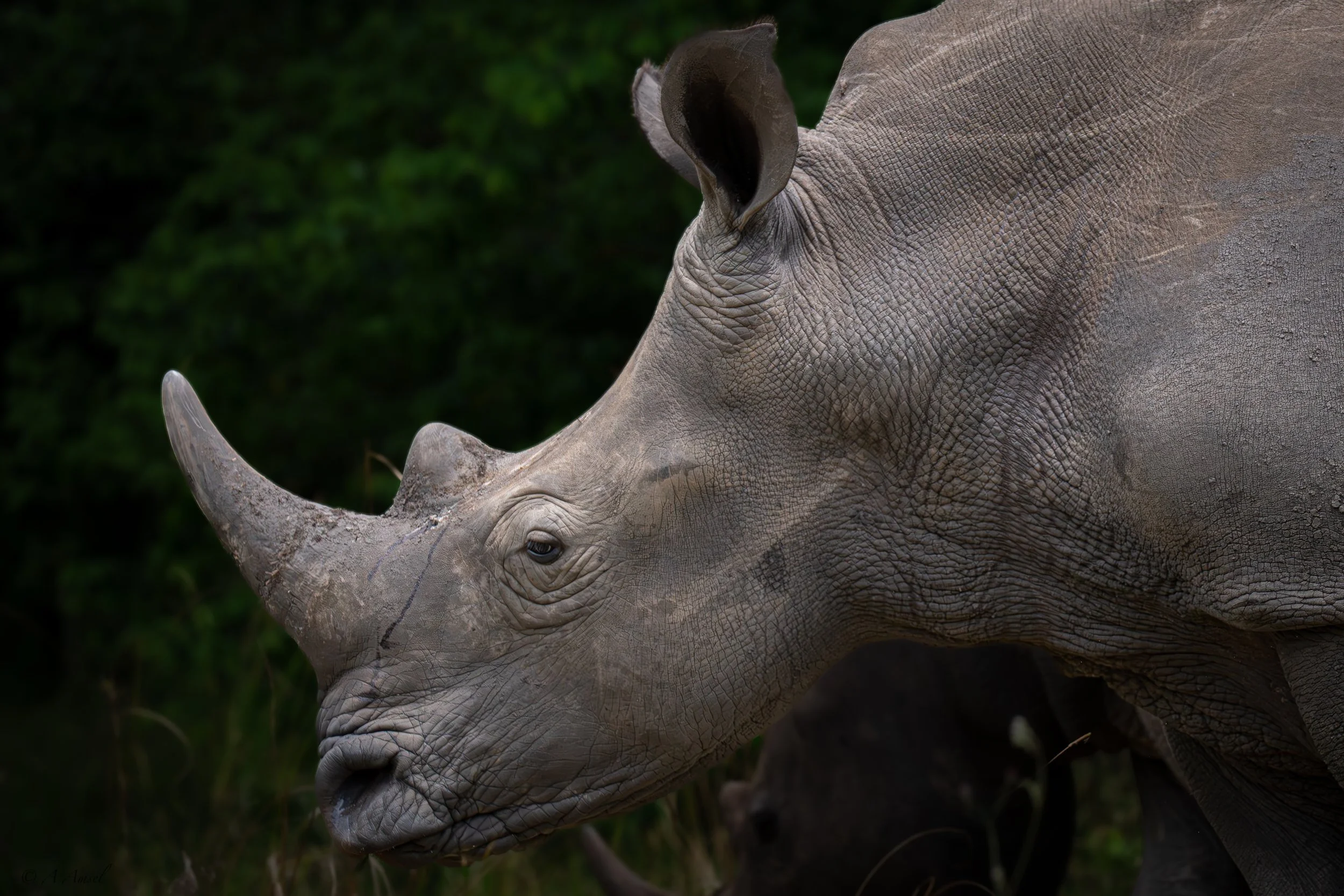
From Sanctuary to the Wild
That next chapter has already begun.
In January 2026, four southern white rhinos were moved from Ziwa to Ajai Wildlife Reserve, the first time rhinos had been translocated from one protected area to another within Uganda. The move forms part of a larger programme to establish a viable rhino population at Ajai.
Then, in March 2026, Uganda began another historic reintroduction, moving southern white rhinos from Ziwa towards Kidepo Valley National Park. Rhinos had disappeared from Kidepo after the last individual was killed there in 1983, meaning their return represents an extraordinary reversal of that history.
In this way, Ziwa is becoming more than a sanctuary. It is acting as a source population for the restoration of rhinos across Uganda.
Experiencing Conservation Firsthand
Visiting Ziwa offers a very different wildlife experience from a traditional game drive. Guided rhino tracking takes visitors into the sanctuary on foot, where you can observe these enormous animals in their natural environment while learning about the work involved in protecting and breeding them.
It is also a chance to understand the challenges behind conservation success. Protecting rhinos requires dedicated rangers, veterinary care, habitat management, monitoring, breeding expertise, and strong relationships with surrounding communities. Every calf born at Ziwa represents another step towards rebuilding a population that was once lost from Uganda.
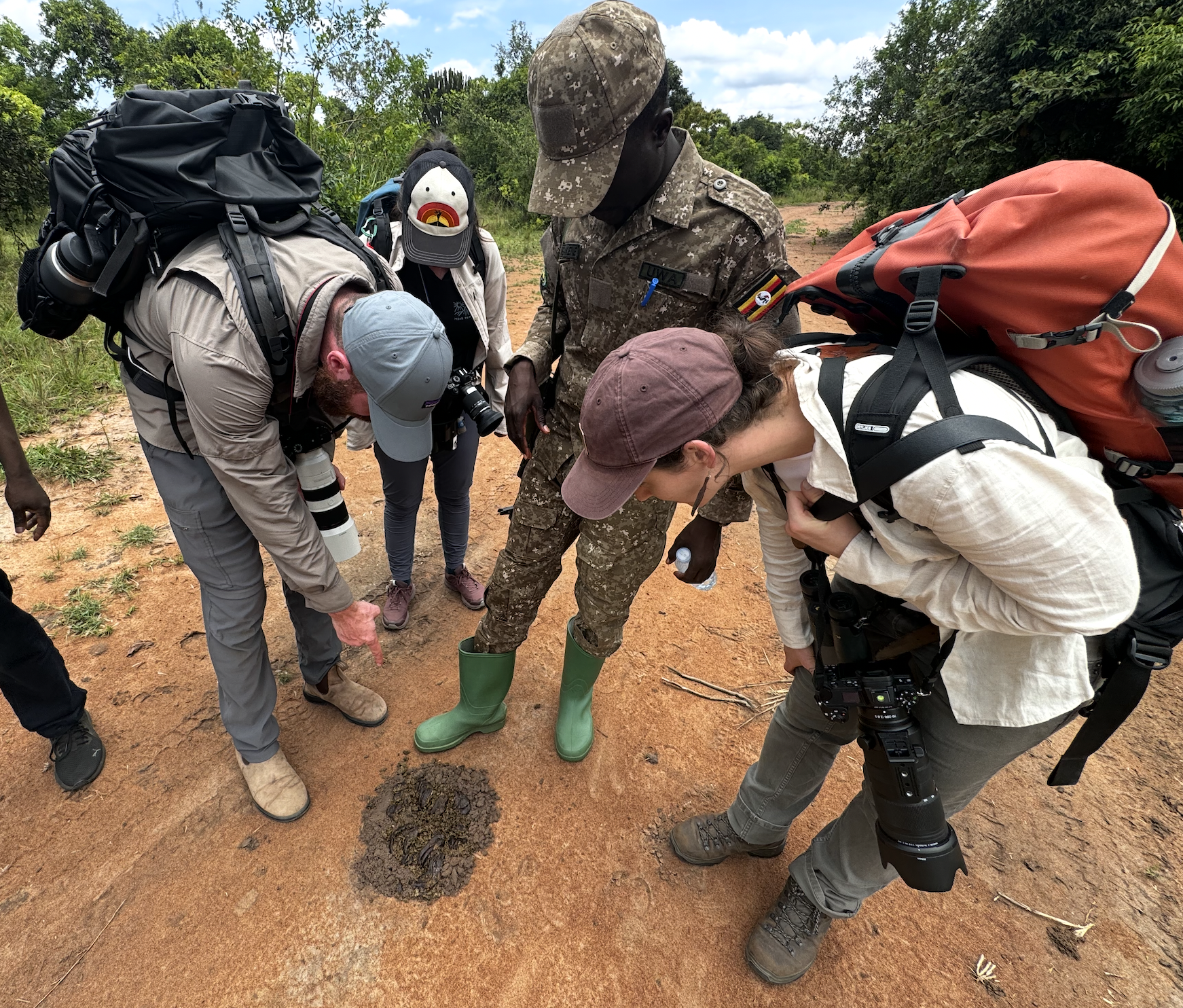
Visit Uganda
A visit to Ziwa Rhino Sanctuary is part of our Ultimate Uganda Safari, giving you the opportunity to walk among rhinos and learn about the remarkable programme that is helping restore them to Uganda. Along the journey, we'll also explore other conservation initiatives and discover how different projects across the country are working to protect Uganda's incredible wildlife for generations to come.