
Every Photo Tells a Story: How to Create More Meaningful Wildlife Images
A great photograph does more than show us what something looks like, it tells us something about the world. The most memorable wildlife images are often not the sharpest, rarest, or most technically perfect. They are the ones that make us feel something. They capture a moment, reveal a behaviour, or help us connect with an animal's life.
As wildlife photographers, we have a unique opportunity to tell stories through our images. By thinking beyond simple portraits and focusing on the narrative behind a scene, we can create photographs that are more engaging, impactful, and memorable.
Move Beyond the Portrait
There's nothing wrong with a beautiful portrait. A sharp image of a bear looking directly into the camera or a perfectly lit bird can be stunning. However, if every image is simply a portrait, viewers may quickly move on.
Storytelling begins when you start asking questions about your subject. What is it doing? Why is it there? How does it interact with its environment? What challenges does it face?
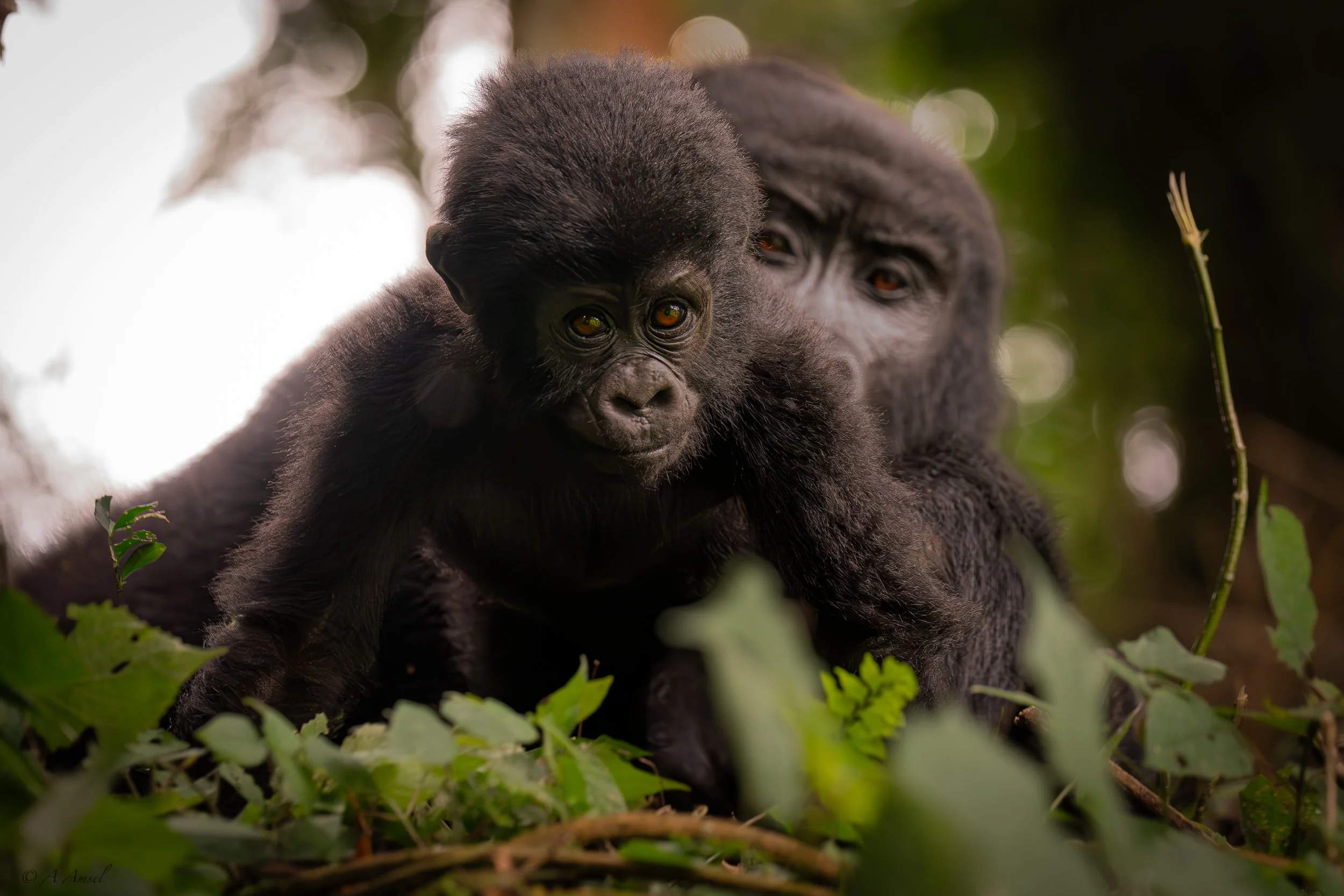
A photograph of a fox carrying food back to its den tells a different story than a fox standing in a field. An image of a whale surfacing beside a feeding flock of seabirds reveals an ecological connection. A mother gorilla watching over her infant shows a the strong family bonds that are at the heart of gorilla life.
A These moments help viewers understand something about the animal's life rather than simply admire its appearance.
Include the Environment
One of the easiest ways to strengthen storytelling is to show the habitat.
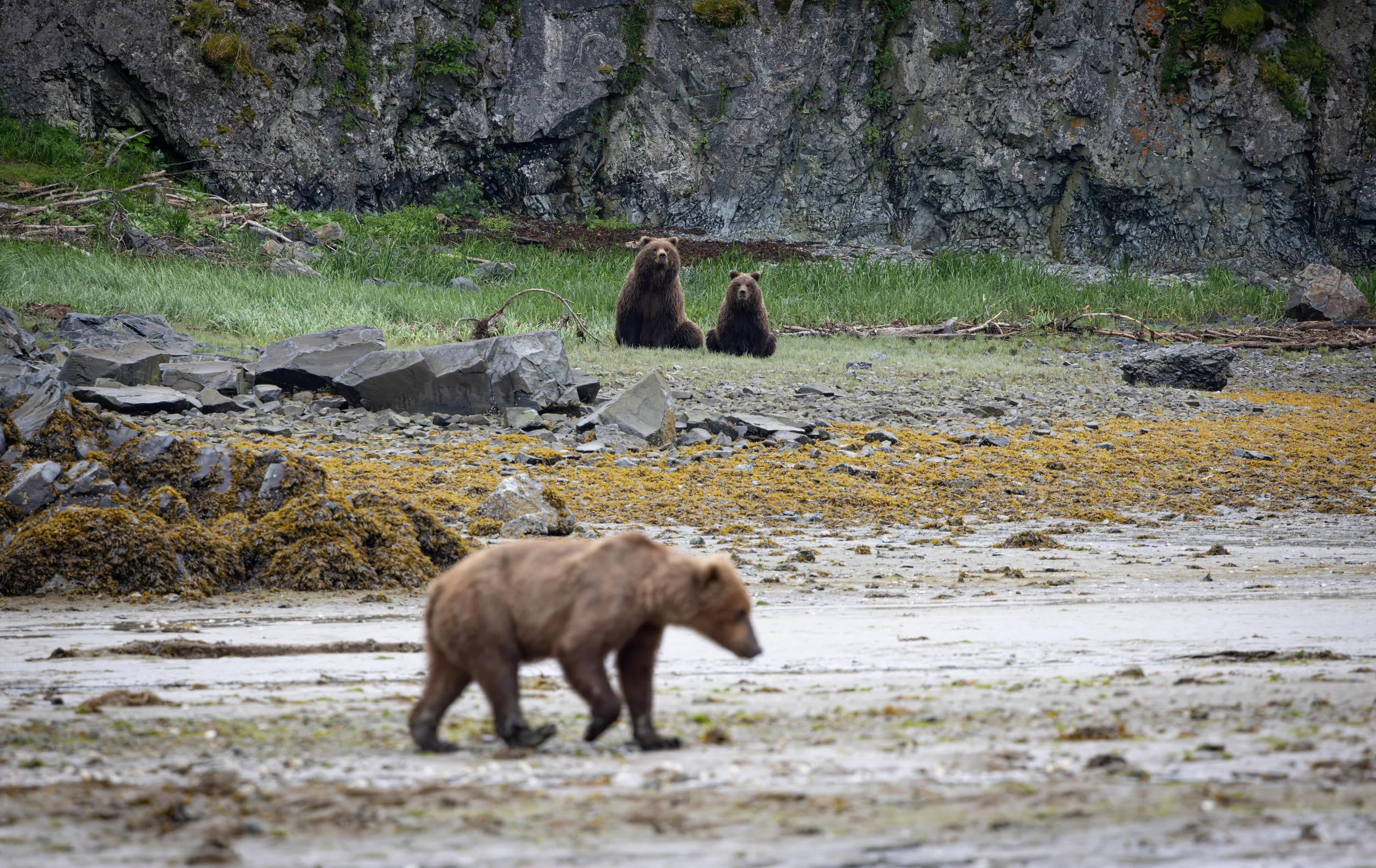
Wildlife does not exist in isolation. Animals are shaped by the landscapes they inhabit, and including those landscapes helps provide context for your images. A caribou crossing Arctic tundra, a grizzly bear standing beside a salmon-filled river, or a puffin perched on a rugged sea cliff all tell richer stories because the environment becomes part of the photograph.
Environmental images help viewers understand where an animal lives and the challenges it faces. They create a sense of place and often evoke a stronger emotional response than tightly cropped portraits alone.
Capture Behaviour and Interaction
Behaviour is where some of the best wildlife stories emerge.
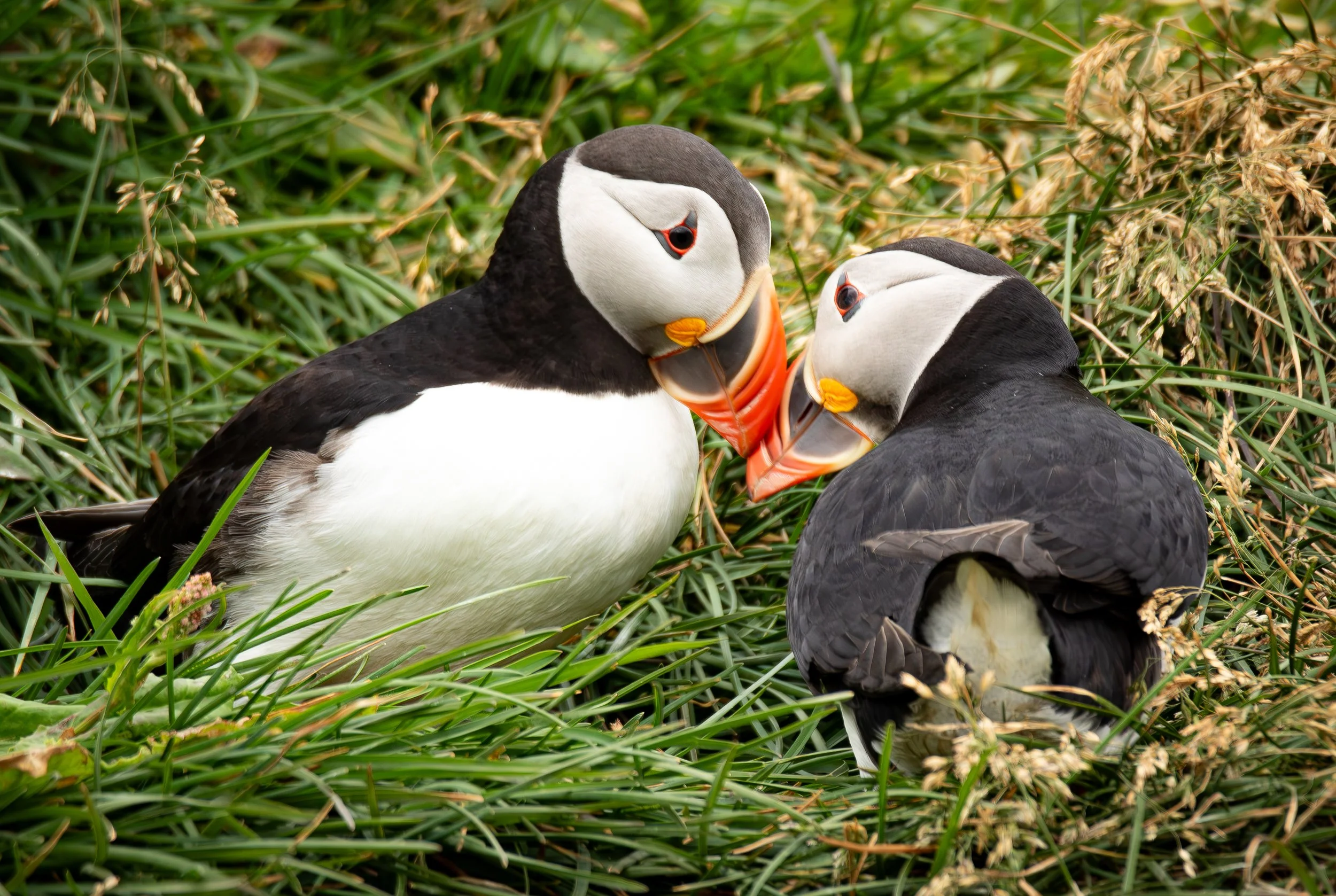
Animals are constantly interacting with their surroundings, other animals, and members of their own species. These interactions often reveal fascinating aspects of their lives. Feeding, hunting, courtship, migration, parenting, territorial disputes, and play are all examples of behaviours that can transform a simple image into a compelling story.
When viewers see action, they naturally begin asking questions about what is happening. That curiosity draws them deeper into the photograph and helps create a stronger connection with the subject.
Think About Emotion
While wildlife photography is rooted in nature, it often resonates because it evokes emotions that people recognize.
A mother bear guiding her cubs across a river can communicate care and protection. A lone wolf travelling through a snowy landscape may evoke feelings of resilience or solitude. A flock of birds gathering before migration can create a sense of anticipation and movement.
The goal is not to anthropomorphize animals, but rather to recognize that certain moments naturally create emotional connections for viewers. These connections often make an image more memorable and impactful.
Consider the Story Before You Press the Shutter
One of the best habits a photographer can develop is to pause and think about the story unfolding in front of them.
Instead of immediately focusing on camera settings, ask yourself: What am I trying to communicate? What is the most interesting part of this moment? Is there a way to include more context, behaviour, or interaction?
By approaching photography with storytelling in mind, you begin creating images with greater purpose. The result is a collection of photographs that work together to tell a broader story about wildlife, ecosystems, and the natural world.
Learn to Tell Better Stories in the Field
Storytelling is a skill that develops with practice, observation, and guidance. On a wildsight expeditions photography tour, we help photographers look beyond simple wildlife portraits and identify the behaviours, interactions, and environmental elements that create powerful images. By learning how to recognize and capture stories as they unfold in nature, you'll return home with photographs that do more than document wildlife—you'll create images that truly connect with people.