
On Foot in the Wild: Walking Safaris in Uganda’s Lake Mburo National Park
When most people think of an African safari, they picture long days spent in a vehicle, scanning the horizon for wildlife. While that experience is undeniably iconic, Uganda offers something refreshingly different. Here, the safari experience sometimes goes beyond the vehicle, and nowhere is that more evident than in Lake Mburo National Park, where walking safaris open up a whole new way to connect with the landscape and its wildlife.
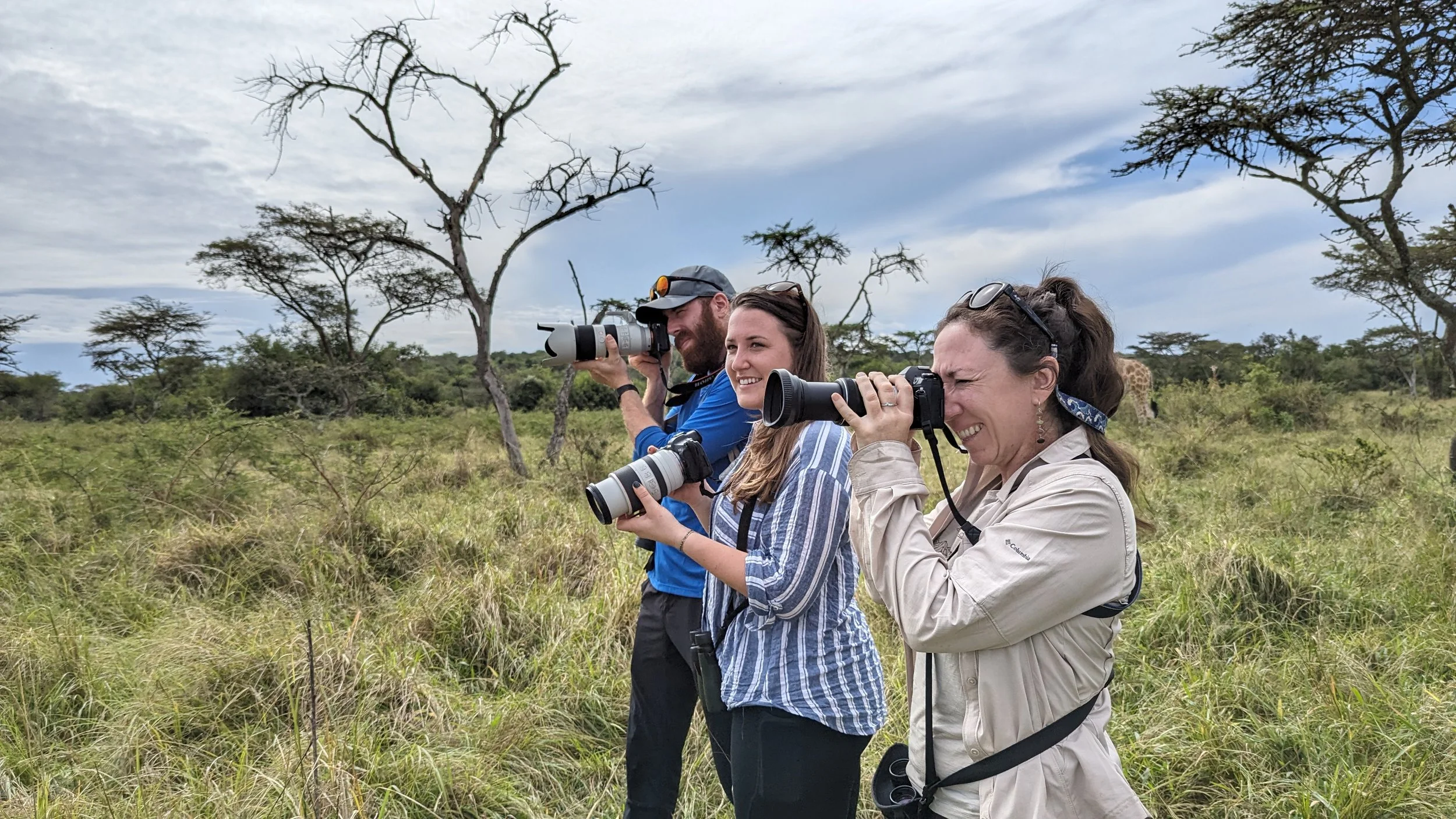
A Different Kind of Safari Experience
Uganda stands out as one of Africa’s most diverse safari destinations, not just for its wildlife, but for how you can experience it. From trekking to see mountain gorillas in dense forests to boat safaris along its waterways, the country offers a wide range of perspectives. In Lake Mburo National Park, that diversity extends to walking safaris, an experience that strips things back to the essentials.
Stepping out of the vehicle and onto the ground changes everything. You’re no longer a passive observer; you become part of the environment. Every sound feels sharper, every movement more significant. It’s immersive in a way that a vehicle simply can’t replicate.
Wildlife Encounters on Foot
Lake Mburo is one of the few parks in Uganda where walking safaris are not only allowed but encouraged. Accompanied by an armed ranger, you can safely explore the savannah and get remarkably close to wildlife, often closer than you might expect.
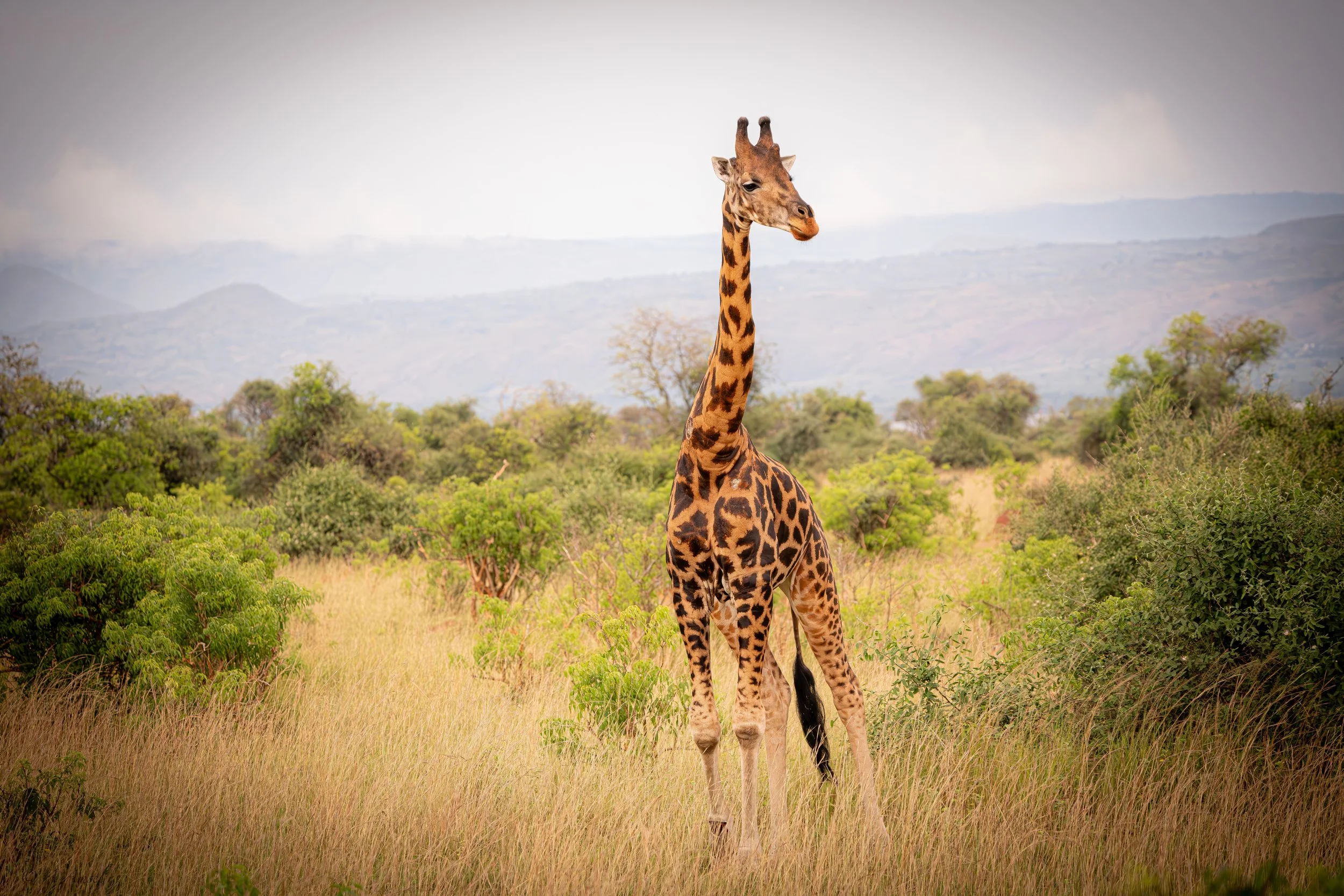
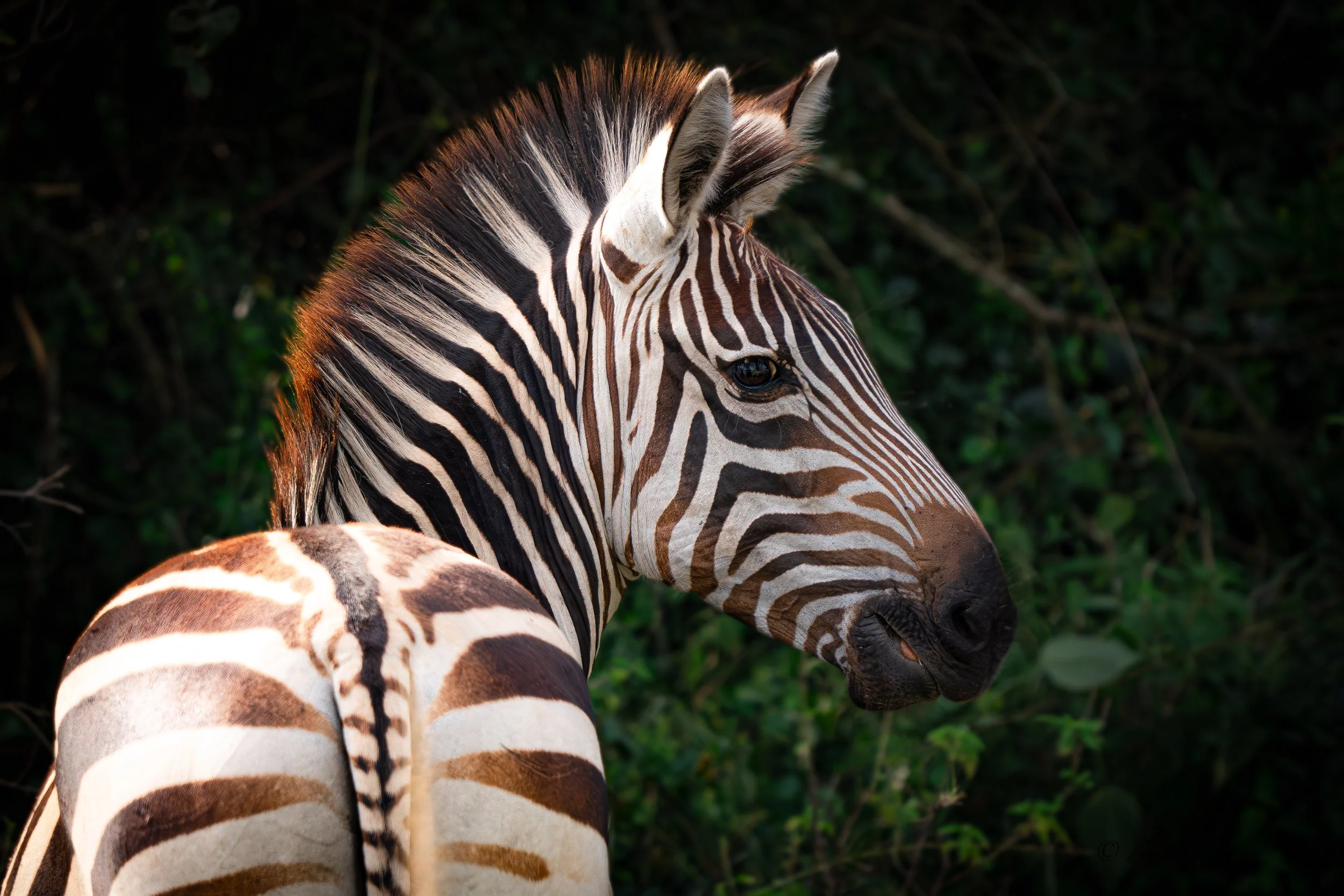
Encounters with Giraffe are a highlight. Seeing these towering animals at eye level, rather than from a vehicle window, is both humbling and exhilarating. The same goes for zebra, whose striking patterns seem even more vivid when you’re standing just meters away.
Without the noise of an engine, wildlife tends to behave more naturally. You’ll notice subtle interactions, how animals feed, communicate, and respond to their surroundings. These quieter moments often become the most memorable.
A Photographer’s Perspective
For photographers, walking safaris offer a unique creative advantage. Shooting at eye level with wildlife creates more intimate and impactful images. Instead of looking down from a vehicle, you’re composing shots that feel personal and grounded.
There’s also greater flexibility. On foot, you can adjust your position more freely, consider your background, and work with the light in a more intentional way. Whether it’s the warm glow of early morning light on a giraffe’s coat or the symmetry of zebras crossing the open plains, the opportunities are endless.
A few key advantages of photographing on foot include:
Lower shooting angles for more dynamic compositions
Greater control over framing and background
The ability to move quietly and deliberately
It’s a slower process, but one that often results in stronger, more thoughtful images.
The Art of Slowing Down
Walking safaris naturally encourage a slower pace. Instead of racing from sighting to sighting, you spend time observing the details, from tracks in the dirt, the call of distant birds, the way the landscape shifts with the light.
This slower approach deepens your connection to the environment. You begin to notice patterns and behaviours that might otherwise go unseen. It’s not just about ticking off species; it’s about understanding the ecosystem as a whole.
The Best of Uganda
Lake Mburo National Park showcases a side of Uganda that many travellers don’t expect. It’s a place where the safari experience becomes more personal, more immersive, and ultimately more rewarding. Walking among giraffes and zebras, with nothing but open savannah around you, is something that stays with you long after the journey ends.
If you’re looking to experience wildlife in a way that goes beyond the traditional game drive, our Ultimate Uganda expedition delivers. Sometimes, the best way to see the wild is simply to walk through it.