
Watching Without Disturbing: Why Ethical Whale Watching Matters
There are few wildlife experiences as powerful as seeing a whale in the wild. Whether it’s the exhale of a surfacing humpback, the sleek dorsal fin of an orca cutting through calm water, or the sudden eruption of a breach in the distance, whale encounters leave a lasting impression. But with that privilege comes responsibility.
As whale watching continues to grow in popularity around the world, ethical practices have become more important than ever. Responsible whale watching is about far more than simply finding animals, it’s about ensuring that our presence does not negatively impact their behaviour, health, or habitat.
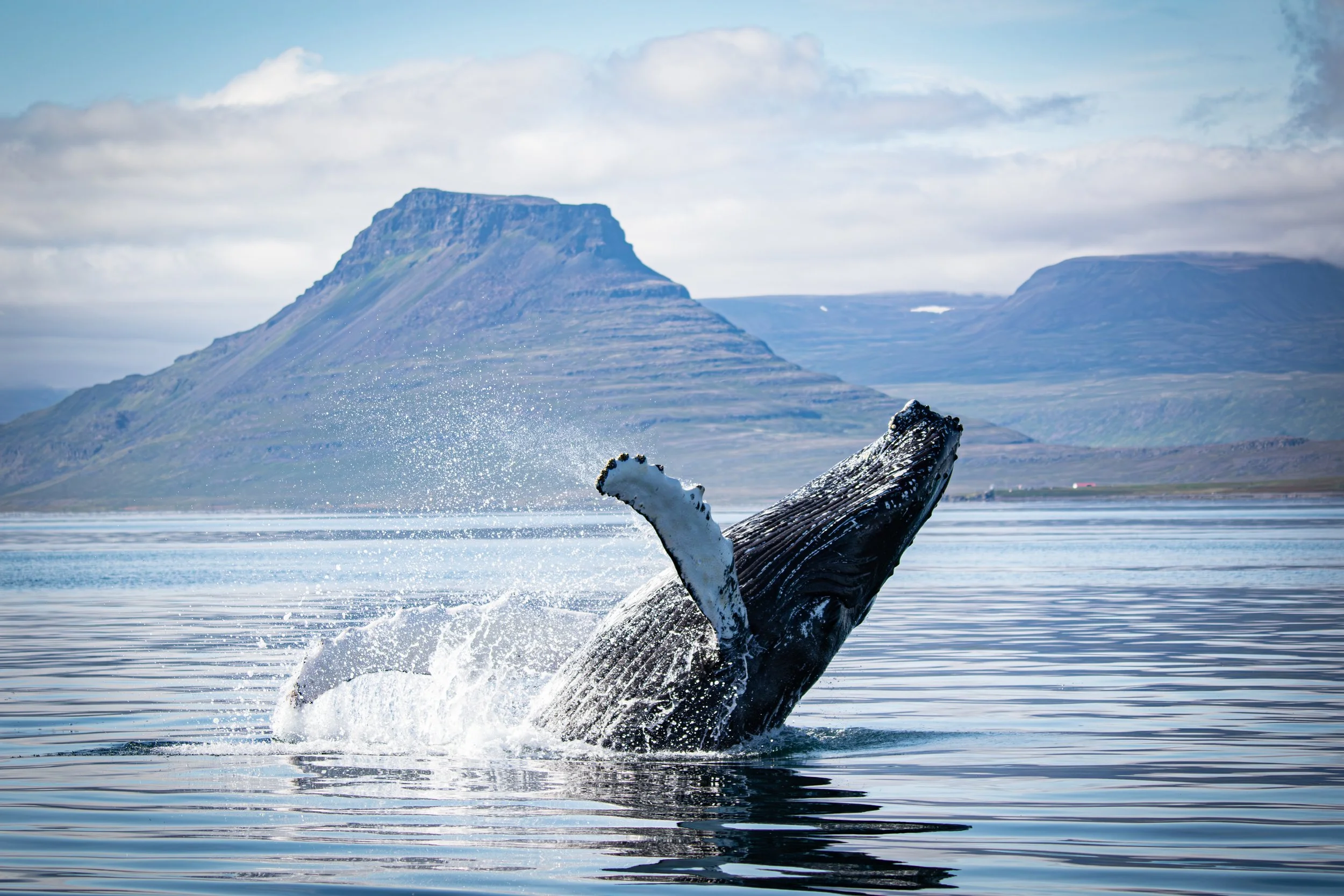
Giving Wildlife Space
One of the foundations of ethical whale watching is maintaining appropriate distances from animals. Regulations vary by region and species, but many guidelines require vessels to remain at least 100–200 meters away from whales, sometimes farther.
These distances exist for a reason. Whales rely on sound to communicate, navigate, and feed, and boats can create significant underwater noise and disruption. Approaching too closely can interrupt feeding, resting, nursing, or social behaviors.
Ethical operators understand that a respectful encounter is more important than a close encounter. In many cases, whales will choose to approach vessels on their own terms when they feel comfortable and undisturbed, and THIS is pure magic.
Reading the Animals
Responsible whale watching also means paying attention to behaviour. Ethical guides are trained to recognize signs of stress or discomfort and will leave the area if an animal appears disturbed.
Some signs can include:
Sudden changes in direction or speed
Repeated diving to avoid a vessel
Tail slapping or abrupt movements associated with agitation (though some slapping is a form of whale-whale communication!)
Wildlife encounters should always happen on the animals’ terms, not ours. If a whale changes its behaviour because of a boat’s presence, it’s often a sign that the interaction needs to end.
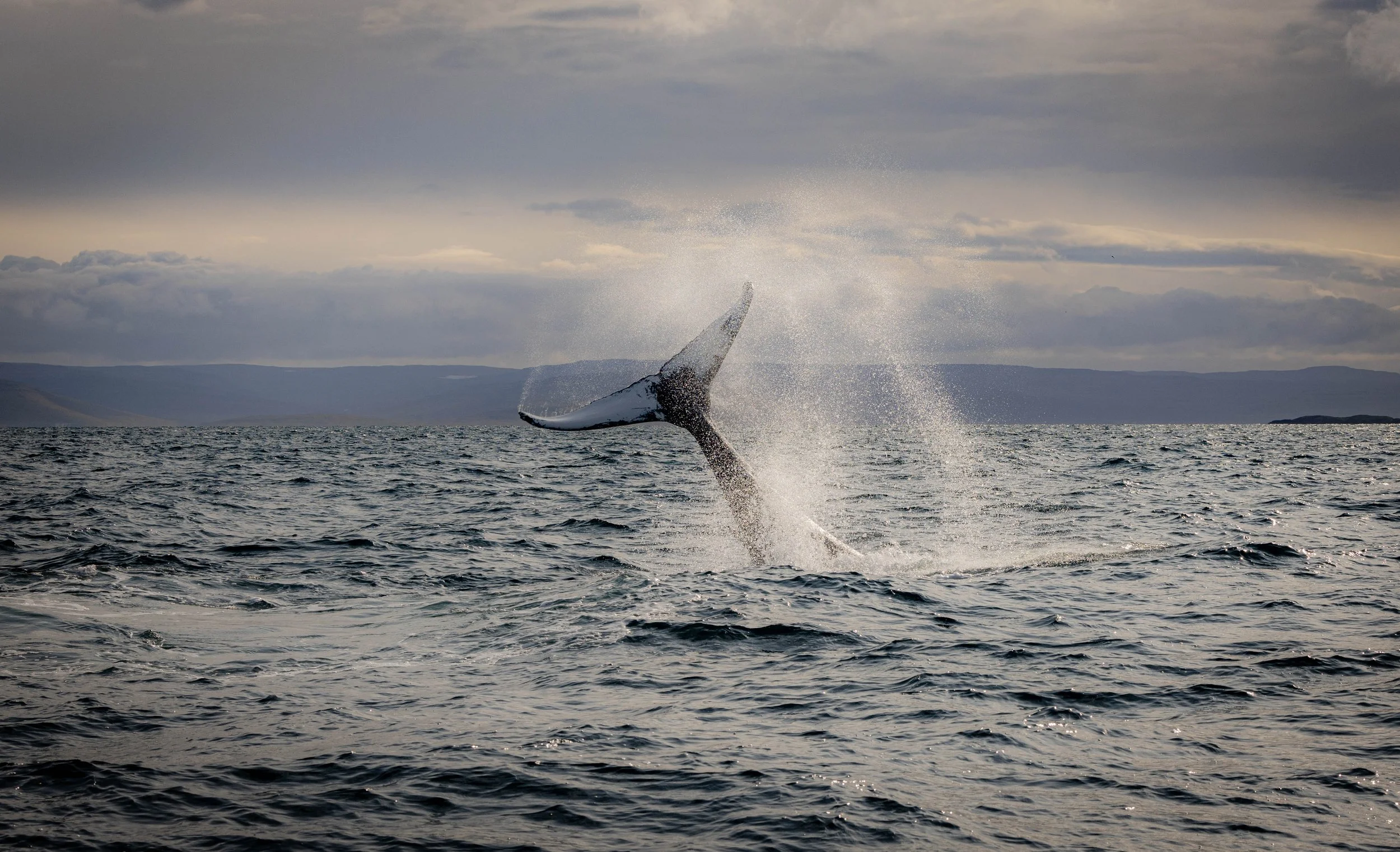
Slowing Down in Whale Habitat
Another key aspect of ethical whale watching is how vessels move through whale habitat. Many responsible operators reduce speed in areas known for whale activity, minimizing both noise pollution and the risk of collisions.
Boat strikes are a serious threat to many whale species worldwide, especially in areas with heavy marine traffic. Slower speeds not only make the environment safer for whales, but also create a calmer and more enjoyable experience for passengers.
As a bonus, slowing down often leads to better sightings as well. It encourages more thoughtful observation and allows people to truly appreciate the environment they’re moving through.
Education Creates Better Wildlife Encounters
One of the most valuable parts of ethical whale watching happens before and after the sightings themselves: education. Responsible guides help guests understand whale behaviour, conservation challenges, and why regulations matter.
When tourists learn how to identify respectful wildlife practices, they carry those expectations into future experiences around the world. Education transforms whale watching from entertainment into something far more meaningful. It fosters a connection to conservation.
Many ethical operators also contribute directly to research and protection efforts through partnerships, data collection, or conservation funding. Supporting these companies helps ensure that whale populations and marine ecosystems remain healthy for generations to come.
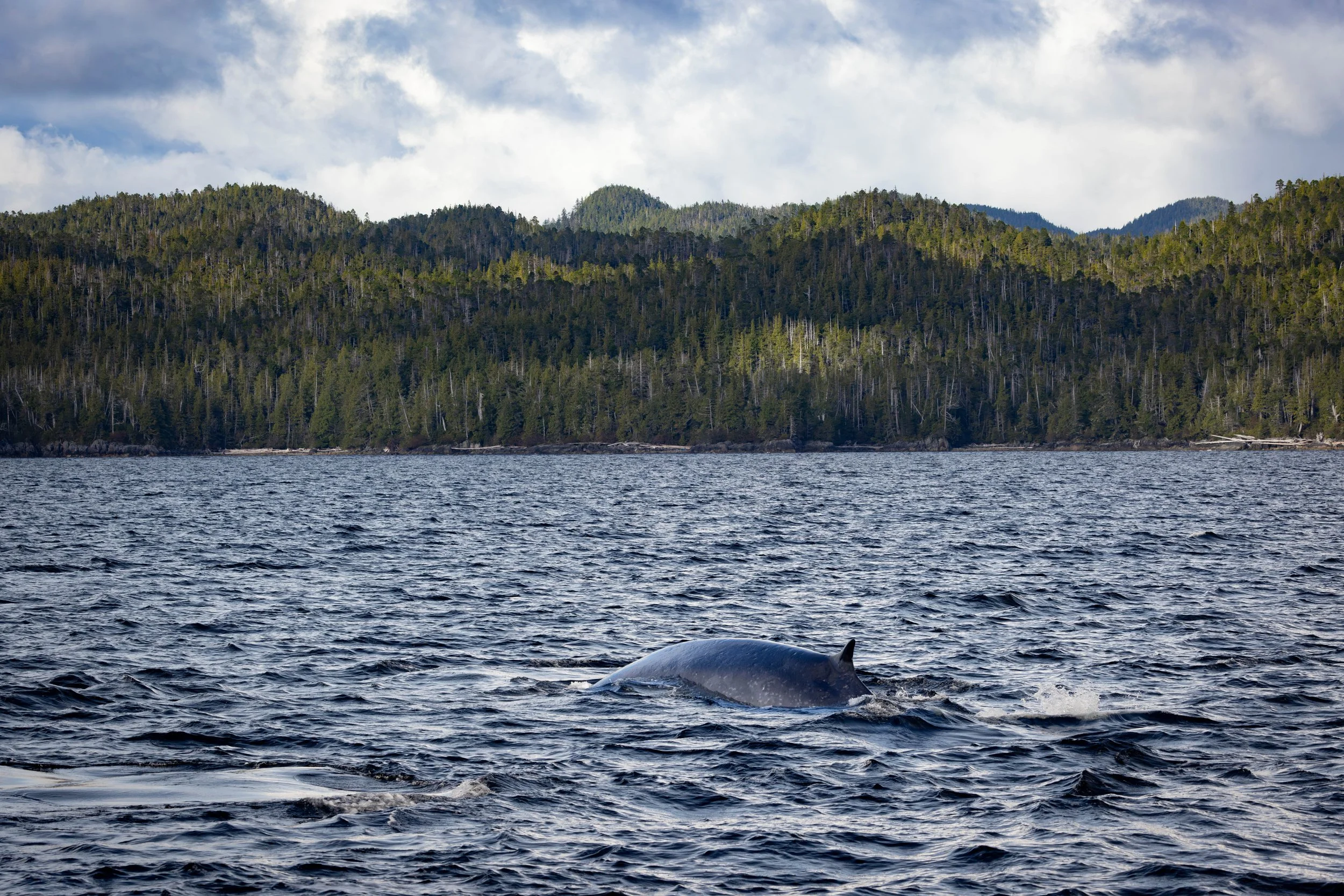
Photography with Respect
For wildlife photographers, ethical whale watching is especially important. The desire for dramatic images should never come at the expense of the subject.
The best wildlife photographs come from patience, not pressure. Maintaining respectful distances, avoiding sudden boat movements, and allowing natural behaviour to unfold often results in more authentic and compelling images anyway.
A whale behaving naturally will always create a stronger photograph than one reacting to disturbance.
Respect for Wildlife
Ethical whale watching is ultimately about respect. Respect for wildlife, for ecosystems, and for the idea that some experiences are more meaningful when approached responsibly.
Seeing whales in the wild is a privilege, not a guarantee. By choosing ethical operators and understanding the importance of responsible viewing practices, we help protect the very animals that inspire us in the first place.
The goal should never simply be to see whales. It should be to ensure they continue thriving long after we’ve gone home.