Masters of the Dive: Northern Gannets at Cape St. Mary's
The first thing you notice at Cape St. Mary's isn't the birds, it's the sound.
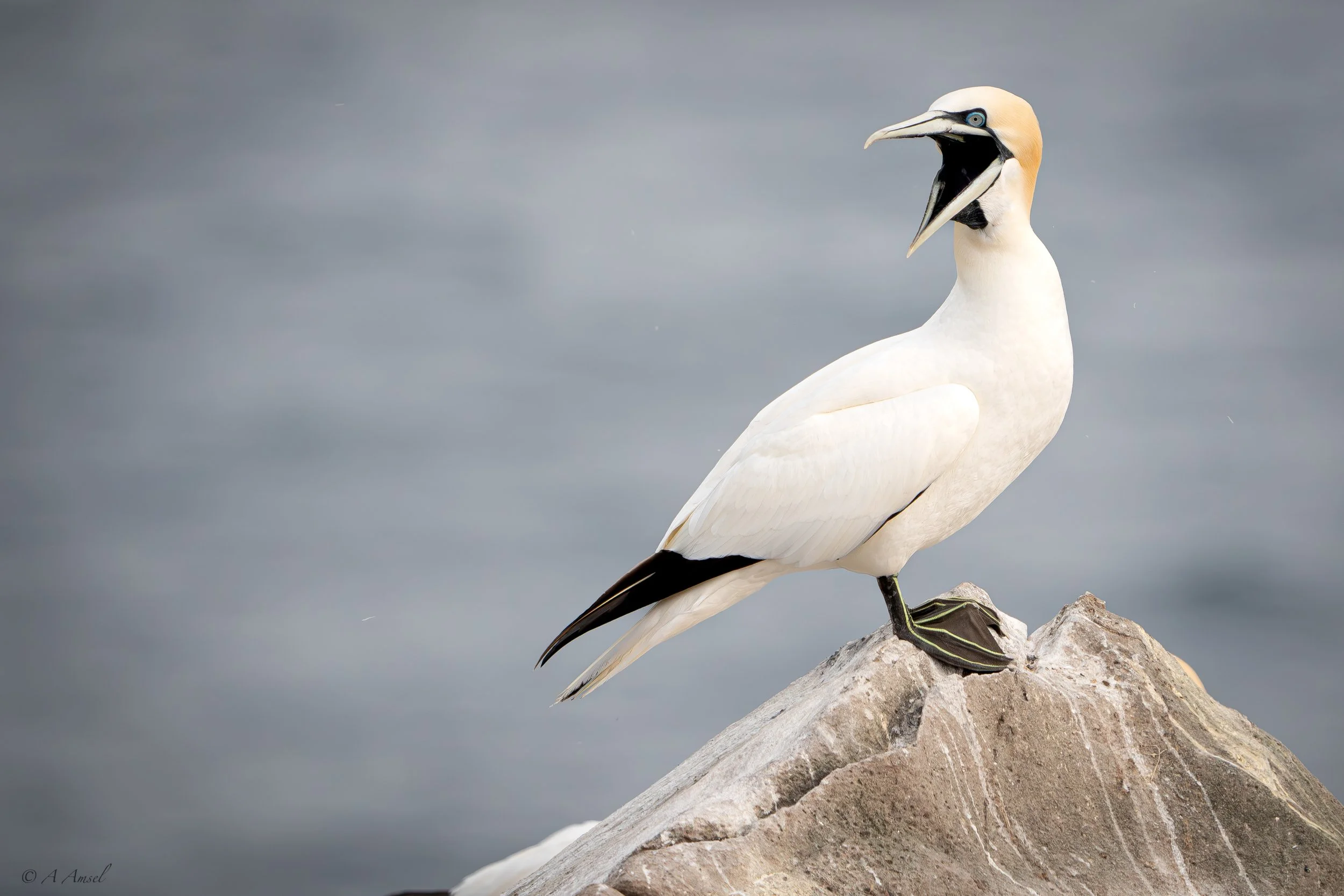
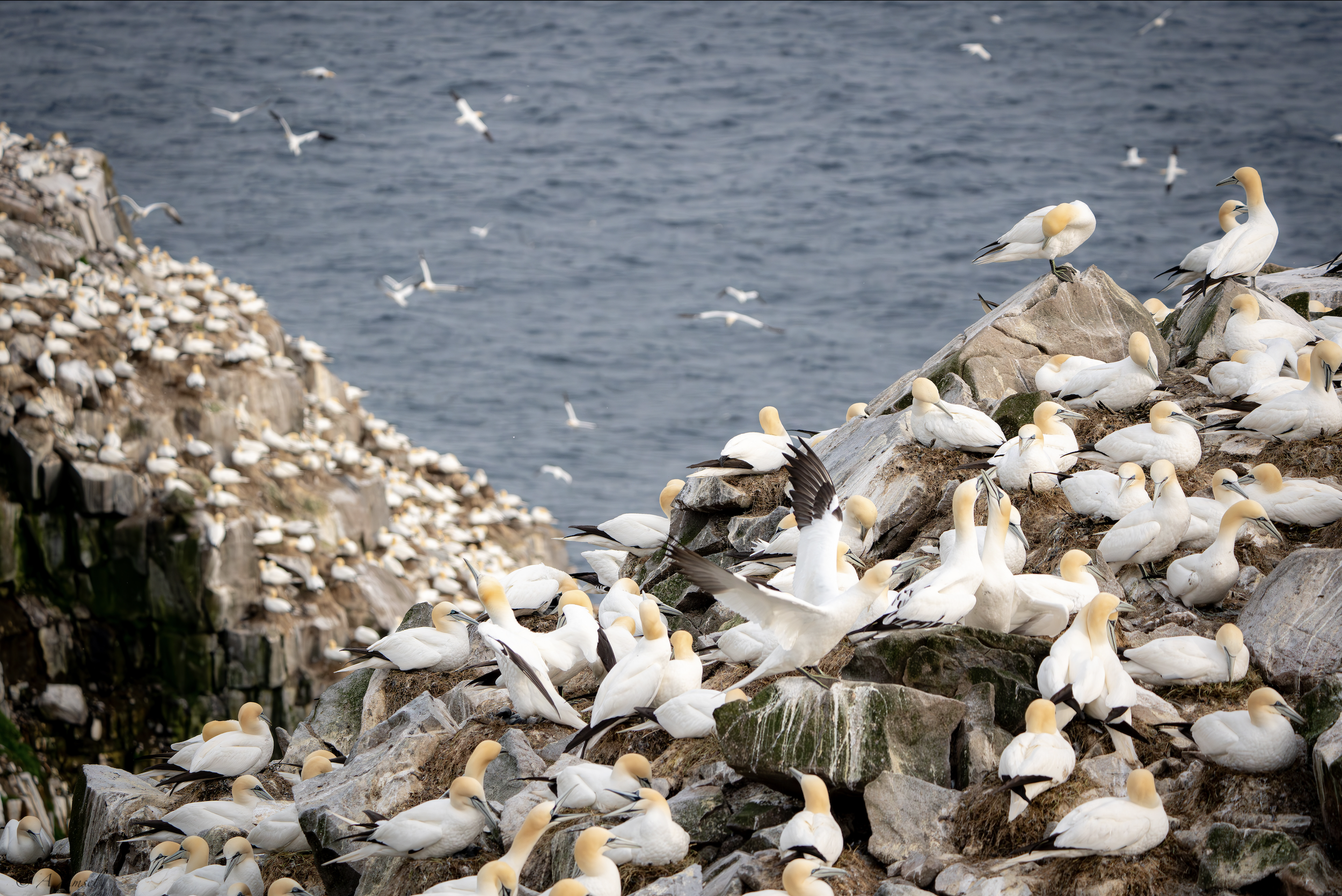
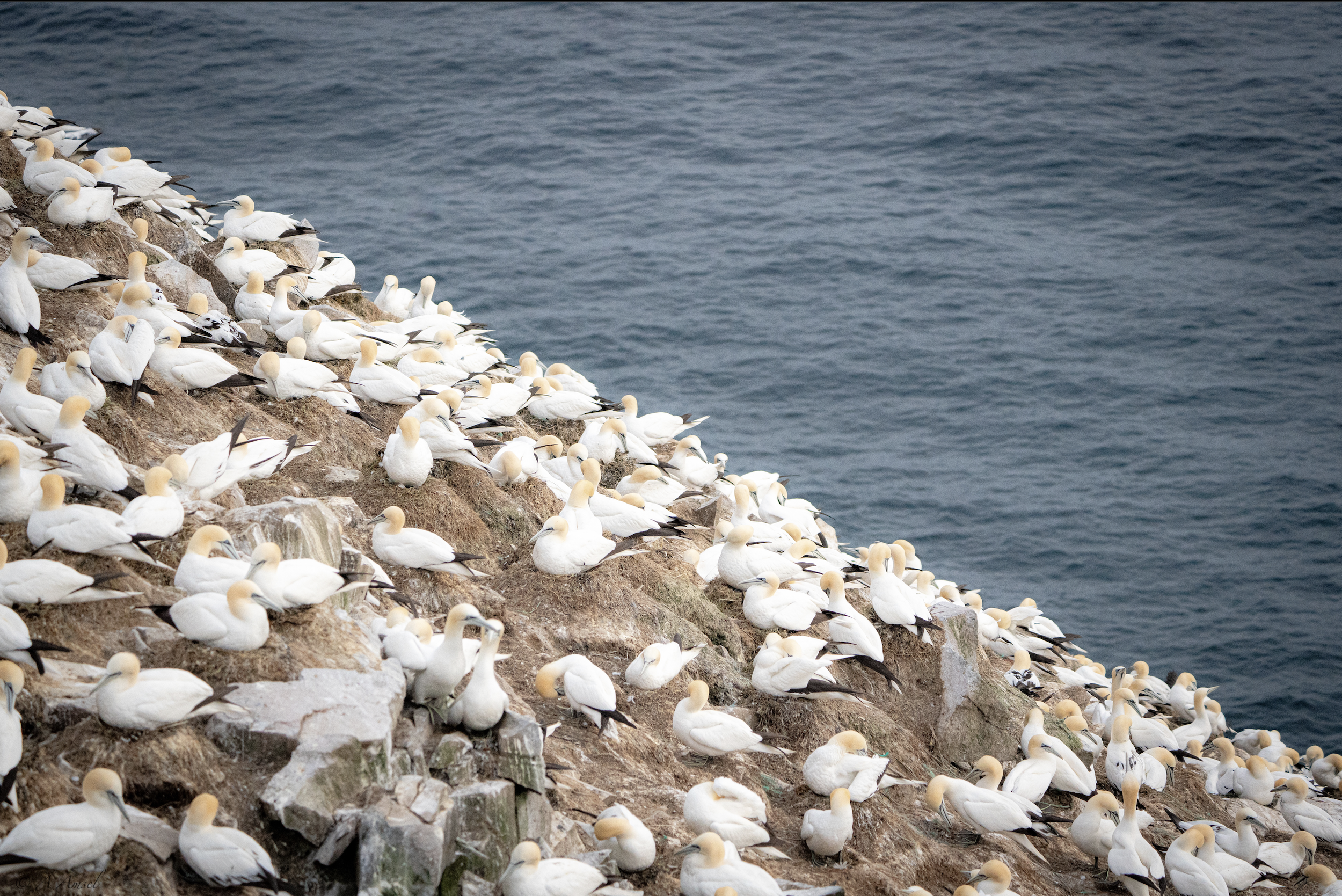
Long before Bird Rock comes into view, the wind carries thousands of calls across the cliffs. Then the colony reveals itself. White birds fill the sky, circling above the Atlantic before returning to nesting ledges packed tightly onto one of Newfoundland's most iconic seabird colonies.
For many visitors, it's their first glimpse into the lives of Northern Gannets. For photographers, it's one of the most exciting wildlife spectacles in eastern North America.

Built for the Open Ocean
Northern Gannets spend most of their lives at sea, traveling vast distances across the North Atlantic in search of fish. Everything about them is designed for this lifestyle.
With wingspans approaching two metres, they glide effortlessly over the ocean, often appearing motionless against the wind. But their true mastery is revealed when they hunt.
Spotting fish from above, a gannet folds its wings and plunges into the water at speeds exceeding 100 km/h. Moments later it resurfaces, often with a fish held firmly in its bill. Watching dozens of birds dive simultaneously is a reminder that these seabirds are among the ocean's most specialized predators.
Life on Bird Rock
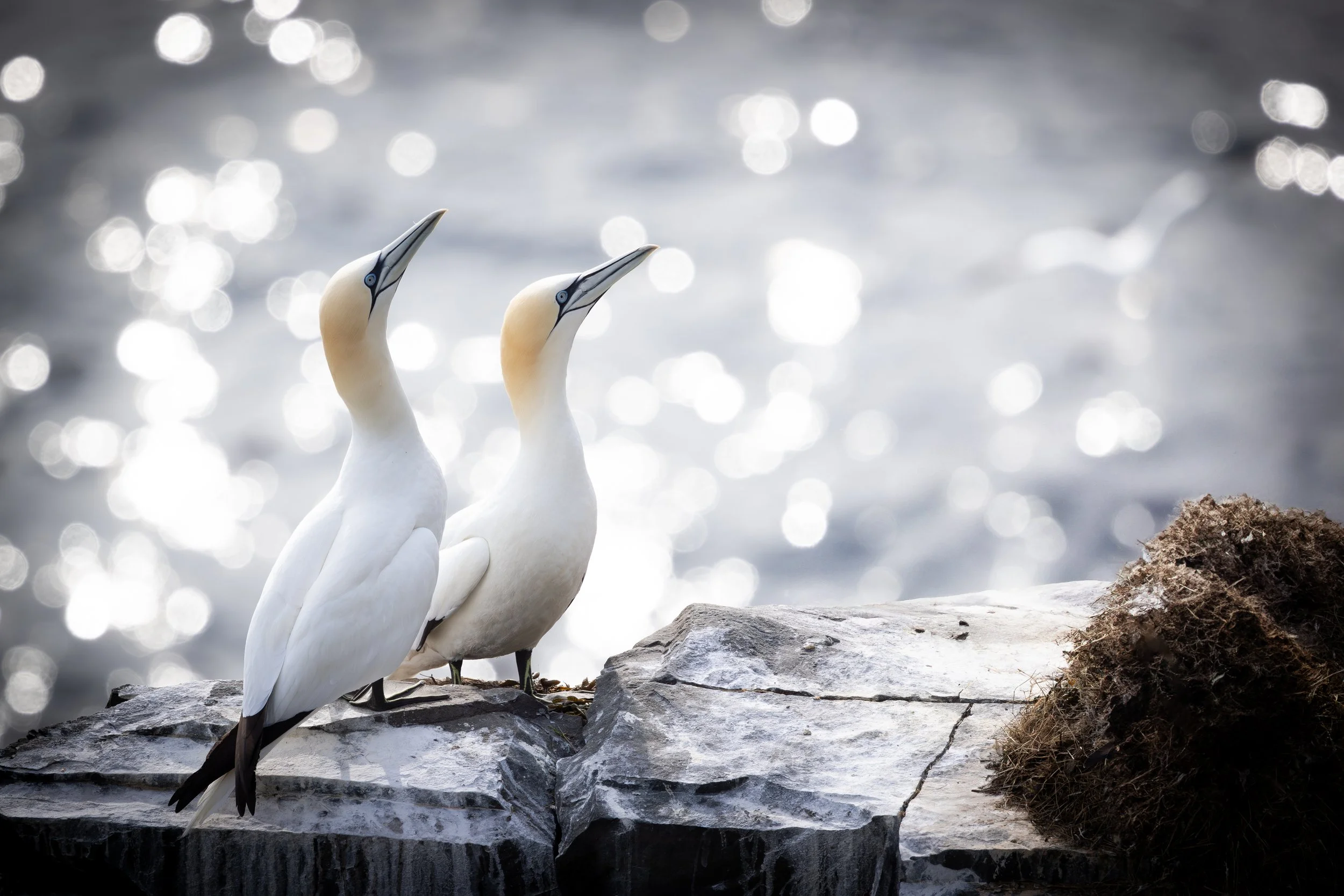
Each spring, tens of thousands of gannets return to Cape St. Mary's to breed. The colony quickly becomes a city of wings, sound, and constant activity.
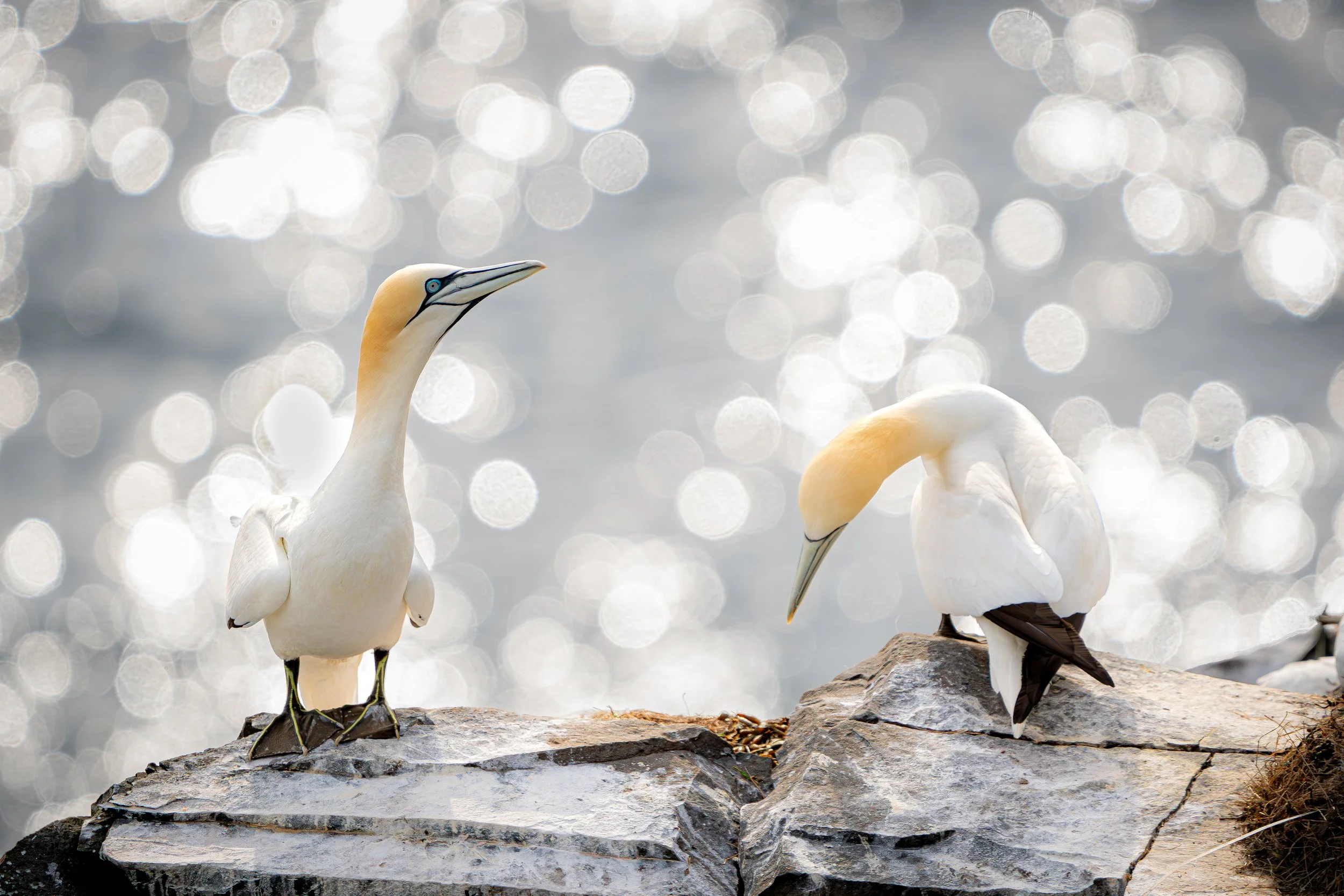
Pairs greet one another with elaborate displays, chicks wait patiently on crowded ledges, and adults commute between the colony and offshore feeding grounds. Despite the apparent chaos, every bird seems to know exactly where it belongs.
The energy is relentless. Every glance reveals a new interaction, a new arrival, or another spectacular dive unfolding below the cliffs.
A Window Into the North Atlantic
Like many seabirds, gannets are closely tied to the health of the ocean around them. They depend on forage fish such as capelin, herring, and mackerel, making them important indicators of changing marine conditions. When fish populations shift, seabirds often feel the effects first.
Standing at Cape St. Mary's, it's impossible not to appreciate the connection between the colony above and the ocean below. The birds, the fish, the currents, and the coastline are all part of the same story.
A Photographer's Dream
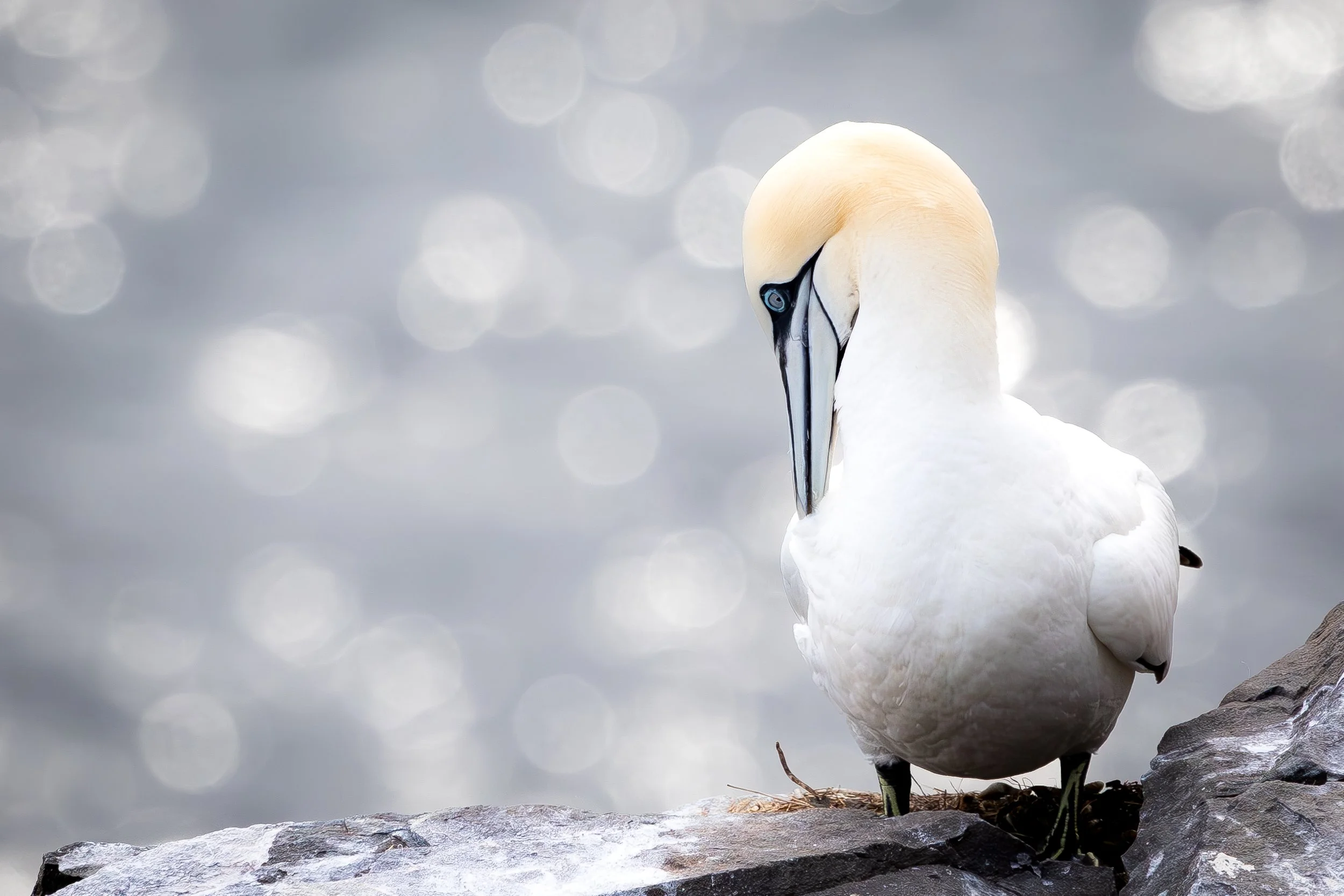
For wildlife photographers, few places offer such accessible opportunities to photograph seabird behaviour. Fast-paced action, intimate portraits, courtship displays, and dramatic cliffside scenery all unfold within view of the trail.
Whether you're refining your wildlife photography skills or simply looking to experience one of Newfoundland's great natural wonders, Cape St. Mary's delivers moments that are difficult to forget. It's a place where every visit feels different, every tide brings new activity, and every photographer leaves with a deeper appreciation for life along the North Atlantic coast.
Join us in Newfoundland to experience the awe of Bird Rock and its Northern Gannets, along with puffins and other marine birds along the way!