
Why Understanding Animal Behaviour Makes You a Better Wildlife Photographer
Many wildlife photographers spend countless hours learning camera settings, composition techniques, and post-processing skills. While these technical abilities are important, one of the most valuable skills a wildlife photographer can develop has nothing to do with their camera at all: understanding animal behaviour.
The best wildlife photographers are often lifelong students of natural history. Every observation, every encounter, and every species offers an opportunity to learn something new.
1. Predicting Behaviour Leads to Better Images
One of the greatest challenges in wildlife photography is being ready for the moment. Animals rarely pose on command, and many of the most compelling behaviours happen in an instant.
By understanding your subject's behaviour, you can begin to anticipate what might happen next. A photographer who knows how a bear behaves while fishing can predict where it may move. Someone familiar with bird courtship displays can position themselves before the action begins. Understanding feeding patterns, territorial behaviour, migration timing, or hunting strategies allows you to prepare for opportunities rather than simply reacting to them.
The result is a higher chance of capturing those memorable moments that showcase an animal's life rather than just its appearance.
2. Stronger Storytelling Through Photography
Wildlife photography is often at its most powerful when it tells a story. While a well-composed portrait can be beautiful, behavioural images often create a much deeper connection with viewers.
When you understand the lives of your subjects, you begin looking for interactions and relationships rather than simply individual animals. You might photograph a wolf pack greeting one another, a pair of birds performing a courtship display, a mother bear teaching her cubs, or a caribou navigating seasonal migration routes.
Knowledge of behaviours such as mating rituals, feeding strategies, parental care, and social dynamics allows you to capture moments that reveal something meaningful about an animal's life. These images help viewers understand not just what an animal looks like, but how it survives and interacts with the world around it.
3. Understanding Behaviour Promotes Ethical Photography
Ethical wildlife photography begins with respecting the animal.
Animals often communicate discomfort or stress through subtle behavioural cues long before they flee. Learning to recognize these signs helps photographers make better decisions in the field. Changes in posture, vocalizations, repeated vigilance, altered feeding behaviour, or defensive displays can all indicate that an animal is becoming uncomfortable with a photographer's presence.
When you understand these signals, you know when to back away, give an animal more space, or stop pursuing a photograph altogether. Ethical photography prioritizes the welfare of the subject over the image, and behavioural knowledge is one of the most important tools for making responsible decisions.
4. A Deeper Appreciation for Wildlife
The more time you spend learning about animals, the more fascinating they become.
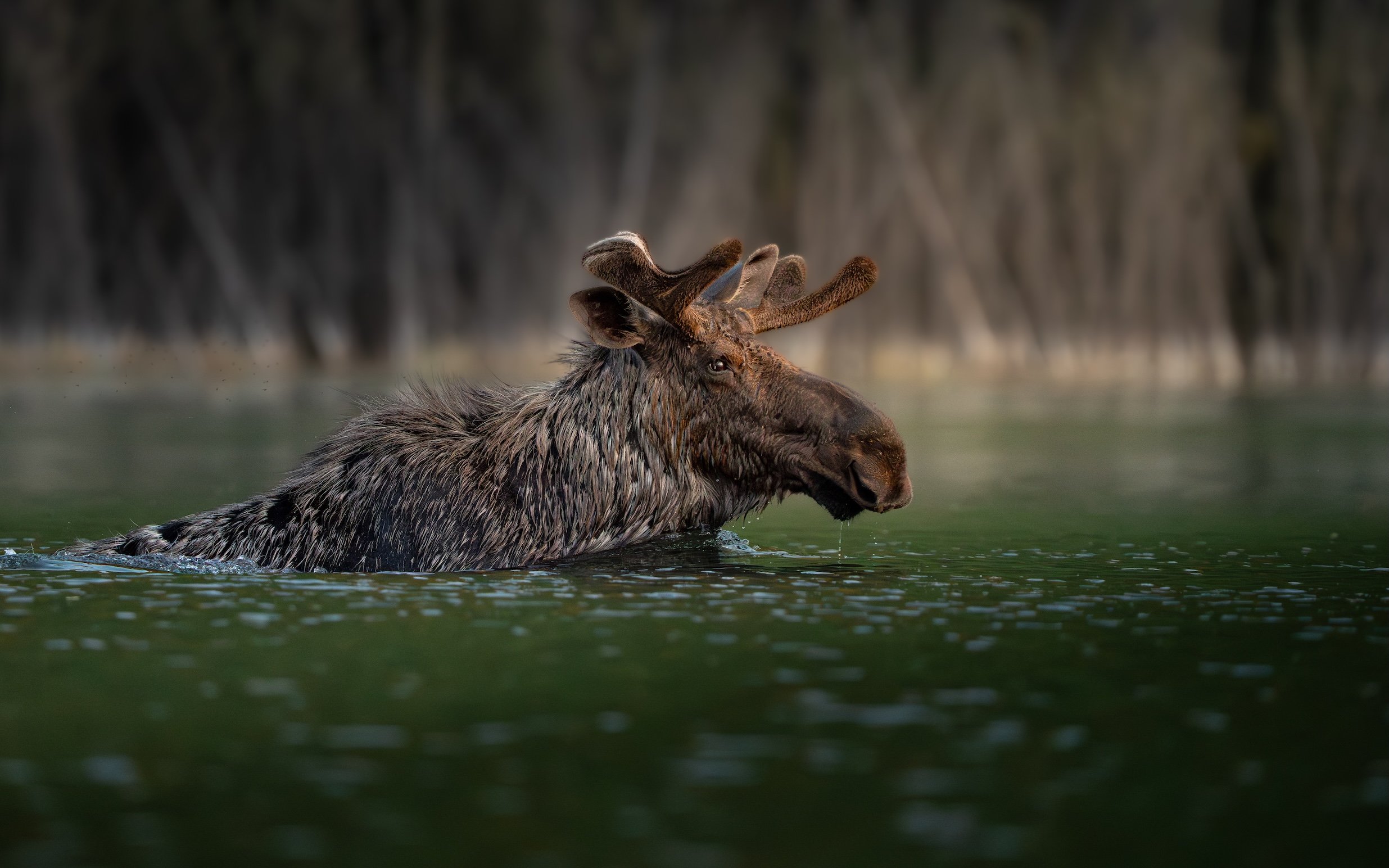
A fox is no longer simply a fox, it becomes a skilled hunter with unique adaptations and behaviours. A seabird is no longer just another bird in flight—it becomes part of a remarkable migration story that spans thousands of kilometres.
Understanding behaviour helps transform wildlife photography from a hobby focused on images into an experience focused on connection. It encourages curiosity, patience, and respect, helping photographers develop a deeper appreciation for the animals and ecosystems they photograph.
5. Better Fieldcraft and More Natural Encounters
Understanding behaviour doesn't just improve your images, it improves your experience in the field.
Photographers who know how animals use the landscape can position themselves more effectively and often spend less time chasing wildlife. Instead of searching randomly, they begin to recognize travel routes, feeding areas, resting locations, and seasonal patterns.
This often leads to more natural encounters, less disturbance, and opportunities to observe behaviours that many people miss entirely. Good fieldcraft allows wildlife to behave naturally around you, resulting in photographs that feel authentic and genuine.
Learn From the Animals You Photograph
One of the greatest benefits of travelling with a naturalist-photography guide is gaining access to this knowledge in real time. Guides help you understand what you're seeing, explain behaviours as they unfold, and teach you how to anticipate wildlife activity while remaining respectful of the animals.
That's why our expeditions at wildsight expeditions are designed to go beyond photography alone. By helping you better understand the wildlife you encounter, we help you create stronger images, tell better stories, and develop a deeper connection to the natural world.