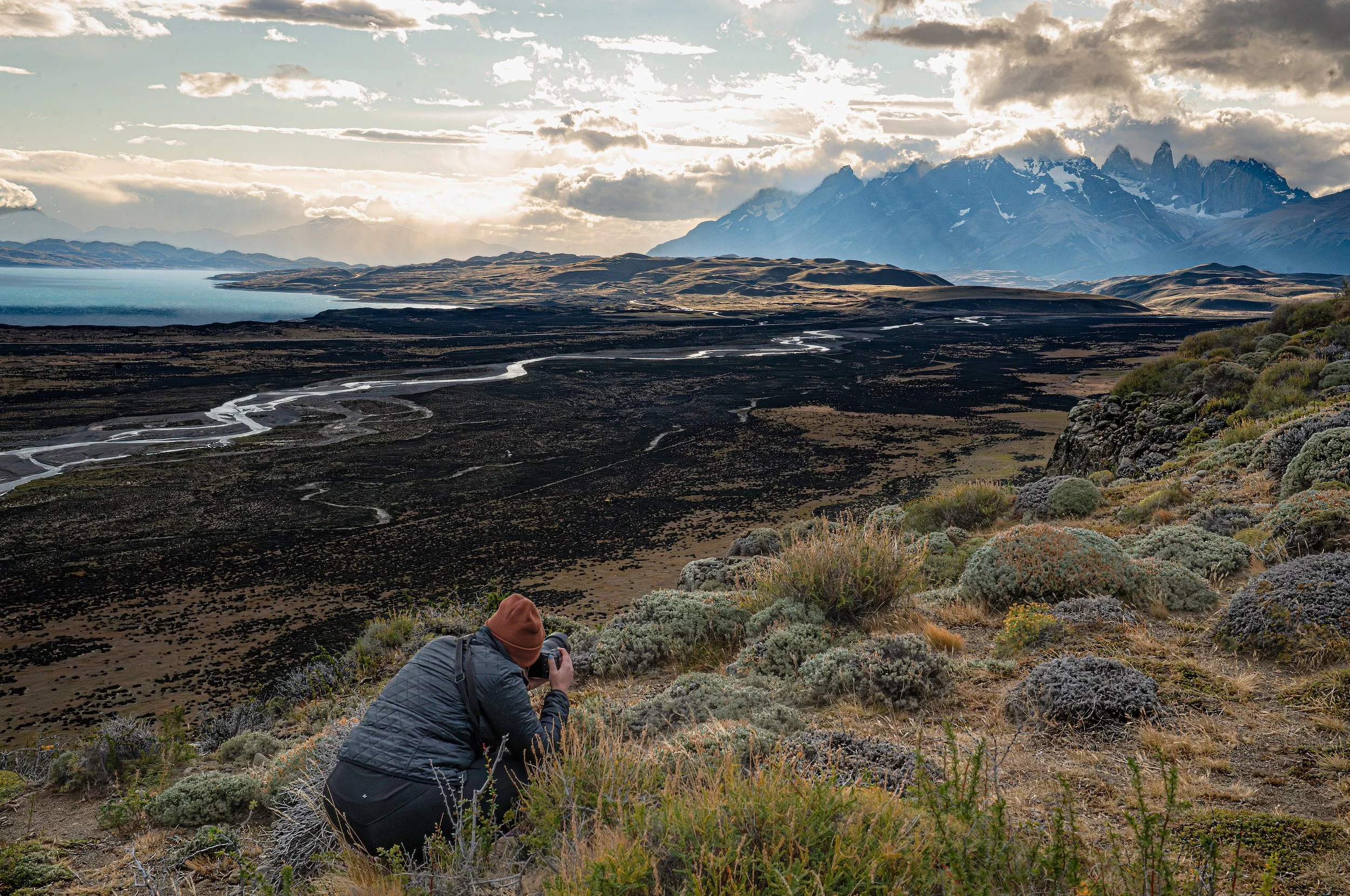
Behind the Scenes in Patagonia: Scouting a New Expedition
Ever wondered what it actually takes to build a new photography expedition? Long before guests arrive with cameras in hand, there’s a lot of dreaming, testing, questioning, and problem-solving that happens behind the scenes. In January, we travelled to Patagonia to do exactly that, scout a new itinerary focused on puma tracking.
Scouting isn’t about ticking boxes or rushing through highlights. It’s about understanding a place deeply enough to design an experience that feels intentional, exciting, and realistic.
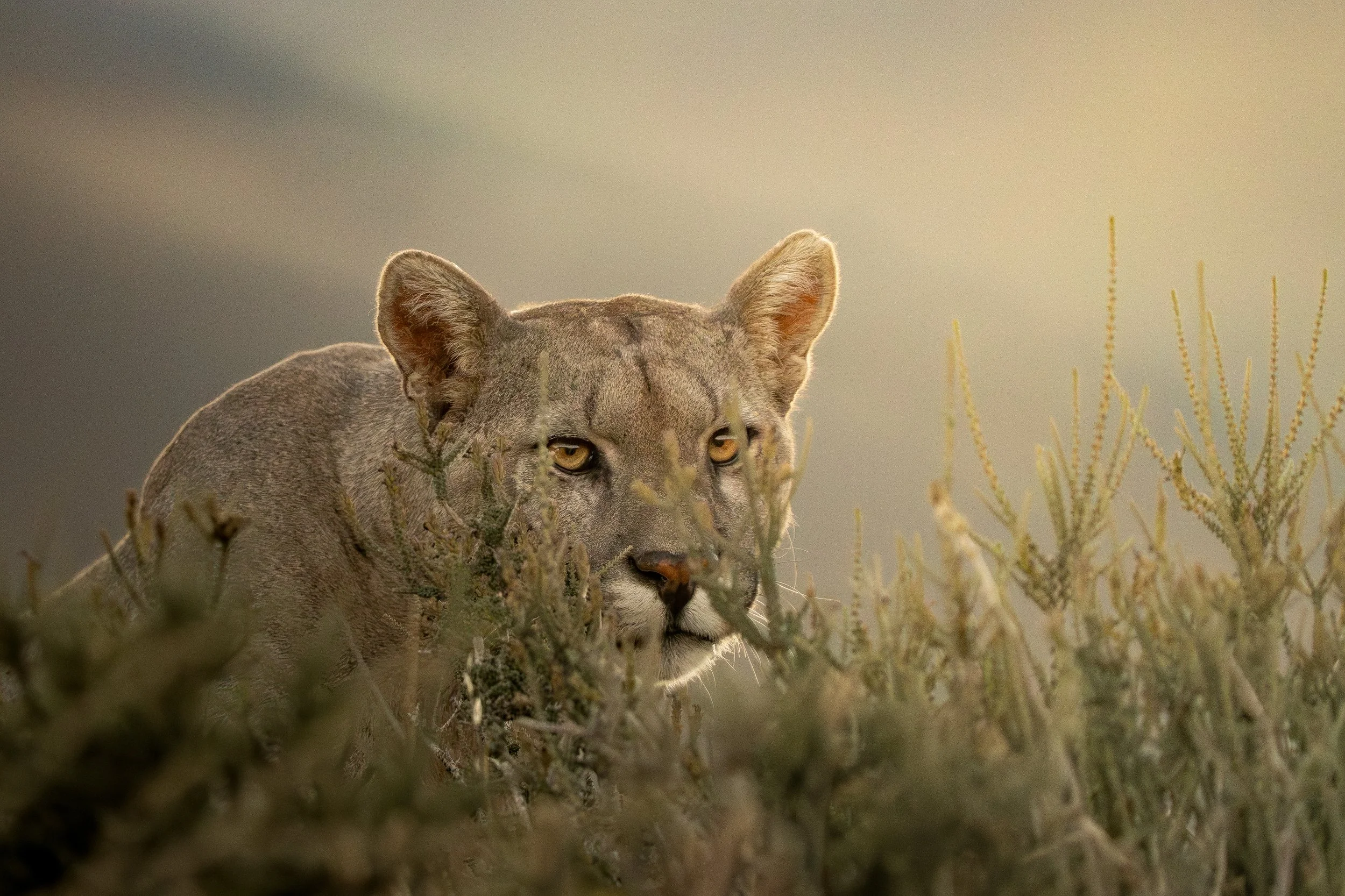
Step One: The Dream Phase
Every new trip starts the same way, with ideas. Lots of them.
This is where inspiration meets practicality. We ask ourselves whether there’s a story we can tell differently, a season that’s overlooked, or an experience that isn’t being done quite right. For Patagonia, we wanted to know: Could we build a puma-focused itinerary that felt immersive, ethical, and accessible?
We spend hours:
Researching seasons, wildlife behaviour, and travel logistics
Talking to friends and colleagues who’ve been there
Digging through maps, reports, and far too many browser tabs
It’s the phase where big dreams get their first reality check and where unique ideas begin to take shape.
Step Two: Building Local Connections
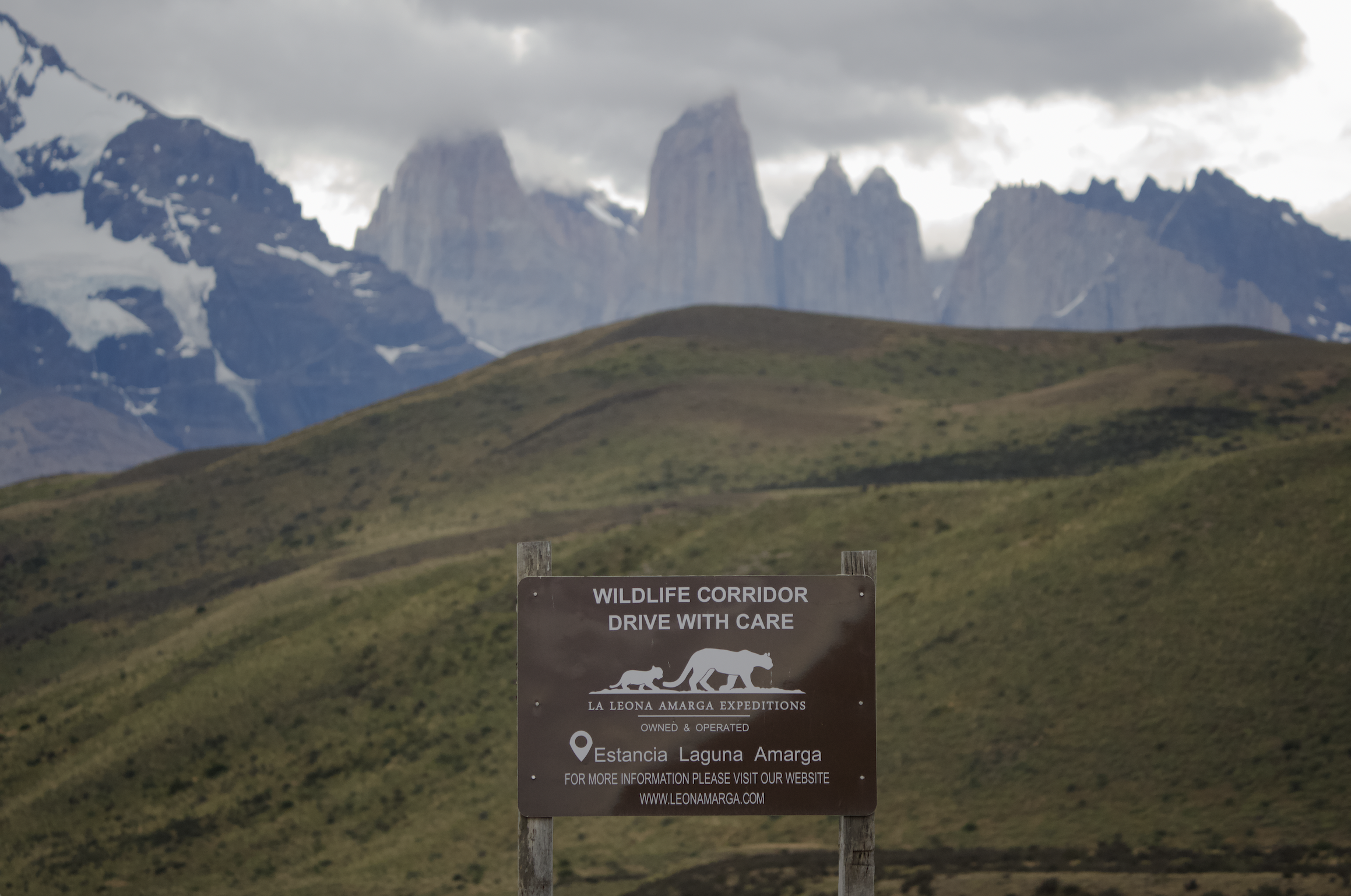
We thrive on working with local guides. They are the heartbeat of any great expedition. They know when the light is right, where the animals move, and how landscapes change hour by hour.
In Patagonia, that meant reaching out to trackers, lodge owners, and guides who work with pumas daily. We talked about:
Best times of year for sightings
Daily rhythms of puma activity
Group sizes, ethics, and access
Whether a partnership felt aligned on both sides
Local knowledge is what turns a good itinerary into an exceptional one.
Step Three: Logistics, Spreadsheets, and Reality Checks
This is where creativity meets organization. We start building the itinerary in detail. Early mornings, rest periods, travel times, meals, photography sessions, and backup plans.
Not everything makes the cut, and that’s intentional. Scouting is about finding out what doesn’t work as much as what does. It’s also the moment where excitement and stress coexist beautifully.
Step Four: Packing With Purpose
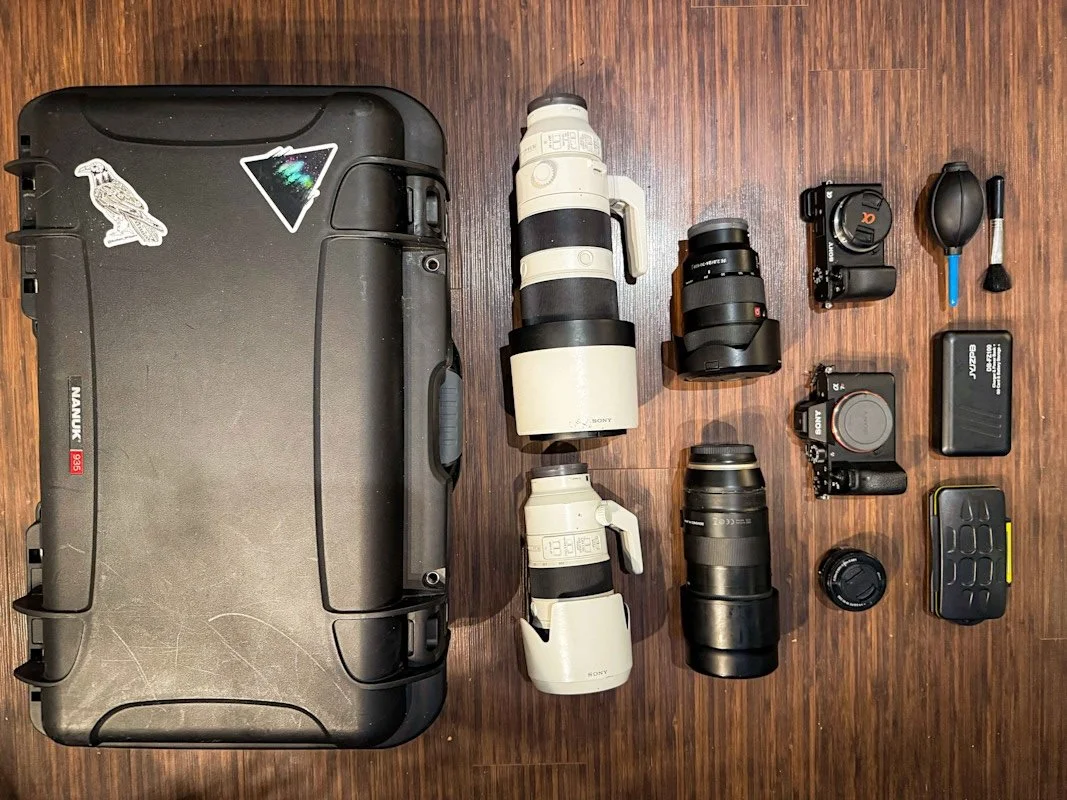
Scouting means packing like a guest, but thinking like a guide.
We track everything we bring:
Clothing layers for shifting Patagonian weather
Camera gear and support equipment
Binoculars, field tools, and personal essentials
We note what we used, what we didn’t, and what we wished we had. Every detail helps us refine future packing lists so guests arrive prepared and confident.
Step Five: The Actual Scouting
Then comes the most important part, actually doing the thing.
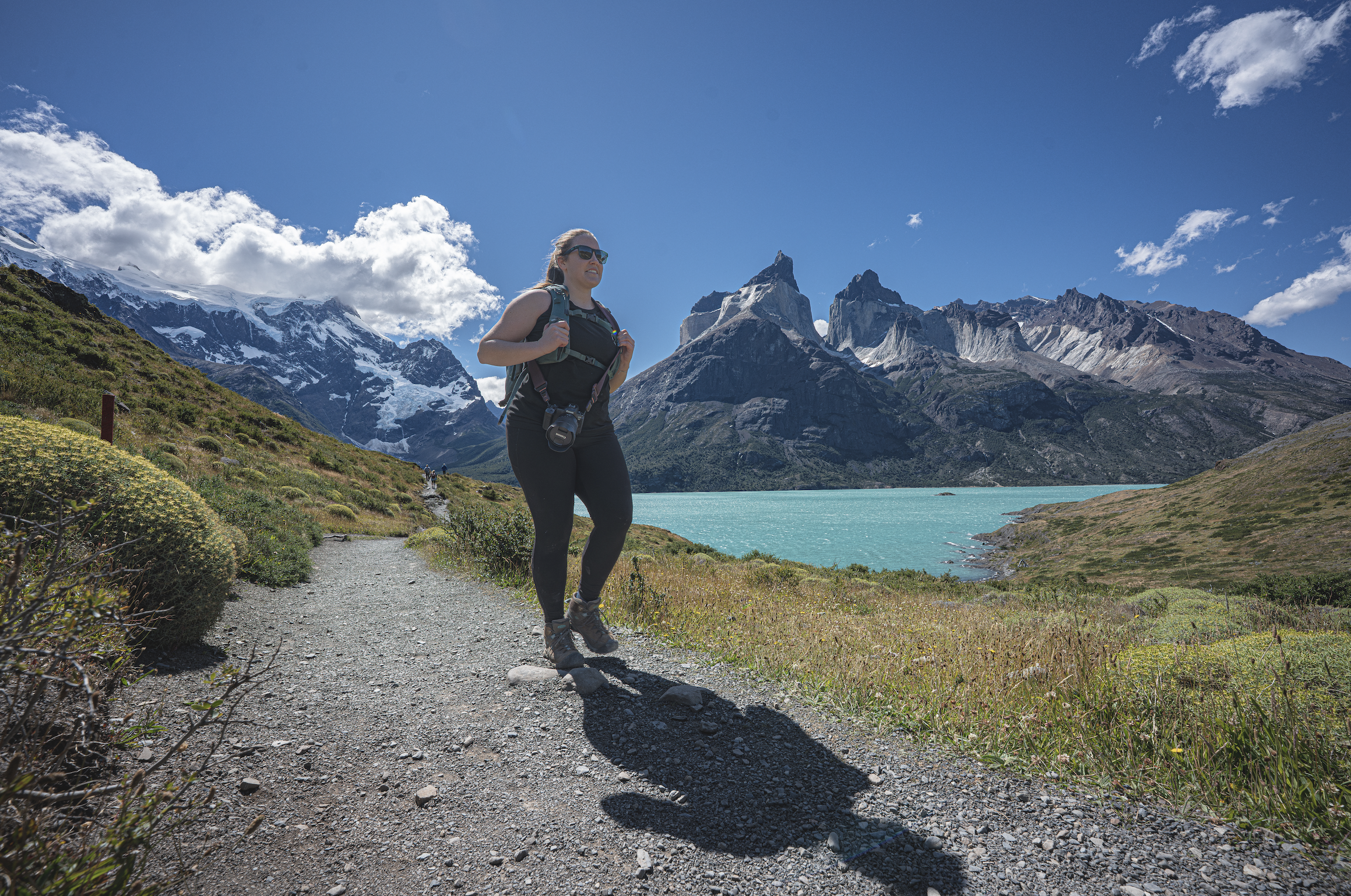
We tracked pumas alongside local experts, learning what the days truly feel like. How much hiking is involved? How close are sightings? When are the cats active? What other wildlife appears between moments?
We paid attention to our own energy levels, nutrition, rest, and pace. If it doesn’t feel sustainable for us, it won’t be sustainable for our guests.
And yes, unexpected lessons happened too. Dust in Patagonia made allergy medication suddenly essential.
Step Six: Refinement and Reflection
Once home, the work continues. We review images, test editing techniques, revisit notes, and reconnect with local partners. We adjust timelines, fine-tune expectations, and shape the final experience.
Only then do we share it, excited, confident, and ready for others to experience the magic we’ve carefully built.