
More Than a Destination: How Travel Reconnects Us to Nature
Modern life is built on routines. Screens, schedules, and familiar spaces shape our days, often leaving little room for stillness or curiosity about the natural world. Travel disrupts that pattern in the best possible way. When done intentionally, it removes us from the predictable and places us directly into landscapes that ask us to pay attention.
Connection to nature doesn’t happen all at once. It unfolds slowly, through movement, observation, and presence.
Stepping Outside the Routine
One of the most powerful ways travel reconnects us to nature is by interrupting our daily habits. Away from alarms and inboxes, the pace shifts. Days begin with light instead of notifications. Time is shaped by weather, tides, and wildlife rather than meetings.
This change creates space for awareness. You start noticing small details:
How temperature shifts with elevation
How wind carries sound differently across open land
How animals respond to time of day, not clocks
Being immersed in a new environment invites the body and mind to recalibrate.
Movement Through Landscape
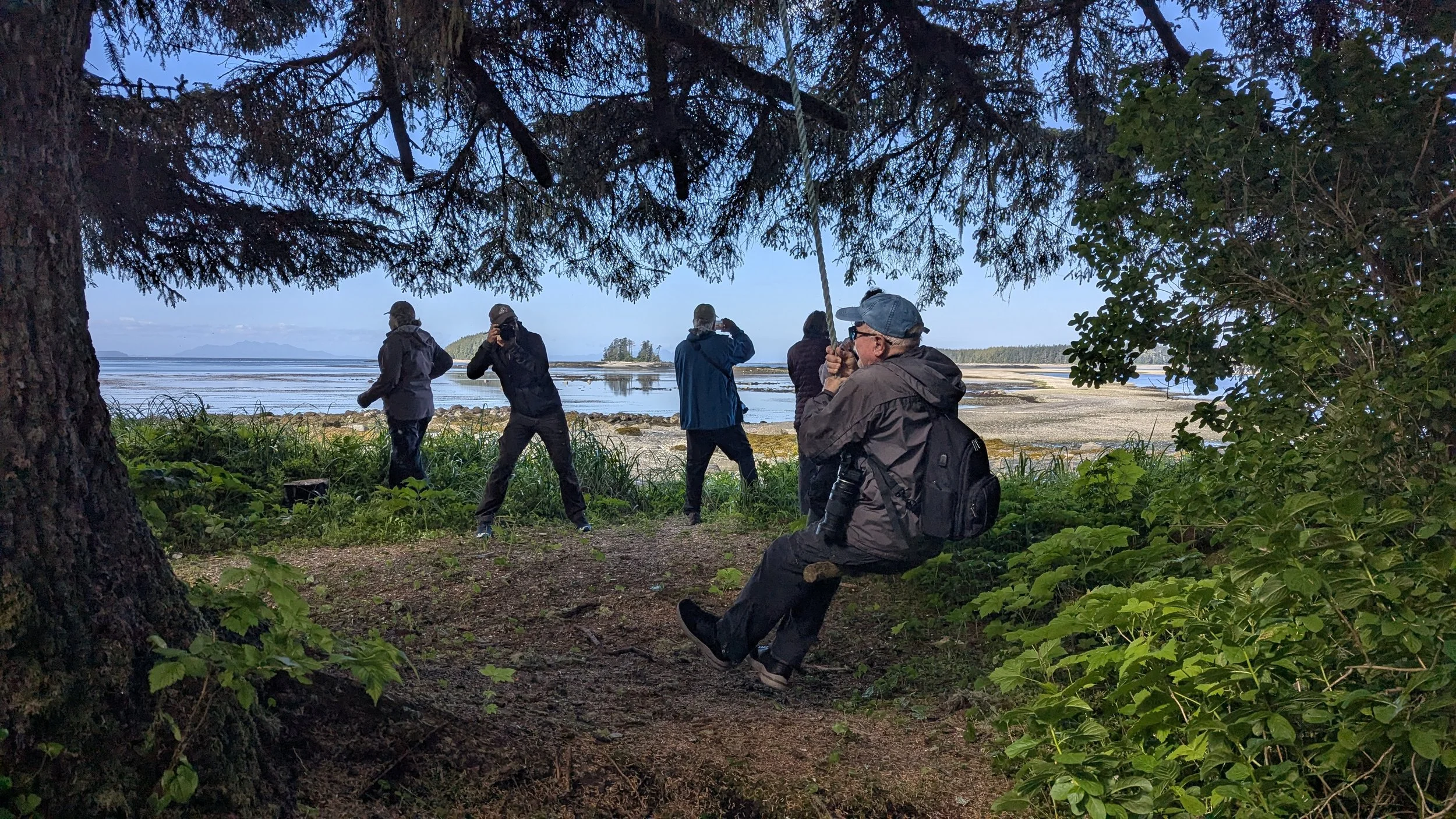
Travel often encourages physical engagement with the land. Hiking a trail, paddling a river, or walking a shoreline transforms nature from something observed into something experienced.
Movement reveals relationships:
How terrain shapes vegetation
Why animals choose certain paths
How water influences everything it touches
Physical effort deepens appreciation. A viewpoint earned through a climb carries a different weight than one seen from a roadside. The landscape becomes something you’ve felt, not just seen.
Wildlife as a Gateway to Understanding
Few experiences create connection as quickly as observing wildlife in its natural habitat. Seeing an animal where it belongs offers insight that no guidebook or documentary can fully replicate.
Wildlife tells stories:
A predator reveals the health of prey populations
Migration patterns reflect seasonal abundance
Behaviour signals environmental balance or imbalance
These encounters often spark curiosity. People want to know more about what they’ve seen, and that learning naturally extends to concern. When you understand how a species fits into an ecosystem, protecting it becomes personal.
Landscapes, Culture, and Interdependence
Travel also reveals how landscapes shape human life. Coastal cultures tied to tides and fisheries, mountain communities shaped by seasons and weather, or forest-based livelihoods rooted in regeneration all reflect deep interdependence.
Learning how people live with their environment fosters respect. Nature is no longer abstract. It is functional, cultural, and alive. These connections highlight a simple truth: ecosystems support life in ways that ripple far beyond their borders.
When Travel Becomes Purposeful
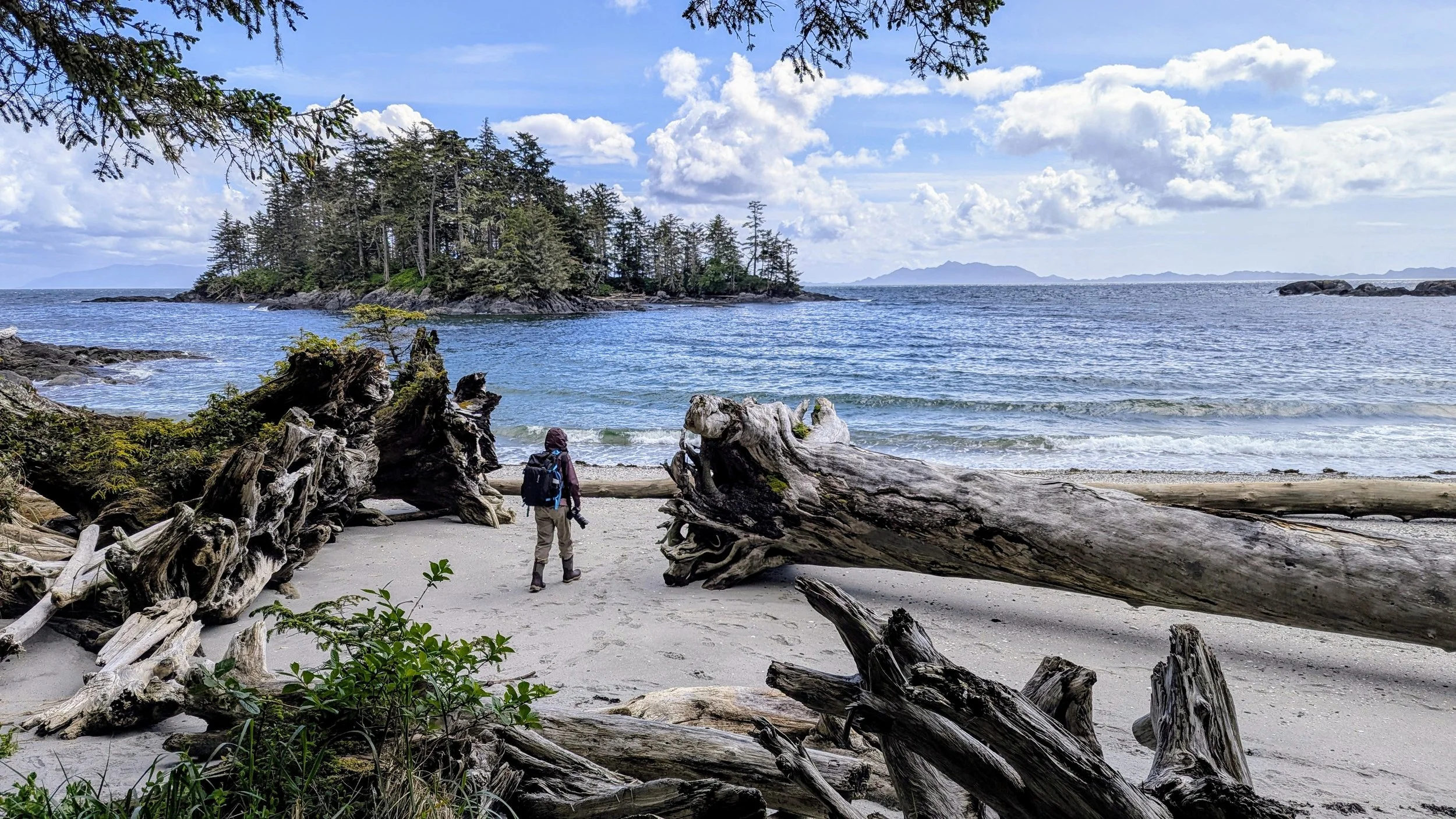
Travel becomes most powerful when it’s chosen with intention. Eco-tourism and conservation-focused experiences don’t just showcase nature, they support its protection. By engaging with ethical operators, local guides, and community-led initiatives, travel can actively contribute to conservation efforts.
Purposeful travel often leads to change:
A new awareness of environmental impact
Different choices about consumption and advocacy
A desire to continue learning and supporting causes encountered along the way
The journey doesn’t end when you return home.
What We Carry Back With Us
Impactful travel leaves traces. People return with more than photos, they bring perspective. Many find themselves slowing down, paying closer attention, and making decisions that reflect a deeper respect for the natural world.
Travel connects us to nature not by escaping reality, but by reshaping how we move through it. When landscapes, wildlife, and stories stay with us, they influence how we live long after the journey ends.
What ways have you changed after you have returned from impactful travel?